Category: Mindfulness

  • Tracking Knee Pain Progress Over 55: Why It Changes Everything

    Tracking Knee Pain Progress Over 55: Why It Changes Everything

    Curtis was ready to quit. Three weeks into walking and his knees still ached most mornings, so as far as he could tell, nothing was working. He felt the same as the day he started. That feeling, that you are pouring in effort and getting nowhere, is one of the most common reasons people stop.

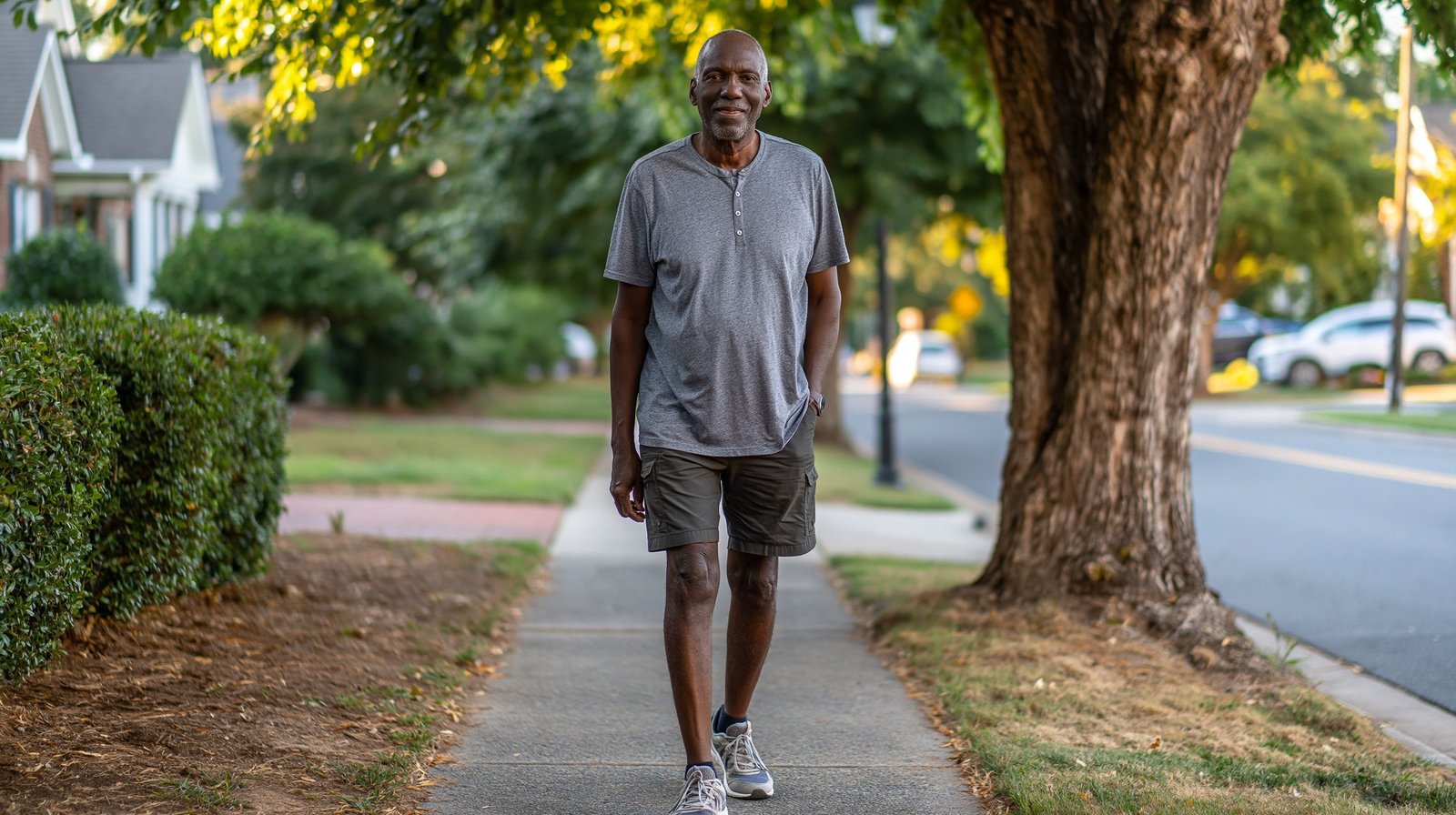
    Then I asked him to look back at the notes he had been keeping. Week one, he managed four minutes before he wanted to sit down. By week three, he was up to nine, and he had not even noticed. The ache was still there, but his body was doing more. He just could not feel it day to day, because day to day, progress is invisible. That is the quiet power of tracking knee pain progress over 55: it shows you the movement you cannot feel.

    Key Takeaway

    You often cannot feel slow progress, which is why so many people quit too soon. For older adults living with ongoing joint pain, self-monitoring and goal-setting are among the strongest tools for staying with a routine (Söderlund & von Heideken Wågert, 2021). Simple activity tracking helps older adults stay engaged and motivated over time (Estorff et al., 2026). And seeing your own progress builds the belief that keeps you going, the self-efficacy that drives whether people stay active.

    Here is what the rest of the post covers. You will see why your own progress is so hard to see, how tracking knee pain progress over 55 keeps you moving, what is worth tracking, what a no-zero days approach looks like, and how to keep it up.

    Ready to Find Out What Your Body Can Do?

    It takes less than 3 minutes. No gym. No equipment. Just a simple test that shows you if your body can do more than it’s been telling you.

    Take the 3-Minute Walk Test

    M3 is a behavioral wellness coaching program. It is not medical treatment and does not replace advice from your physician. Consult your doctor before beginning any new movement or nutrition program.

    Why is it so hard to see your own progress with knee pain over 55?

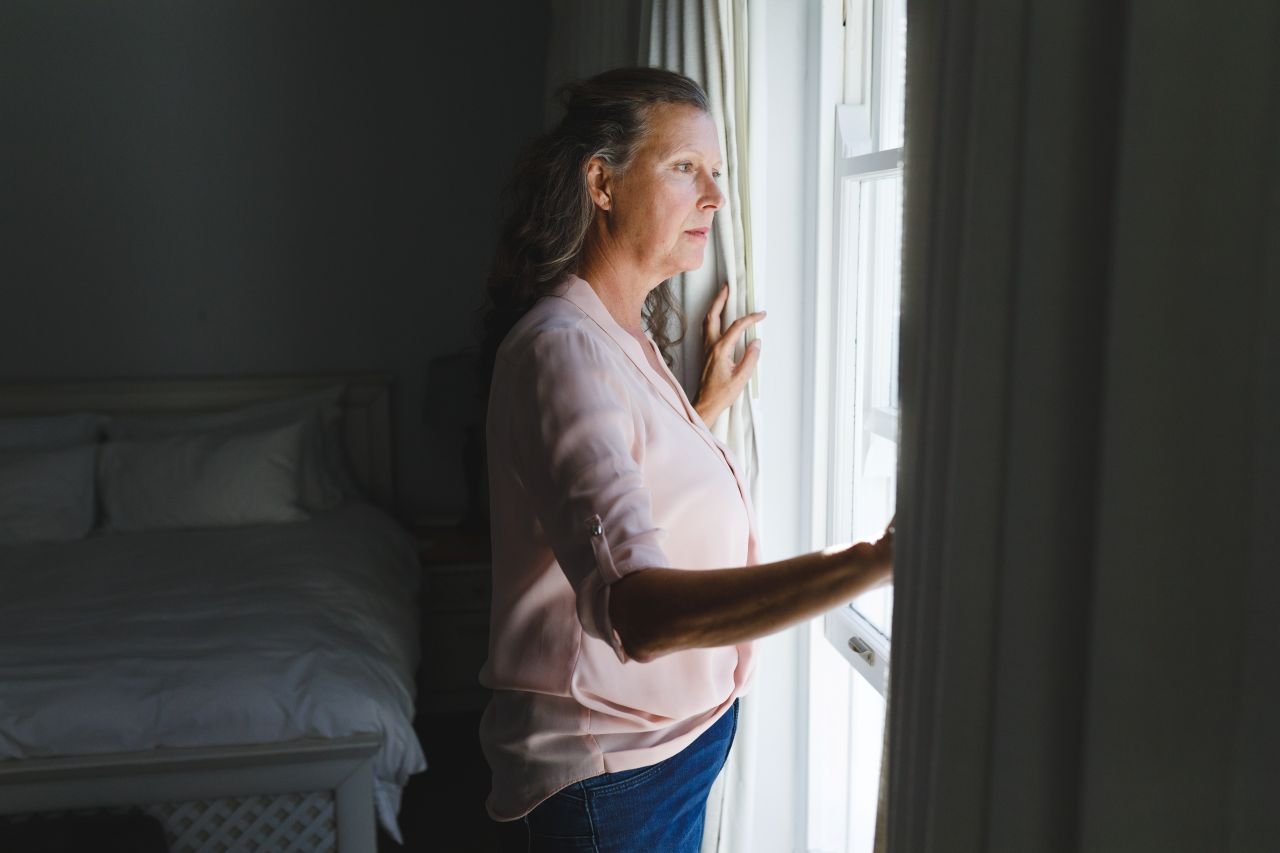
    Woman over 55 reflecting on why tracking knee pain progress over 55 is hard to see day to day

    Because the thing you feel every day and the thing that is actually changing are not the same. Pain is loud, and it swings around. A bad night’s sleep, the weather, how much you did yesterday, all of it moves the dial, so on any given morning, your knees might feel worse even while your body is getting stronger underneath. You are reading a noisy signal and calling it the score.

    Real progress, on the other hand, is slow and quiet. You do not feel yourself going from four minutes to nine the way Curtis did. It happens in increments too small to notice from inside your own day. That is exactly why tracking knee pain progress over 55 works so well: a written record holds the slow, true signal that your memory and your mood keep drowning out. Memory is a terrible measuring tool here. It remembers this morning’s ache, not last month’s starting line.

    How does tracking knee pain progress over 55 keep you moving?

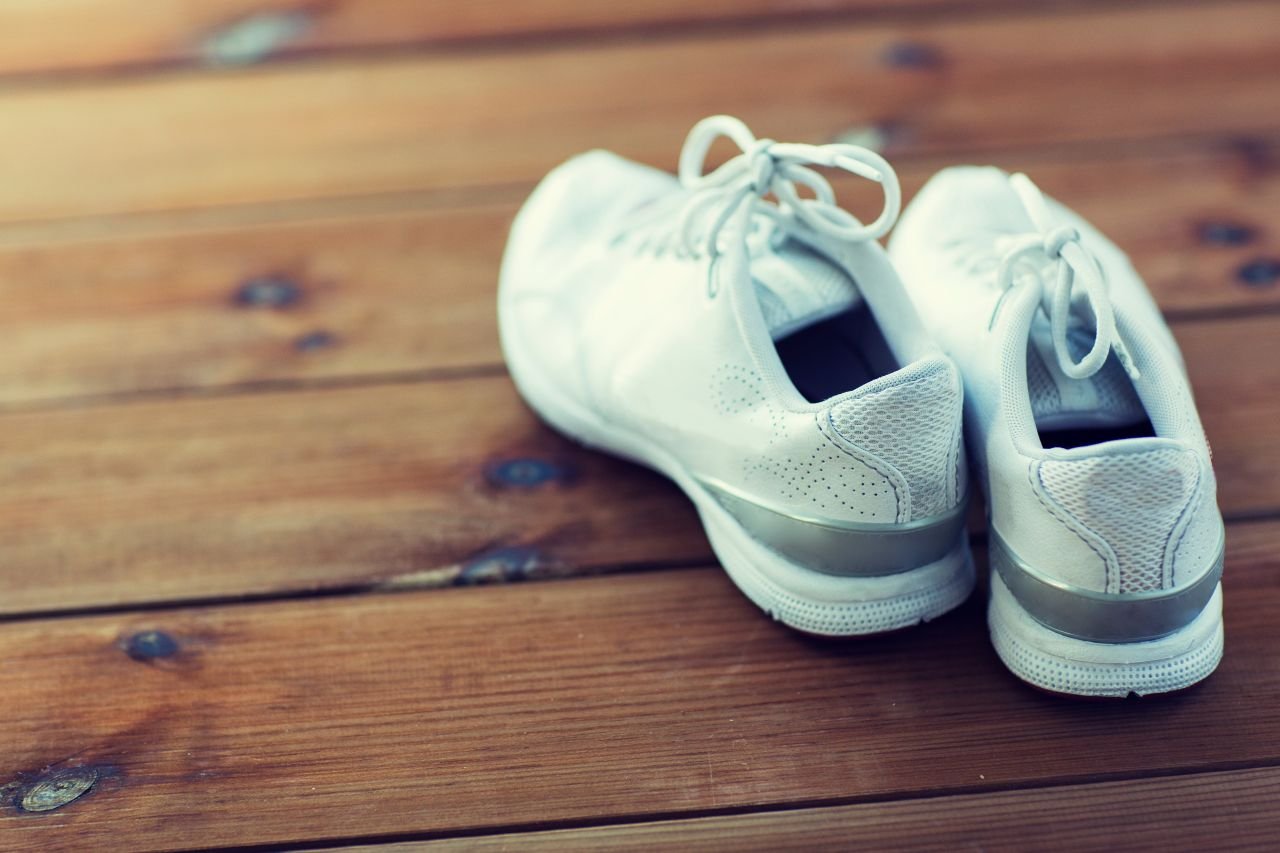
    A notebook and walking shoes showing how tracking knee pain progress over 55 keeps you moving

    It keeps you moving by turning effort you cannot feel into proof you can see, and proof is what fuels motivation. When the record shows you walked a little longer this week than last, your brain gets the reward the aching knees were hiding. That visible win makes you more likely to lace up tomorrow. In older adults living with ongoing joint pain, self-monitoring and goal-setting are consistently among the most effective tools for sticking with a routine over the long haul (Söderlund & von Heideken Wågert, 2021).

    There is a second thing happening underneath. Every time you log a walk and see the line move, you build a little more belief that you can do this, and that belief is the engine of staying active (Estorff et al., 2026). Tracking knee pain progress over 55 is really a confidence machine in disguise. The mental side carries more weight than most people expect, which is why the right mindset for walking with knee pain and a simple record work so well together.

    What should you track, and what should you leave alone?

    Man over 55 noting his walk while tracking knee pain progress over 55 by behavior not pain score

    Track what you did and what you can do, not how much it hurt. The most useful things to write down are simple: did you take your walk, how long it lasted, and how the movement felt on a rough scale like easy, okay, or tough. Those tell you whether your capability is growing. This is the heart of tracking knee pain progress over 55: you are measuring the thing you can actually change. A walking study found that people who set small, concrete step goals and tracked them made real gains in what they could do day to day (Ho et al., 2024).

    Here is what to leave alone: a daily pain score. It feels like the obvious number to chase, but it is the worst one to live by. Pain bounces around for reasons that have nothing to do with your progress, so a single rough morning can read like failure and send you backward.

    Watch what your body can do over weeks instead. Can you walk a few minutes longer than last month? Can you manage the stairs with less hesitation? That is the scoreboard that tells the truth.

    What is a “no zero days” approach to tracking knee pain progress over 55?
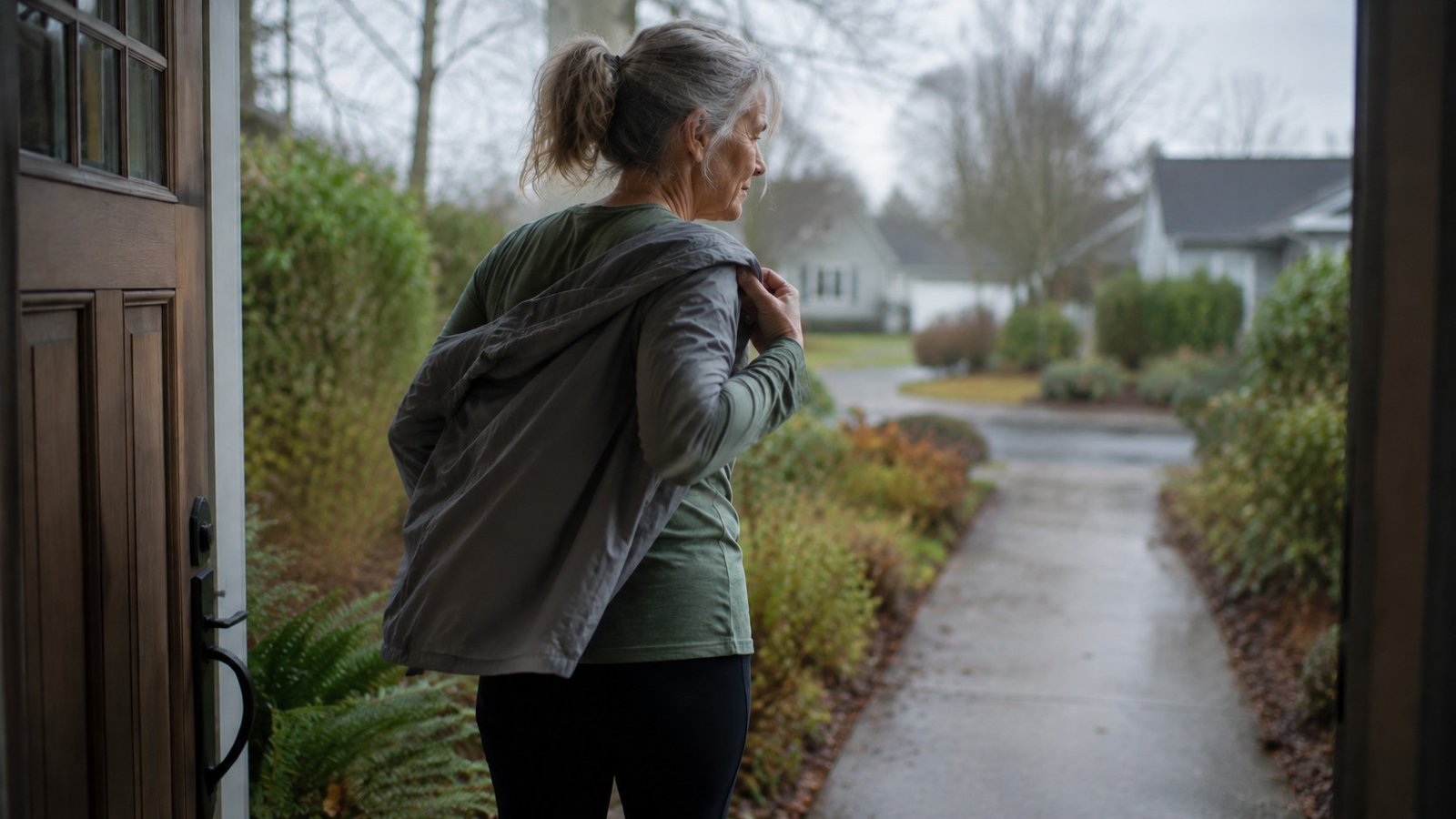
    Woman over 55 heading out for a short walk, a no zero days habit for tracking knee pain progress over 55

    A zero day is a day you did nothing toward your goal. The no-zero days idea is simple: try not to let two of them stack up in a row. It is not about a perfect streak or punishing yourself when life gets in the way. It is about keeping the thread from breaking, because once a day off becomes a week off, getting started again is the hardest part.

    On a rough day, the bar drops as low as it needs to. A two-minute walk to the mailbox counts, and so does a few gentle stretches or just standing up and moving through the kitchen. The point is that you did something and you wrote it down, which keeps your identity as someone who is still in this.

    Research on older adults pairs this kind of small, trackable action with personal coaching and finds it helps people stay with a routine (Larsen et al., 2021). Tracking knee pain progress over 55 with a no-zero days mindset works because it makes the daily decision tiny. Not “do I do my whole walk,” just “do I do one small thing.” That is a question almost anyone can say yes to.

    How do you keep tracking knee pain progress over 55 without burning out on it?

    A simple notebook and walking shoes showing a light daily habit for tracking knee pain progress over 55

    Keep it small enough that you never dread it. The most common way tracking fails is that people turn it into a project: charts, columns, a daily pain diary they grow to resent. Then they quit the tracking, and soon after, the walking. A tracker or a log only helps for as long as the habit of using it survives, and the research is honest that logging on its own tends to fade unless something keeps it meaningful (Estorff et al., 2026).

    So strip it down. One or two things, ten seconds a day, is plenty: the walk you did and how it felt. Pair the record with a reason that matters to you, like being able to get down on the floor with a grandchild and back up again, so the log points at something bigger than itself. When tracking knee pain progress over 55 stays light and tied to a real why, it stops being a chore and becomes a quiet daily nudge. The goal was never to become a record keeper. It was to keep walking, and to have proof on the hard days that you are.

    Wrap-up: tracking knee pain progress over 55

    So what changed for Curtis? Nothing about his knees, at first. What changed was that he could finally see the progress his body was making, and that kept him from quitting. The notes did what his memory could not.

    Three honest things are worth carrying. You usually cannot feel slow progress, so without a record, you may sell yourself short and stop too soon. Track what you can do, not how much it hurts, because capability tells the truth a daily pain score hides. And keep it small, because a ten-second log you actually keep beats a detailed system you abandon.

    The goal was never to become a record keeper. It was to walk 30 minutes comfortably and get through your day without dreading the next step. Tracking knee pain progress over 55 is one part of the mental side of staying active, and it works best when movement and meals move with it. The complete guide to knee pain relief for adults over 55 puts all three together. Curtis still keeps his notes. Nine minutes became twenty without him ever feeling the climb.

    Ready to Find Out What Your Body Can Do?

    It takes less than 3 minutes. No gym. No equipment. Just a simple test that shows you if your body can do more than it’s been telling you.

    Take the 3-Minute Walk Test

    M3 is a behavioral wellness coaching program. It is not medical treatment and does not replace advice from your physician. Consult your doctor before beginning any new movement or nutrition program.

    Frequently Asked Questions

    Should you keep a pain diary if you have knee arthritis?

    A daily pain diary is usually not the most helpful thing to track. Pain naturally swings from day to day based on sleep, weather, and activity, so a daily score can make a good stretch look like failure and discourage you. Tracking what you can do, like how long you walked and how it felt, gives a truer picture of progress. Save detailed pain notes for spotting big patterns or sharing with your doctor.

    How often should you track your walking progress?

    Once a day, right after your walk, is plenty for most people, and it only needs to take a few seconds. The point is to capture what you did while it is fresh, not to build a detailed log. If daily feels like too much, a few times a week still shows the trend over time. Consistency matters more than detail, so pick a rhythm light enough that you will actually keep it.

    Do you need an app or fitness tracker to track knee pain progress over 55?

    No, you do not need any device. A simple notebook or the notes app on your phone works just as well, and for many people, it is easier to stick with. What matters is that you record a couple of basics consistently, like the time you walked and how it felt. A fitness tracker can help if you enjoy the step count, but the tool is far less important than the habit.

    How long does it take to see progress with knee pain over 55?

    Most people start to see small, encouraging changes within two to three weeks of consistent walking, such as going a little longer or recovering faster afterward. Bigger gains build over a couple of months. Progress is rarely a straight line, so a flat or rough week does not mean it stopped. A written record is what lets you spot the slow upward trend you cannot feel day to day.

    What should you do when your tracking shows no progress?

    First, look at the right time frame. A few days tell you almost nothing, so compare this month to last month instead. If there is still no movement after several weeks, the plan may need a small adjustment, like shorter and more frequent walks, more rest between them, or a gentler pace. No progress is information, not failure. It points you toward what to change rather than telling you to quit.

    Is it normal to feel like you are not improving even when you are?

    Yes, this is very common, and it is one of the main reasons people give up too early. Slow progress happens in increments too small to feel from inside your own day, while pain stays loud and grabs your attention. So it can feel like nothing is changing even as your body grows stronger. That gap between how you feel and what is real is exactly why a written record helps so much.

    References

    Estorff, I., Ebert, B., Fischer, F. L., Ratzlaff, L., Wagner, P., & Schoene, D. (2026). Efficacy of activity tracker-based interventions and their behavioral components in promoting physical activity and reducing sedentary behavior in older adults: A systematic review of randomized controlled trials. European Review of Aging and Physical Activity, 23, 1. https://doi.org/10.1186/s11556-025-00396-5

    Ho, M.-H., Peng, C.-Y., Liao, Y., & Yen, H.-Y. (2024). Efficacy of a wearable activity tracker with step-by-step goal-setting on older adults’ physical activity and sarcopenia indicators: Clustered trial. Journal of Medical Internet Research, 26, e60183. https://doi.org/10.2196/60183

    Larsen, R. T., Christensen, J., Juhl, C. B., Andersen, H. B., & Langberg, H. (2021). The MIPAM trial: Motivational interviewing and physical activity monitoring to enhance the daily level of physical activity among older adults: A randomized controlled trial. European Review of Aging and Physical Activity, 18, 14. https://doi.org/10.1186/s11556-021-00269-7

    Söderlund, A., & von Heideken Wågert, P. (2021). Adherence to and the maintenance of self-management behaviour in older people with musculoskeletal pain: A scoping review and theoretical models. Journal of Clinical Medicine, 10(2), 303. https://doi.org/10.3390/jcm10020303

    Kononova, A., Li, L., Kamp, K., Bowen, M., Rikard, R., Cotten, S., & Peng, W. (2019). The Use of Wearable Activity Trackers Among Older Adults: Focus Group Study of Tracker Perceptions, Motivators, and Barriers in the Maintenance Stage of Behavior Change. JMIR MHealth and UHealth, 7(4), e9832. https://doi.org/10.2196/mhealth.9832

  • Mindset for Walking With Knee Pain: What the Research Shows

    Mindset for Walking With Knee Pain: What the Research Shows

    Thomas tracked his knee pain for two months before his first session. He recorded everything: worst days, best days, what he had eaten, how far he had walked. What he had not recorded was how he had felt about walking before going out. That turned out to be the variable that mattered most.

    The research on mindset for walking with knee pain is more specific than most adults expect. In a study of 1,018 adults with knee OA, positive affect predicted more daily steps, and those with depressive symptoms walked significantly less. The researchers concluded that positive affect itself, not just the absence of depression, should be actively promoted to support walking consistency (White et al., 2012).

    Key Takeaway

    Among 1,018 adults with knee OA, positive affect predicted more daily steps, and depressive symptoms predicted fewer. Positive affect itself, not just the absence of depression, mattered (White et al., 2012). In 143 older knee OA adults, morning catastrophizing predicted less physical activity and more sedentary behavior that same day (Zhaoyang et al., 2020).

    This post covers what the research shows about mindset for walking with knee pain, how pain catastrophizing creates a walking spiral, what self-efficacy has to do with it, and the P.I.S.T.™ technique for getting out the door.

    Ready to Find Out What Your Body Can Do?

    It takes less than 3 minutes. No gym. No equipment. Just a simple test that shows you if your body can do more than it’s been telling you.

    Take the 3-Minute Walk Test

    M3 is a behavioral wellness coaching program. It is not medical treatment and does not replace advice from your physician. Consult your doctor before beginning any new movement or nutrition program.

    Does the mindset for walking with knee pain predict daily steps?

    Adult man over 55 at a kitchen table in the morning with a journal reflecting on his mindset for walking with knee pain before starting the day.

    More reliably than most adults realize, and in a specific direction, the research makes clear.

    The Multicenter Osteoarthritis Study measured daily steps in 1,018 adults with radiographic knee OA using a monitor worn over seven days. Those with depressive symptoms walked significantly fewer steps than both other groups. Those with high positive affect walked more. The difference held after controlling for pain severity, BMI, age, and comorbidities (White et al., 2012).

    The researchers drew a specific conclusion: the absence of depressive symptoms alone was not enough to support daily walking. Positive affect, the presence of upbeat and engaged emotional states rather than just the absence of low ones, needed to be actively considered.

    For adults who track pain but not mood, this is the variable Thomas had not written down. The emotional side of chronic knee pain is well documented. What the research adds is that the mindset for walking with knee pain on any given morning predicts how many steps happen that day.

    What is pain catastrophizing, and how does it affect walking?

    Walking shoes beside a front door in morning light representing the moment of hesitation that pain catastrophizing creates for adults walking with knee pain.

    Catastrophizing is worst-case thinking about pain before it happens. Not “this walk might be hard” but “this walk will hurt badly and make everything worse.” It is a cognitive pattern, not a character flaw, and its behavioral effects are documented in knee OA research.

    In 143 older adults with knee OA, researchers used daily diaries and accelerometers over 22 days. On mornings when participants catastrophized more than usual, they spent more time sedentary and fewer minutes walking that day. More sedentary behavior then predicted greater catastrophizing the following morning, which predicted less movement again (Zhaoyang et al., 2020). A two-day compounding loop, documented in real time.

    Thomas’s pain log could not capture this. His scores told him how his knee felt. They did not tell him what he was telling himself about the day ahead. Mindset for walking with knee pain is not a vague concept. It is a measurable variable with a documented behavioral consequence.

    Why does self-efficacy matter more than pain intensity for walking?

    Adult woman over 55 standing ready at outdoor steps showing the self-efficacy and confidence that supports mindset for walking with knee pain.
Filename: mindset-for-walking-with-knee-pain-self-efficacy.jpg

    Because pain intensity is hard to change on a given morning. Self-efficacy is not.

    Self-efficacy, in the context of walking with knee pain, is the confidence that you can take a specific action despite discomfort. Not that the walk will be pain-free. That you can manage it regardless of how the knee feels when you start.

    A 2026 study found that pain self-efficacy mediates the relationship between catastrophizing and physical function in adults with chronic knee OA. Mediation means self-efficacy is the pathway: catastrophizing reduces self-efficacy, and reduced self-efficacy is how catastrophizing impairs function (Patel et al., 2026). The inverse holds too. Building self-efficacy can break that pathway.

    Self-efficacy is modifiable. Pain intensity on a difficult morning is not always within reach. The internal narrative that shapes confidence for a specific walk is.

    Adults who wonder whether knee pain will go away on its own are often asking a self-efficacy question. Mindset for walking with knee pain is where that question gets a practical answer.

    What is P.I.S.T.™, and how does it apply to walking with knee pain?

    Adult man over 55 writing in a notebook at a kitchen table representing the P.I.S.T. self-talk practice that supports mindset for walking with knee pain.

    P.I.S.T.™ stands for Positive Instructional Self-Talk. It is a technique I developed for the M3 program and use with every client who hits the hesitation point — wait, that’s an em dash. Starting the sentence over.

    P.I.S.T.™ stands for Positive Instructional Self-Talk. It is a technique I developed for M3 and use with every client who reaches the hesitation point before a walk.

    It is not generic positivity. Generic positivity does not target self-efficacy, which research identifies as the specific variable between catastrophizing and reduced function in knee OA adults. P.I.S.T.™ does. It replaces the open-ended question, “Will I go today?” with a specific, actionable instruction set in advance.

    The format: “When X happens, I will do Y.” One condition. One action. No deliberation at the moment it counts.

    For the mindset for walking with knee pain, the version I use most often with M3 clients is: “When I miss a walk, I will practice meals or mindfulness.” Not punishment. A planned redirect that keeps the behavioral loop intact even on days when the walk does not happen.

    P.I.S.T.™ targets the self-efficacy lever before the first step, when catastrophizing has the most influence over whether the walk starts at all.— before the first step, when catastrophizing has the most influence over whether the walk starts at all. Mindset for walking with knee pain needs a specific tool at that moment. P.I.S.T.™ is that tool.

    How do you build a mindset for walking with knee pain consistently?

    Open notebook with checkmarks on a table representing the daily feel-check practice that builds mindset for walking with knee pain over time.

    By generating evidence your body can act on.

    Self-efficacy is not built through motivation. It is built through completed actions that prove a specific task is manageable. Each short walk that finishes with a feel-check of better or the same adds one data point to the case that walking is safe to do.

    That evidence accumulates. Three walks that finish better than they started shift the internal narrative from “this will hurt” toward “I can manage this.” P.I.S.T.™ reduces the activation energy to start the first one. The feel-check builds self-efficacy after. Positive affect follows from completed walks, not from deciding to feel good.

    The loop runs in both directions. Catastrophizing compounds toward inactivity. Completed walks compound toward capacity. How to walk with bad knees covers the physical starting point. Mindset for walking with knee pain is what makes that starting point accessible on the days when hesitation is loudest.

    The goal is walking 30 minutes. This is how the foundation gets built, one completed walk at a time.

    Wrap-up: Mindset for walking with knee pain

    Thomas eventually added one more column to his log: how he felt about the walk before going out. The entries got more useful after that.

    Positive affect predicts more daily steps in knee OA adults. Catastrophizing predicts fewer and compounds across days. Self-efficacy is the variable between the two, and it is modifiable. P.I.S.T.™ is the tool that targets it at the moment the walk either happens or does not.

    The goal is walking 30 minutes. Mindset for walking with knee pain is not a soft add-on. It is one of the three pillars that build the consistency to get there.

    Mindset for walking with knee pain is one piece of a larger picture. The complete guide to knee pain relief for adults over 55 covers the full three-pillar approach.

    Ready to Find Out What Your Body Can Do?

    It takes less than 3 minutes. No gym. No equipment. Just a simple test that shows you if your body can do more than it’s been telling you.

    Take the 3-Minute Walk Test

    M3 is a behavioral wellness coaching program. It is not medical treatment and does not replace advice from your physician. Consult your doctor before beginning any new movement or nutrition program.

    Frequently Asked Questions

    Is there a difference between positive thinking and mindset for walking with knee pain?

    The difference is specificity. Generic positive thinking does not target self-efficacy for a particular action. Mindset for walking with knee pain, as the research uses the term, means building confidence for a specific walking task on a specific day. P.I.S.T.™ is a pre-planned instruction for a known hesitation moment. Generic positivity is not.

    What is pain catastrophizing in plain terms?

    It is assuming the worst about how a walk will feel before taking it. Common examples: “My knee will hurt too much” or “I will make it worse.” These thoughts are not always conscious and often appear as general reluctance rather than specific fear. Catastrophizing is a recognized cognitive pattern with documented effects on physical activity levels in older adults with knee OA.
    Word count: 62. Budget: 4

    Can you maintain a mindset for walking with knee pain on a bad pain day?

    Mindset for walking with knee pain does not mean ignoring pain. It means having a pre-set response to the hesitation pain triggers. On a bad day, P.I.S.T.™ might redirect to a two-minute walk instead of ten, or to a mindfulness practice instead of a walk. The goal is not to override pain. It is to keep the behavioral loop intact regardless of pain level.

    What does self-efficacy mean in practical terms for knee pain?

    Self-efficacy for walking with knee pain means the confidence that you can start and complete a specific walk on a given day, regardless of how your knee feels when you begin. It is not a fixed trait. It is rebuilt each time a walk is completed and a feel-check of better or same is recorded. Small walks consistently finished are the fastest way to build it.

    Does support from others help the mindset for walking with knee pain?

    Yes. Social support, including working with a coach, is associated with better physical activity adherence in older adults with knee pain. Having someone who knows your baseline, sets expectations realistically, and keeps the behavioral loop intact on difficult days reduces the cognitive load of deciding whether to go. Mindset for walking with knee pain is more sustainable when it is not built alone.

    How do you know if catastrophizing is affecting your walking?

    One signal is the amount of deliberation before going out. If deciding whether to start requires significant mental negotiation on most mornings, catastrophizing is likely present. Another signal: if actual pain during a walk is consistently milder than anticipated, that gap is the catastrophizing. Tracking predicted versus actual pain for one week often makes the pattern clear and is the first step toward building a better mindset for walking with knee pain.

    References

    Patel, R. M., Broekman, M., Anderson, B. L., Ramtin, S., & Bartholomew, J. B. (2026). Pain self-efficacy mediates the relationship between pain catastrophizing and physical function in people with knee osteoarthritis. JOSPT Open. Advance online publication. https://doi.org/10.2519/josptopen.2026.0168

    White, D. K., Keysor, J. J., Neogi, T., Felson, D. T., LaValley, M., Gross, K. D., Niu, J., Nevitt, M., Lewis, C. E., Torner, J., & Fredman, L. (2012). When it hurts, a positive attitude may help: Association of positive affect with daily walking in knee osteoarthritis. Results from a multicenter longitudinal cohort study. Arthritis Care & Research, 64(9), 1312–1319. https://doi.org/10.1002/acr.21694

    Zhaoyang, R., Martire, L. M., & Darnall, B. D. (2020). Daily pain catastrophizing predicts less physical activity and more sedentary behavior in older adults with osteoarthritis. Pain, 161(9), 2156–2165. https://doi.org/10.1097/j.pain.0000000000001959

  • Will Knee Pain Go Away on Its Own? The Truth for Adults Over 55

    Will Knee Pain Go Away on Its Own? The Truth for Adults Over 55

    Will knee pain go away on its own? That is the question John called me with eight months after his knee pain started. He had managed to keep it together through the doctor visits, the exercises, and the nights he lay awake with the ache. But what he really wanted to know, the question he had been sitting with for months, was whether this was just his life now.

    For most adults over 55 with osteoarthritis, the honest answer is no. Knee pain from a degenerative condition does not typically resolve without the right approach. But that is only half the answer. The other half matters more.

    Key Takeaways

    Chronic knee pain affects one in four adults aged 55 and older, with osteoarthritis as the commonest diagnosis (Mallen & Peat, 2007). In 514 adults with knee OA, those with higher self-efficacy and more positive outcome expectations were significantly more active at 3 and 6 months (Quicke et al., 2017). What you believe about your body shapes what it does.

    This post covers why knee pain tends to stick around, how your mindset shapes your outcomes, and a better question to ask than will knee pain go away on its own.

    Ready to Find Out What Your Body Can Do?

    It takes less than 3 minutes. No gym. No equipment. Just a simple test that shows you if your body can do more than it’s been telling you.

    Take the 3-Minute Walk Test

    M3 is a behavioral wellness coaching program. It is not medical treatment and does not replace advice from your physician. Consult your doctor before beginning any new movement or nutrition program.

    Will knee pain go away on its own for most adults over 55?

    Adult woman over 55 sitting quietly at home wondering will knee pain go away on its own or persist with osteoarthritis.

    For most adults over 55 with osteoarthritis, the answer is no. Not without a change in approach.

    Chronic knee pain affects one in four people aged 55 and older, and osteoarthritis is the most common diagnosis (Mallen & Peat, 2007). OA is a degenerative condition. The cartilage that cushions your knee joint thins over time. Waiting does not reverse that process.

    What waiting does is give pain more time to become familiar. The nervous system learns pain patterns the same way it learns any other pattern, through repetition. The longer the knee pain stays without a response, the more normal it starts to feel.

    That is the honest answer to will knee pain go away on its own. It does not disappear by itself. But that is not the whole story.

    Why does knee pain from osteoarthritis tend to stick around?

    Adult man over 55 looking thoughtfully at his knee in the kitchen considering why osteoarthritis pain tends to persist.

    The short version is that OA is a structural condition. The cartilage that cushions the knee joint thins over time and does not grow back. When cartilage thins, the bones experience more friction, and the tissue around the joint becomes more sensitive.

    That sensitivity compounds. A nervous system that has been managing pain signals for months gets efficient at producing them. In plain terms, the body becomes better at generating pain the longer the cycle runs without interruption.

    Rest alone does not break this cycle. In fact, sustained inactivity makes it worse. Muscles weaken, the joint loses support, and the threshold for pain drops further.

    This structural picture is part of why will knee pain go away on its own is the wrong question for adults over 55 with OA. The structure is not changing on its own, and the nervous system is adapting in the wrong direction.

    How does what you believe about your knees affect what they can do?

    Open journal and pen on a wooden table representing the role of mindset and reflection in managing chronic knee pain.

    More than most people expect.

    In a study of 514 adults with knee pain due to osteoarthritis, those with higher self-efficacy and more positive expectations about movement were significantly more physically active at 3 and 6 months, independent of pain severity, age, and other health conditions (Quicke et al., 2017).

    What that means in practice: two adults with similar knee pain and similar OA severity can have very different activity levels based on what they believe their bodies can do. The one who expects movement to help tends to move more. Movement, in turn, shapes what the knee can actually do over time.

    For anyone still asking will knee pain go away on its own, this is where the question starts to shift. The belief that progress is possible responds to the right environment, which is exactly the gap that structured support after physical therapy ends is designed to fill.

    What does a mind-body approach to knee pain actually change?

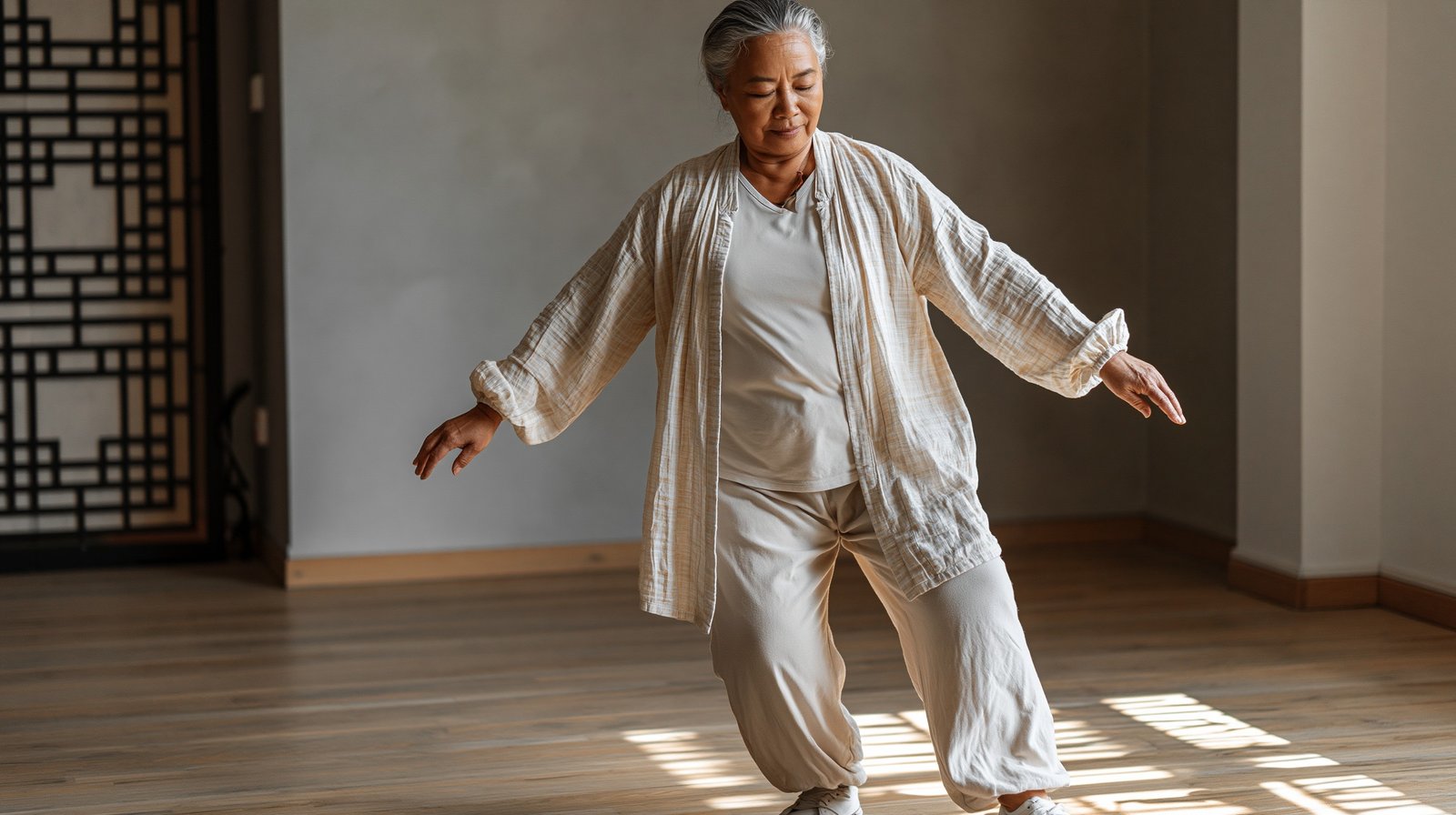
    Adult woman over 55 practicing gentle mind-body movement at home to improve both knee function and psychological wellbeing.

    More than one thing at a time.

    In a randomized clinical trial (RCT) of older adults with knee osteoarthritis, a structured Taichi intervention produced significant improvements in knee function, lower limb strength, and balance. Depression, anxiety, and stress also improved significantly in the same group (He & Wang, 2025).

    The physical and psychological dimensions moved together. That matters for anyone still asking will knee pain go away on its own and waiting for the physical problem to resolve first. The mind-body connection in chronic joint conditions is measurable, not metaphor.

    An approach that treats movement and mindfulness as one practice rather than two tends to produce outcomes in both. Not meditation. Not positive thinking. A way of moving that integrates how you feel with what you do.

    What is a better question than will my knee pain go away?

    Adult man over 55 walking calmly in the morning as part of a capability-focused approach to managing chronic knee pain.

    This one: what can my body do today that it could not do three months ago?

    For adults over 55 with chronic knee pain, the question will knee pain go away on its own keeps attention fixed on a destination OA cannot reliably deliver. Pain levels fluctuate. Using pain as the only measure means good weeks feel fragile and bad weeks feel like failure.

    Capability is a steadier measure. Can you walk to the end of the street? Around the block? For ten minutes without stopping? These are questions your body can answer with a yes.

    The adults who move forward tend to share one thing. They stopped waiting for the pain to leave and started paying attention to what they could do. That shift is where nights with knee pain that used to wake you up start to matter less than the mornings where you lace up and go anyway.

    Wrap-up: Will knee pain go away on its own?

    For most adults over 55 with osteoarthritis, knee pain does not resolve on its own. The joint structure is not repairing itself, and a nervous system managing pain for months does not simply reset with rest.

    But that is not the most useful thing to know.

    What you believe about your body’s capacity to move predicts how much you actually move. A mind-body approach improves both physical function and psychological health at the same time. The question that creates forward progress is not, “Will knee pain go away on its own?” but “What can my body do today?”

    Will knee pain go away on its own is one piece of a larger picture. The complete guide to knee pain relief for adults over 55 is where the full approach lives.

    Ready to Find Out What Your Body Can Do?

    It takes less than 3 minutes. No gym. No equipment. Just a simple test that shows you if your body can do more than it’s been telling you.

    Take the 3-Minute Walk Test

    M3 is a behavioral wellness coaching program. It is not medical treatment and does not replace advice from your physician. Consult your doctor before beginning any new movement or nutrition program.

    Frequently Asked Questions

    Is it normal to have knee pain every day after 55?

    For adults with osteoarthritis, daily knee pain is common but not inevitable. Research shows 1 in 4 adults over 55 experience chronic knee pain, but severity varies widely. Daily pain that limits basic movement, like walking across a room or getting out of a chair, is worth discussing with your doctor rather than accepting as normal aging.

    Can stress make knee pain feel worse?

    Yes, and the research supports it. Psychological stress activates the same inflammatory pathways that contribute to joint pain. Adults managing high stress alongside chronic knee OA often report pain that feels disproportionate to their physical condition. Addressing stress directly, through movement, sleep, or mindfulness practices, is not separate from managing the knee. It is part of it.

    How do you know if your knee pain is getting better or worse?

    Track what your body can do, not just how much it hurts. Pain fluctuates for reasons unrelated to actual joint health. A more reliable measure is functional capability: can you walk further than you could last month? Climb stairs with less hesitation? Get up from the floor more easily? Consistent gains in capability over 4 to 6 weeks indicate forward progress.

    What is the difference between knee pain that heals and knee pain that is managed?

    Healing implies that the underlying cause resolves completely. For OA-related knee pain after 55, the structural changes are permanent. Management means reducing how much those changes affect daily life, how far you walk, how easily you move, and how well you sleep. For most adults with OA, will knee pain go away on its own is the wrong goal. Walking well is the right one.

    Should you push through knee pain or rest when it flares up?

    Neither extreme serves you well. Pushing through sharp pain risks injury. Extended rest weakens the muscles that support the knee and lowers your pain threshold over time. A flare-up calls for reduced intensity, not a full stop. Gentle movement within a comfortable range keeps joint fluid moving and prevents the deconditioning cycle from starting.

    How do you stop worrying about your knee pain getting worse?

    Start tracking what your body can do rather than what it cannot. Worry grows when the only measure of progress is pain, which fluctuates unpredictably. When you shift to capability, a 5-minute walk that becomes 8 minutes is visible progress. That visibility reduces the uncertainty that feeds worry. Movement is both a physical and a psychological intervention.

    References

    He, Q., & Wang, F. (2025). Taichi is medicine: Effects of Taichi exercise on knee fitness and psychological health in older adults with knee osteoarthritis (KOA): A randomized controlled trial. Medicine, 104(38), e44612. https://doi.org/10.1097/MD.0000000000044612

    Mallen, C. D., & Peat, G. (2007). Chronic knee pain. BMJ, 335(7614), 303. https://doi.org/10.1136/bmj.39231.735498.94

    Quicke, J. G., Foster, N. E., Ogollah, R. O., Croft, P. R., & Holden, M. A. (2017). Relationship between attitudes and beliefs and physical activity in older adults with knee pain: Secondary analysis of a randomised controlled trial. Arthritis Care & Research, 69(8), 1192–1200. https://doi.org/10.1002/acr.23104

  • The Emotional Side of Chronic Knee Pain (The Part Nobody Talks About)

    The Emotional Side of Chronic Knee Pain (The Part Nobody Talks About)

    I have watched people manage knee pain for years. The ones who struggle most are rarely the ones with the most severe physical symptoms. They are the ones carrying something nobody ever addressed: the emotional weight that builds up quietly alongside the pain.

    Nobody told them that chronic knee pain has a documented psychological dimension. Nobody mentioned that the frustration, the low motivation, the creeping sense of isolation. Those are not character flaws. They are recognized patterns that show up in the research consistently.

    If the emotional impact of chronic knee pain has been affecting you more than you let on, you are not alone, and you are not overreacting. This post addresses the part that most knee pain programs completely skip.

    Key Takeaway

    Research analyzing 49 studies and 15,855 individuals found that one in five adults with osteoarthritis experience symptoms of depression, and a similar proportion experience anxiety (Stubbs et al., 2016). The emotional side of chronic knee pain is not incidental. It is part of the condition.

    Here is what the research shows about how chronic knee pain affects mood, identity, and self-perception, and what a whole-person approach actually does about it.

    Ready to Find Out What Your Body Can Do?

    It takes less than 3 minutes. No gym. No equipment. Just a simple test that shows you if your body can do more than it’s been telling you.

    Take the 3-Minute Knee Test

    M3 is a behavioral wellness coaching program. It is not medical treatment and does not replace advice from your physician. Consult your doctor before beginning any new movement or nutrition program.

    Does chronic knee pain actually cause depression?

    Emotional Side of Chronic Knee Pain: woman sitting kitchen table morning light

    The emotional side of chronic knee pain and depression are more closely linked than most people realize. Research analyzing 49 studies and more than 15,000 individuals found that one in five adults with osteoarthritis experience symptoms of depression, with a similar proportion reporting anxiety (Stubbs et al., 2016). The emotional effects of chronic knee pain are not a side issue. They are part of the clinical picture.

    That does not mean knee pain causes depression in every person who has it. What the research shows is that the rate is significantly elevated compared to the general population. Living with persistent pain changes things. It limits what you can do. It interrupts sleep. It shifts the way you think about your body and your future. Those are not small things, and their cumulative effect on mood is real and measurable.

    What matters for you is recognizing that if you have been feeling lower than usual since your knee pain started, that pattern has a name. It is not a weakness. It is not a lack of gratitude. It is a documented response to living with a chronic physical condition that most people manage in silence.

    The first step toward addressing it is naming it honestly, which is what the rest of this post does.

    Why does knee pain affect your mood and motivation?

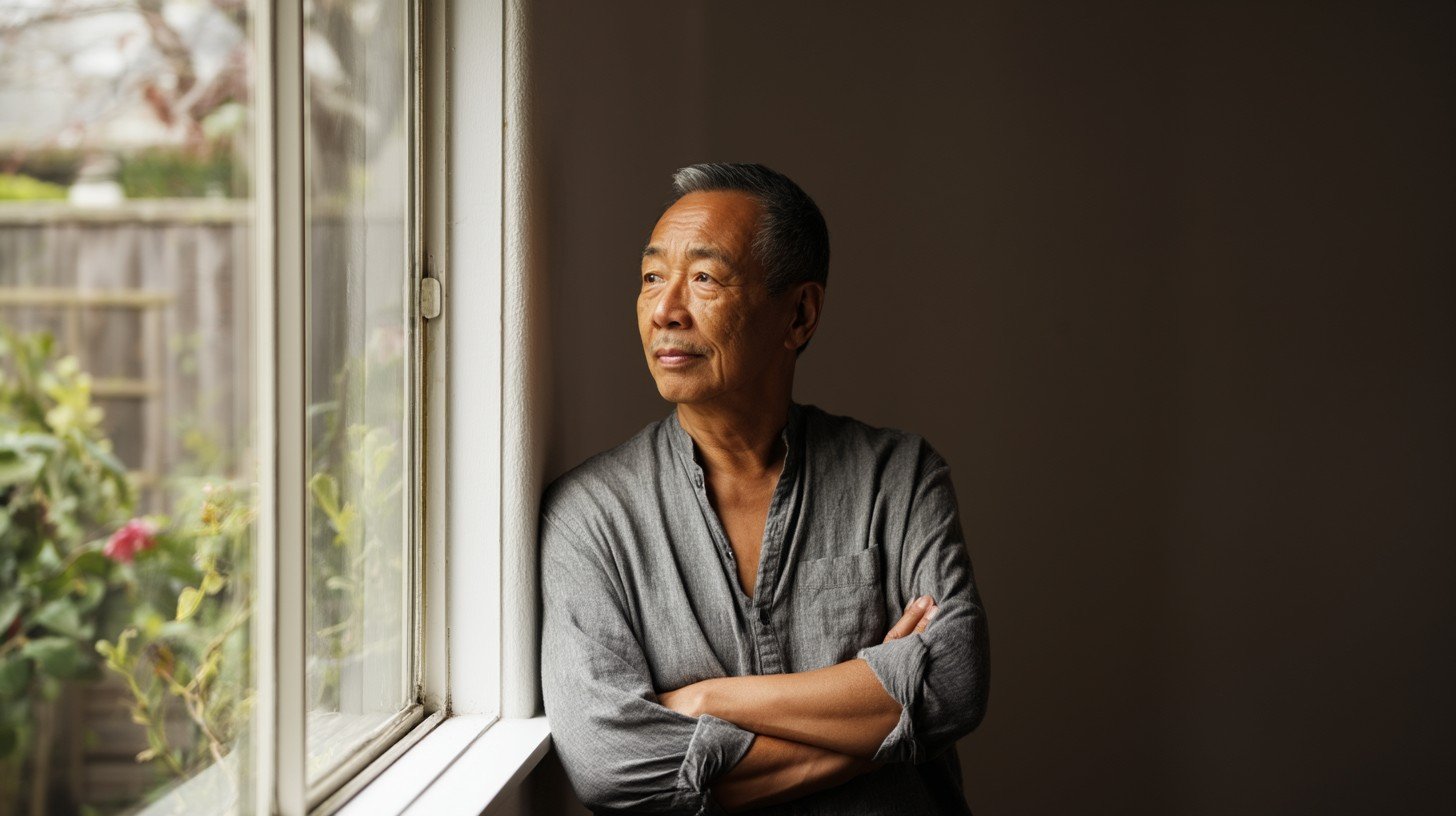
    how chronic pain affects mood man looking out window afternoon light

    Chronic pain and anxiety often travel together, and the reason comes down to what pain quietly removes from your life. It is not just the physical limitation. It is everything that physical limitation takes with it.

    When knee pain makes walking uncomfortable, you stop going to the places that walking took you. The morning walks with a neighbor. The errands you ran yourself. The grandchildren you kept up with. As those things disappear, so do the social connections, the sense of capability, and the daily rhythm that kept your mood regulated. The absence is gradual enough that most people do not notice it happening until they look back and realize how much has changed.

    Research on cognitive and behavioral factors in knee pain found that how you think about your pain directly shapes how much it affects your life (Urquhart et al., 2015). Adults who developed a strong sense that their body could still do things reported significantly better function and mood outcomes than those who did not. Adults who began to fear movement, anticipating that any activity would make things worse, experienced higher pain levels and greater limitation over time.

    This is not about positive thinking as a cure. It is about recognizing that knee pain and mental health are connected in both directions. Pain affects mood. Mood affects how much pain you experience and how well you function. Breaking into that cycle is part of what recovery actually requires.

    The first place that the cycle can be interrupted is in how you understand what is happening to you. Not just in the joint. In the whole experience of living with it.

    What does chronic knee pain do to your sense of identity?

    chronic pain social isolation man sitting empty sports field

    This is the part of the emotional side of chronic knee pain that nobody talks about. Chronic pain and social isolation are well-documented together, but the deeper loss is harder to name. It is not just that you see fewer people. It is that the activities that told you who you were have quietly stepped back, one by one.

    Maybe you were the person who walked every morning. The grandparent who got down on the floor. The one in your group who suggested the hike, organized the trip, and kept up with everyone else. Knee pain did not just make those things harder. It began to rewrite the story you told yourself about what kind of person you are.

    That shift in identity is real, and it compounds. When knee pain limits your quality of life long enough, many adults begin to define themselves by what they can no longer do rather than what they still can. The activities that once gave them energy, confidence, and connection start to feel like reminders of loss instead of possibilities. Motivation drops not because of laziness but because the future feels smaller than it used to.

    What is worth knowing is that this pattern is recognized, and it is not permanent. The research on cognitive factors and knee pain is clear that identity and self-belief are modifiable (Urquhart et al., 2015). Adults who rebuild a sense of what their body is capable of, even starting from very small wins, show measurably better outcomes than those who do not.

    You are not the sum of what your knees currently prevent. That story is still being written.

    How does the way you talk to yourself affect your knee pain?

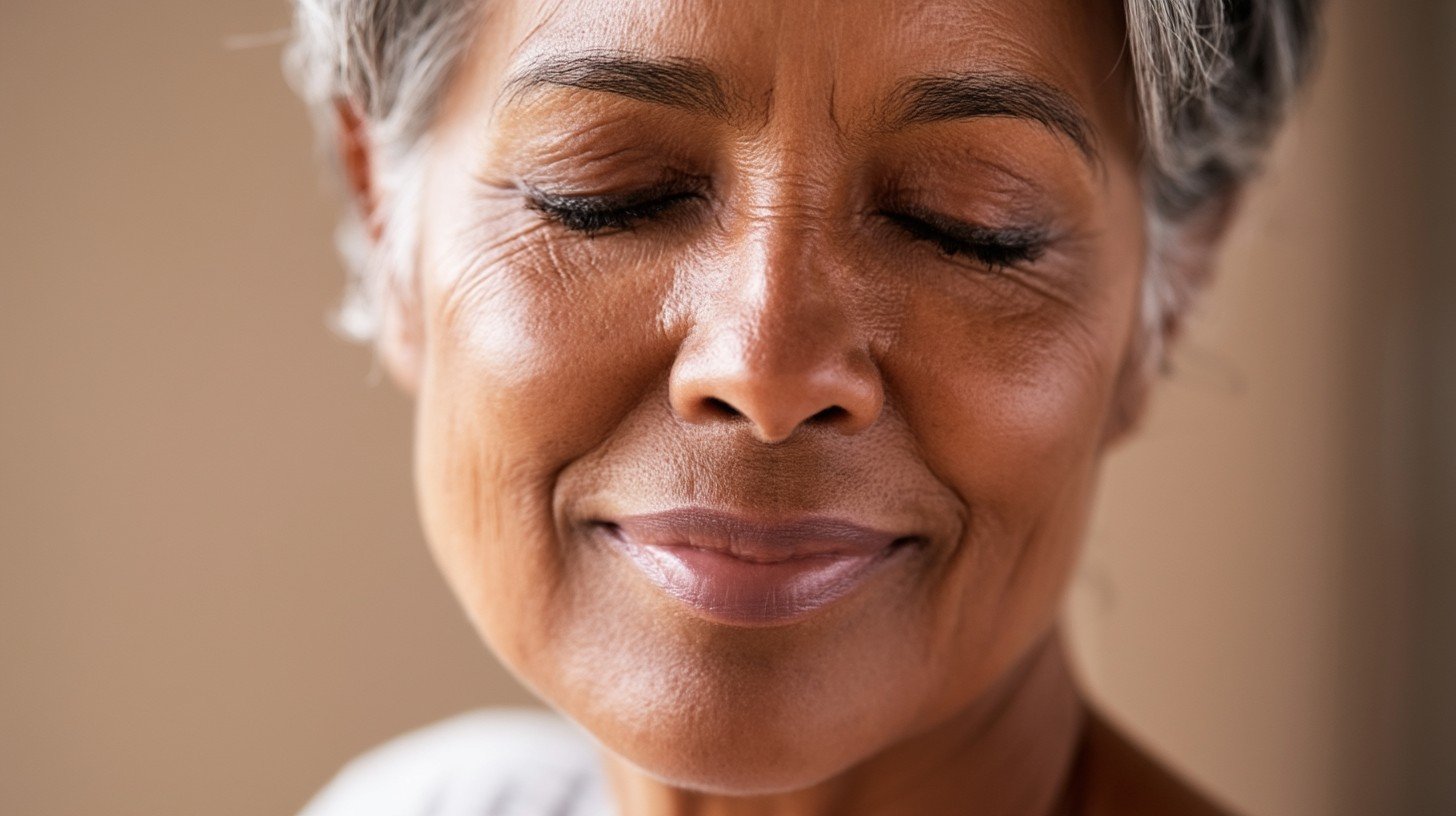
    mindset and chronic pain woman eyes closed calm expression

    Mindset and chronic pain are connected in ways that go beyond attitude. The research on cognitive factors in knee pain found that adults with high pain self-efficacy, a belief that their body was still capable, reported significantly better function and lower pain levels than those without it (Urquhart et al., 2015). How you think about your body is not separate from how your body performs. It is part of the same system.

    This shows up in a specific way with knee pain. When pain has been present long enough, many adults develop a habit of bracing for it. They anticipate the worst before each walk. They interpret every twinge as confirmation that things are getting worse. That pattern of thinking amplifies how pain feels and makes movement feel more threatening than it is. The result is less movement, more stiffness, and a stronger belief that the body cannot be trusted. The cycle reinforces itself.

    The way you talk to yourself about your body either opens that cycle or closes it. Small, honest encouragement works differently from false positivity. It is not about telling yourself the pain is not there. It is about noticing when your body does something it could not do last week, however small, and letting that register.

    That kind of internal language is something you can practice. It does not require a program or a framework. It starts with paying attention to what you say to yourself in the two minutes after a walk, and choosing something accurate and encouraging instead of defaulting to what still hurts.

    What does a whole-person approach to knee pain actually look like?

    whole person approach knee pain woman walking suburban path

    Holistic knee pain management is a phrase that gets used loosely, but what it means in practice is straightforward. It means treating the physical, nutritional, and emotional dimensions of knee pain at the same time, not one after the other.

    Most knee pain programs address the joint. Some address movement. Very few address what is happening in the mind and the identity of the person living with the pain. That gap is not a minor oversight. Research consistently shows that exercise reduces pain and improves function in adults with knee osteoarthritis (Fransen et al., 2015), but adherence, actually doing the movement consistently, depends heavily on whether the emotional and psychological side is being addressed alongside it.

    A mind-body approach to knee pain looks like this in practice:

    • Movement that starts small enough to build confidence, not just capability. Sessions short enough that your knees respond well and your belief in your body grows alongside your physical tolerance.
    • Meals that reduce the inflammatory baseline your joints are working against every day, so that movement feels more possible and recovery happens faster.
    • Mindfulness that addresses the thought patterns, the self-talk, and the emotional weight that chronic pain accumulates over time.

    None of these three works as well alone as all three do together. Managing knee pain naturally means managing the whole experience of having it, not just the tissue.

    That is what the research points toward. It is also what most adults with chronic knee pain have never been offered.

    Wrap-up: the emotional side of chronic knee pain

    Chronic knee pain is not just a joint problem. The research is clear on this. One in five adults with osteoarthritis experiences depressive symptoms. A similar proportion experience anxiety. The isolation, the identity shift, the quiet erosion of motivation, these are not personal failures. They are documented patterns that show up consistently when pain is present long enough and goes unaddressed as a whole experience.

    The physical side of knee pain gets most of the attention. The emotional side of chronic knee pain gets almost none. That imbalance is part of why so many adults manage their symptoms for years without making meaningful progress. They are working on one part of a three-part problem.

    What changes outcomes is addressing all three parts together. Movement that builds slowly and builds confidence alongside capability. Food choices that lower the inflammatory baseline the joint is working against. And honest attention to the mental and emotional load that chronic pain carries with it, including how you talk to yourself about what your body can do.

    You do not have to have everything figured out before you start. The smallest possible starting point is still a starting point. The 3-Minute Knee Test is exactly that, a structured way to find out what your body responds to, before you commit to anything more.

    Ready to Find Out What Your Body Can Do?

    It takes less than 3 minutes. No gym. No equipment. Just a simple test that shows you if your body can do more than it’s been telling you.

    Take the 3-Minute Knee Test

    M3 is a behavioral wellness coaching program. It is not medical treatment and does not replace advice from your physician. Consult your doctor before beginning any new movement or nutrition program.

    Frequently Asked Questions

    Can chronic pain cause depression?

    Yes. Research analyzing 49 studies and more than 15,000 adults with osteoarthritis found that one in five experience symptoms of depression, with a similar proportion reporting anxiety (Stubbs et al., 2016). The emotional side of chronic knee pain includes documented impacts on sleep, mood, and daily motivation. The emotional effects of chronic knee pain are not incidental. They are a recognized and documented part of living with persistent pain.

    Why does knee pain make me feel isolated?

    Because knee pain limits the activities that connect you to other people. Walking with friends, keeping up with grandchildren, attending events that require being on your feet, when those things become difficult, the social fabric that supported your mood and sense of belonging quietly thins. That is not a weakness. It is a predictable consequence of chronic pain and social isolation that researchers have documented consistently.

    How does mindset affect knee pain recovery?

    Research on cognitive factors in knee pain found that adults with a strong belief in their body’s capability reported significantly better function and lower pain levels than those without it (Urquhart et al., 2015). Mindset and chronic pain are connected in both directions. How you think about your body affects how much you move. How much you move affects how your body feels. Building a realistic, encouraging internal narrative about small progress is part of what recovery actually requires.

    Is it normal to feel anxious about your knee pain getting worse?

    Very common, yes. Fear of movement is one of the most documented cognitive patterns in chronic knee pain. Many adults begin to anticipate pain before it arrives, which leads them to move less, which leads to more stiffness and greater limitation over time. Recognizing that pattern is the first step toward changing it. If anxiety about your knees is affecting your daily decisions, that is worth addressing directly alongside the physical side of your pain.

    What does a whole-person approach to knee pain look like?

    It means addressing movement, nutrition, and the emotional and mental dimensions of knee pain at the same time rather than one after the other. Exercise reduces pain and improves function in adults with knee osteoarthritis (Fransen et al., 2015), but sustained progress depends on whether the psychological side is being addressed alongside it. A whole-person approach combines movement that builds confidence, food choices that reduce inflammation, and attention to the thought patterns that chronic pain creates over time.

    Can improving your mood actually reduce knee pain?

    The relationship runs in both directions. Pain affects mood, and mood affects pain perception. Research on cognitive factors in knee pain found that how you think about your body — your level of self-belief, your expectations about what is possible — directly influences your functional outcomes (Urquhart et al., 2015). Addressing the emotional side of chronic knee pain is not a soft add-on to physical treatment. It is part of what determines how well the physical treatment works.

    References

    Fransen, M., McConnell, S., Harmer, A. R., Van der Esch, M., Simic, M., & Bennell, K. L. (2015). Exercise for osteoarthritis of the knee: A Cochrane systematic review. British Journal of Sports Medicine, 49(24), 1554–1557. https://doi.org/10.1136/bjsports-2015-095424

    Stubbs, B., Aluko, Y., Myint, P. K., & Smith, T. O. (2016). Prevalence of depressive symptoms and anxiety in osteoarthritis: a systematic review and meta-analysis. Age and Ageing, 45(2), 228–235. https://doi.org/10.1093/ageing/afw001

    Urquhart, D. M., Phyomaung, P. P., Dubowitz, J., Fernando, S., Wluka, A. E., Raajmaakers, P., Wang, Y., & Cicuttini, F. M. (2015). Are cognitive and behavioural factors associated with knee pain? A systematic review. Seminars in Arthritis and Rheumatism, 44(4), 445–455. https://doi.org/10.1016/j.semarthrit.2014.07.005