Tag: anti-inflammatory foods

  • The Grocery List for Joint Health: What to Add and What to Limit

    The Grocery List for Joint Health: What to Add and What to Limit

    Patricia had been reading about anti-inflammatory eating for months before our first session. She had a notebook full of individual foods, supplements, and ingredients, but no clear picture of how they connected or what belonged in her cart. She was focused on single items when the more useful question was what the whole cart should look like.

    In a review of 33 studies with more than 3,000 adults, people eating a Mediterranean-style diet had significantly lower levels of two inflammation markers in their blood, called hs-CRP and IL-6, compared to people eating differently. Both markers are linked to joint pain (Keshani et al., 2025). The grocery list for joint health, the research points to, is not a collection of miracle foods. It is a consistent pattern of what goes in the cart.

    Key Takeaways

    In a review of 33 studies with 3,476 adults, a Mediterranean-style diet significantly lowered hs-CRP and IL-6, two inflammation markers in the blood (Keshani et al., 2025). Adults with knee OA who ate more omega-3 foods reported less pain and better movement (Stanfar et al., 2024). Across 24 studies, a blood marker called CRP was consistently higher in people who ate more ultra-processed foods (Ciaffi et al., 2025).

    This post covers why food affects joint health, what to add to your grocery list for joint health, what to limit, and how your cart connects to daily walking.

    Ready to Find Out What Your Body Can Do?

    It takes less than 3 minutes. No gym. No equipment. Just a simple test that shows you if your body can do more than it’s been telling you.

    Take the 3-Minute Walk Test

    M3 is a behavioral wellness coaching program. It is not medical treatment and does not replace advice from your physician. Consult your doctor before beginning any new movement or nutrition program.

    Why does food affect joint health in adults over 55?
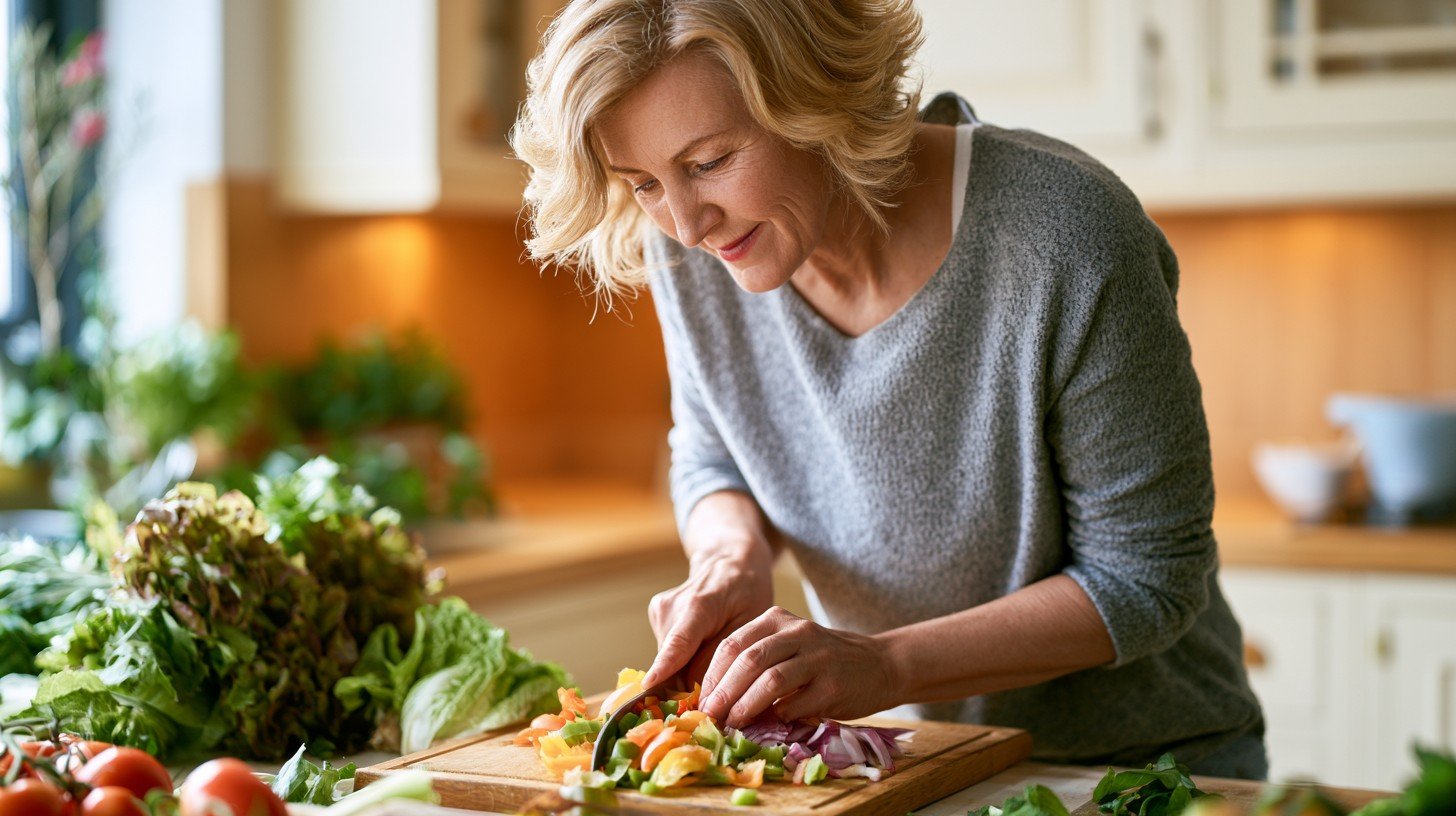
    Adult woman over 55 preparing colorful vegetables in a kitchen illustrating how a grocery list for joint health starts with anti-inflammatory whole foods that reduce hs-CRP and IL-6.

    Because what you eat every day either turns down the body’s background inflammation or turns it up.

    After 55, the body naturally produces more inflammation than it did at younger ages, even when nothing is wrong. Food does not reverse this. But it does influence how high that background level runs from day to day.

    In a review of 33 studies with more than 3,000 adults, people eating a Mediterranean-style diet had significantly lower levels of hs-CRP and IL-6, two inflammation markers in the blood. These are the two markers most closely linked to chronic joint discomfort. The effect was not found for every inflammation marker tested (Keshani et al., 2025).

    hs-CRP is a marker that picks up the kind of low, slow inflammation that builds quietly with age. This is the level a grocery list for joint health works on, one meal at a time.

    The anti-inflammatory foods for knee pain research points to the same food categories every time: fish and plant oils with omega-3, colorful plants, and fiber that keeps the gut healthy.

    What goes on the grocery list for joint health?
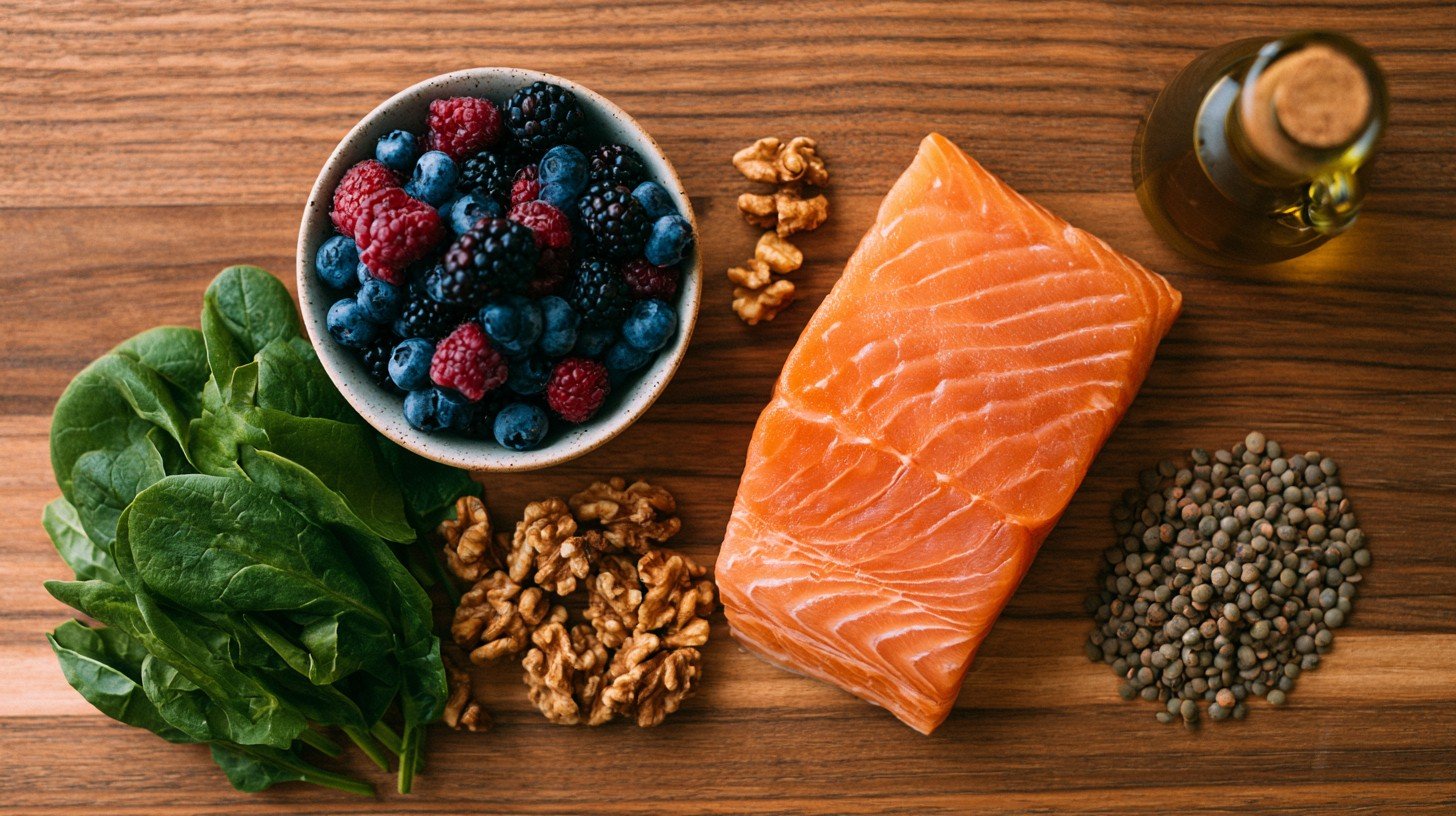
    Flat-lay of six joint-health foods including salmon, berries, walnuts, leafy greens, olive oil, and lentils representing the key items on a grocery list for joint health.

    Six categories are organized in the way you move through the store.

    Proteins

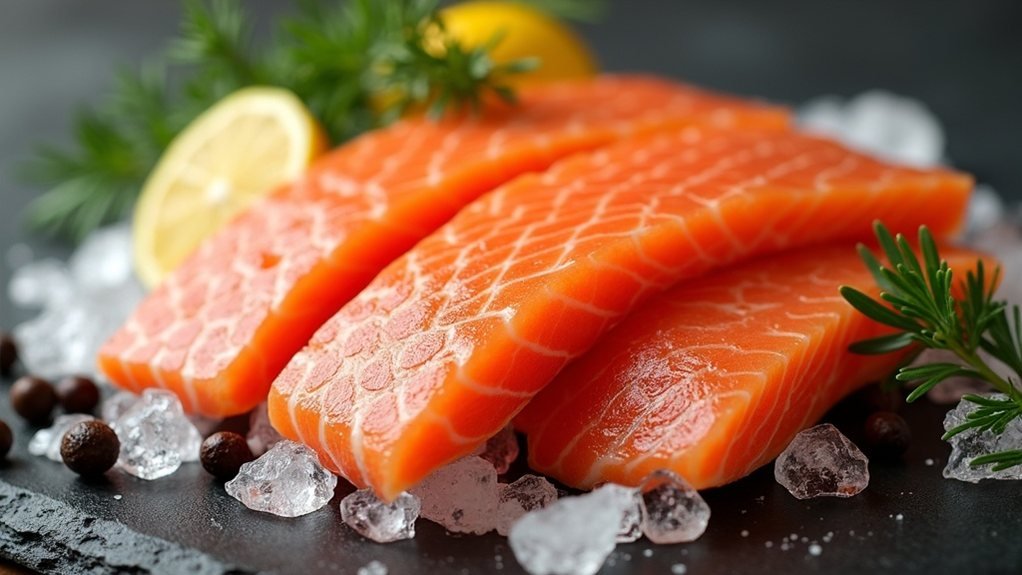
    Fatty fish (salmon, sardines, mackerel) — The best food source of omega-3 fats, which research links to lower inflammation and less joint pain. Aim for two to three servings per week.

    Legumes (lentils, chickpeas, black beans) — Plant protein with lots of fiber that helps keep the gut healthy, which in turn helps keep overall inflammation lower. Cheap, shelf-stable, and easy to use across many meals.

    Produce

    Berries (blueberries, strawberries, raspberries) — Natural compounds in berries have been directly linked to lower levels of joint inflammation in clinical studies. One of the most studied food groups in knee pain research.

    Leafy greens (spinach, kale, arugula) — Packed with vitamin K and natural plant compounds that help fight inflammation. These appear in almost every anti-inflammatory eating plan backed by research.

    Pantry

    Extra virgin olive oil — The main fat in the Mediterranean diet and one of the foods most consistently linked to lower inflammation markers. It contains a natural compound called oleocanthal that fights inflammation in a way similar to how ibuprofen works.

    Walnuts and flaxseed — A plant-based source of omega-3 fats. Not as potent as fish, but a useful addition on days when salmon is not on the menu.

    For a deeper look at the evidence behind these categories, foods for knee health over 55 covers the research in detail.

    Why omega-3-rich foods and berries earn the top of the list

    Adult man over 55 eating salmon and berries at a kitchen table showing the two most research-supported food categories on a grocery list for joint health.

    Because these are the two categories with the most specific clinical evidence in knee Osteoarthritis Arthritis (OA) populations.

    A systematic review of eight clinical trials found that adults with OA who consumed the highest proportion of omega-3 fatty acids reported the greatest improvements in pain and physical function. Of all dietary variables examined, high omega-3 intake produced the most consistent benefit (Stanfar et al., 2024).

    For berries, the research gets more specific. In one study, 17 adults with knee OA who were overweight drank a strawberry beverage daily for 12 weeks. By the end, their joint inflammation markers and pain scores had both dropped significantly compared to a control period (Schell et al., 2017). The group was small, and all participants were overweight, so the results do not apply to everyone. But this is the most direct research connecting a single food to lower knee pain and inflammation.

    Both findings point in the same direction as the broader pattern research. A grocery list for joint health anchored by fatty fish, walnuts, and berries follows the most granular clinical evidence in the OA dietary literature.

    What to limit on a grocery list for joint health
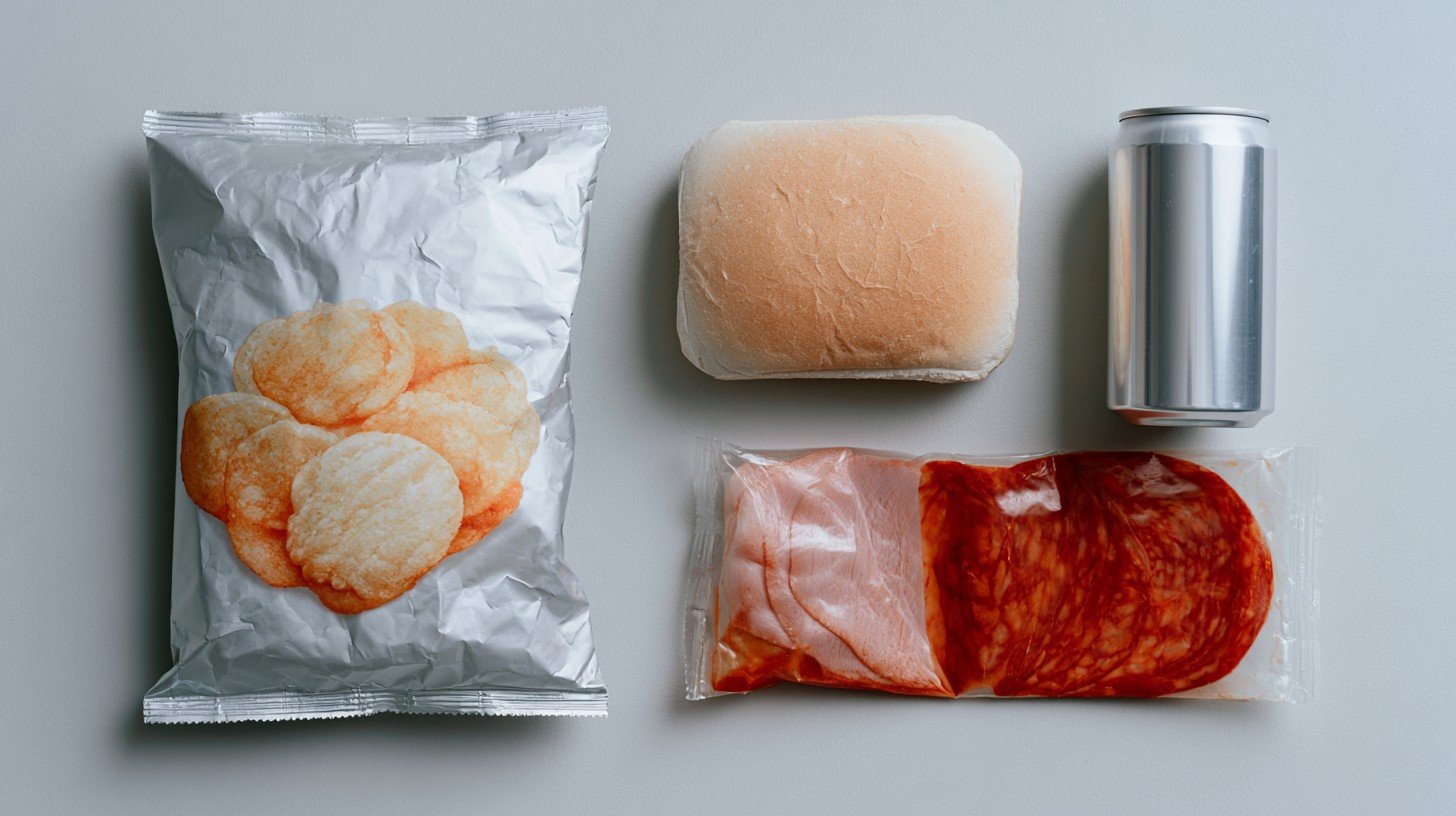
    Four ultra-processed food items including chips, white bread, soda, and processed meat showing what to limit on a grocery list for joint health to reduce inflammation.

    Four categories to cut back on. Not cut out entirely, just cut back.

    Ultra-processed packaged snacks (chips, crackers, packaged cookies). In a review of 24 studies, CRP, a blood marker for inflammation, was most consistently elevated in people who ate more ultra-processed foods (Ciaffi et al., 2025). This is the category where reducing intake has the clearest research support.

    Refined grains and white bread. These break down into sugar quickly in the body, which can trigger an inflammatory response. Whole grains digest more slowly and have much less of this effect.

    Added sugars and sugary drinks. Sugar directly triggers compounds in the body that drive inflammation. Sodas, sweetened coffees, and fruit juices with added sugar are among the most concentrated sources.

    Processed meats (deli meat, sausage, bacon). High in saturated fat and compounds formed during processing, both are linked to higher inflammation markers across multiple studies.

    The same CRP marker that rises with ultra-processed food intake is also at the center of the link between inflammation and sleep quality over 55. The grocery cart and the bedroom are connected by the same pathway.

    How your grocery list connects to walking

    Adult woman over 55 walking on a park path with a grocery bag visible showing how a grocery list for joint health connects daily food choices to walking capability.

    The cart does not replace a walking program. But it does change the conditions every walk starts from.

    When the body carries lower levels of CRP and IL-6 over time, joints have more reserve for consistent movement. When those markers run high, the same walk costs more. Food does not eliminate that reality. It shifts the starting point.

    Think of it this way. Two adults with similar knee pain take the same 30-minute walk. One has been eating in a way that keeps background inflammation lower. Their knees do the same mechanical work, but one starts from a calmer baseline. Over weeks and months, that difference adds up.

    A grocery list for joint health is the Meals pillar doing its job. Not a treatment. A daily habit that makes movement more achievable, one shopping trip at a time. The goal is walking 30 minutes. What is in the cart each week shapes how realistic that goal stays.

    Wrap-up: Grocery list for joint health

    Patricia eventually stopped tracking individual superfoods and started thinking about the whole cart instead. That shift made things simpler, and the research backs it up.

    Three things worth keeping: eating a Mediterranean-style pattern consistently lowers key inflammation markers. Omega-3 foods and berries have the most direct clinical evidence for knee pain specifically. Ultra-processed foods are the most consistently documented driver of elevated CRP in the research.

    The goal is walking 30 minutes. A grocery list for joint health is one part of what makes that goal more realistic each week. It is not a cure. It is a daily habit that either lowers background inflammation or raises it, depending on what goes in the cart.

    A grocery list for joint health is one piece of a larger picture. The complete guide to knee pain relief for adults over 55 covers the full three-pillar approach.

    Ready to Find Out What Your Body Can Do?

    It takes less than 3 minutes. No gym. No equipment. Just a simple test that shows you if your body can do more than it’s been telling you.

    Take the 3-Minute Walk Test

    M3 is a behavioral wellness coaching program. It is not medical treatment and does not replace advice from your physician. Consult your doctor before beginning any new movement or nutrition program.

    Frequently Asked Questions

    What is the single most important food to add for joint health after 55?

    If one category stands out in the research, it is fatty fish. Adults with knee OA who ate the most omega-3 fats reported the greatest improvements in pain and function across clinical trials. Two to three servings of salmon, sardines, or mackerel per week is the best starting point for a grocery list for joint health.

    Do I need omega-3 supplements, or is food enough?

    Food is the preferred approach for most adults. Fatty fish provides EPA and DHA, the specific omega-3 fats the body uses most directly. Supplements can help on weeks when fish is not practical, but they are not a substitute for consistent dietary change. If you do take a supplement, look for one with both EPA and DHA listed on the label.

    How long does it take for dietary changes to affect joint inflammation?

    Research suggests meaningful changes in blood inflammation markers can appear within 4 to 12 weeks of consistent dietary change. The key word is consistent. One week of eating more fish and berries is not enough. But 8 to 12 weeks of building a better grocery list for joint health can produce measurable differences in the markers most linked to joint discomfort.

    Is the Mediterranean diet the best diet for joint health?

    It is the most studied. A review of 33 studies found it consistently lowered key inflammation markers in the blood. Other eating patterns, including plant-based and anti-inflammatory diets, show similar promise. The common thread across all of them is the same: more whole foods, more omega-3 fats, less processed food. The label matters less than the daily pattern.

    Can I build a grocery list for joint health on a budget?

    Yes. Several of the most research-supported items are among the least expensive foods on the shelf. Canned sardines and canned salmon cost less than most meats and are high in omega-3 fats. Lentils and chickpeas are among the cheapest proteins available. Frozen berries are as nutrient-rich as fresh at a fraction of the cost. A grocery list for joint health does not have to be expensive.

    What should I eat before a walk if my knees hurt?

    A small snack with protein and some slow-digesting carbs about an hour before a walk helps keep energy steady. A handful of walnuts and fruit or a small bowl of oatmeal are both practical options. Drinking water beforehand matters too. Even mild dehydration can make joint discomfort feel sharper than it normally would.

    References

    Ciaffi, J., Mancarella, L., Ripamonti, C., Brusi, V., Pignatti, F., Lisi, L., & Ursini, F. (2025). Ultra-processed food consumption and systemic inflammatory biomarkers: A scoping review. Nutrients, 17(18), 3012. https://doi.org/10.3390/nu17183012

    Keshani, M., Rafiee, S., Heidari, H., Rouhani, M. H., Sharma, M., & Bagherniya, M. (2025). Mediterranean diet reduces inflammation in adults: A systematic review and meta-analysis of randomized controlled trials. Nutrition Reviews. Advance online publication. https://doi.org/10.1093/nutrit/nuaf213

    Schell, J., Scofield, R., Barrett, J., Kurien, B., Betts, N., Lyons, T., Zhao, Y., & Basu, A. (2017). Strawberries improve pain and inflammation in obese adults with radiographic evidence of knee osteoarthritis. Nutrients, 9(9), 949. https://doi.org/10.3390/nu9090949

    Stanfar, K., Hawes, C., Ghajar, M., Byham-Gray, L., & Radler, D. R. (2024). Diet modification reduces pain and improves function in adults with osteoarthritis: A systematic review. Journal of Human Nutrition and Dietetics, 37(4), 847–884. https://doi.org/10.1111/jhn.13317
  • 7 Anti-Inflammatory Foods Adults Over 55 Should Know About

    7 Anti-Inflammatory Foods Adults Over 55 Should Know About

    I did not change what I ate until after my second surgery. Nobody told me to. The focus was always on the joint itself — what to do with it, how to move it, when to rest it. Food felt like a separate conversation.

    It is not a separate conversation. It never was.

    If you have been looking for the best anti-inflammatory foods for knee pain, here is what I wish someone had told me twenty years ago. What you eat affects the level of inflammation your body is running at baseline. And that baseline is what your knees are working against every time you take a step. Lower the baseline, and the same walk feels different. Not because the joint changed overnight, but because the environment it is operating in did.

    KEY TAKEAWAY

    Certain foods consistently lower systemic inflammation, which affects how joints feel and function in adults with knee concerns. Omega-3 fatty acids have the strongest research support, with evidence showing they modulate the production of inflammatory compounds at the cellular level (Calder, 2013). No food reverses structural joint changes. But lowering baseline inflammation changes the daily experience of living in a body with knee pain.

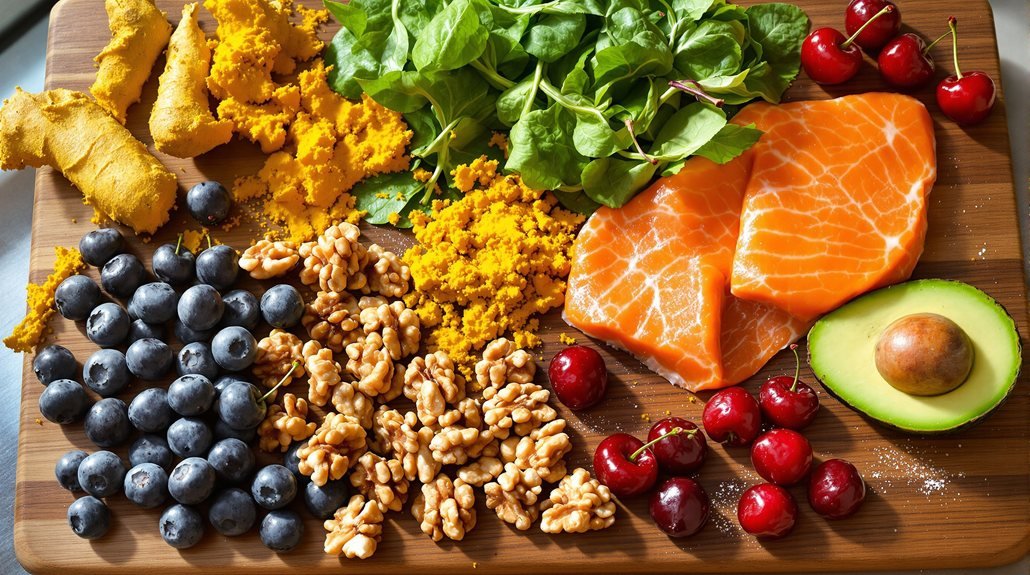
    Here are seven foods the research points to consistently, what each one actually does, and how to add them without turning your kitchen upside down.

    Ready to Find Out What Your Body Can Do?

    It takes less than 3 minutes. No gym. No equipment. Just a simple test that shows you if your body can do more than it’s been telling you.

    Take the 3-Minute Knee Test

    M3 is a behavioral wellness coaching program. It is not medical treatment and does not replace advice from your physician. Consult your doctor before beginning any new movement or nutrition program.

    What do anti-inflammatory foods actually do for your knees?

    Before we get to the list, it helps to understand what you are actually trying to accomplish.

    Chronic joint discomfort has an inflammatory component. Your body produces inflammatory compounds called cytokines that sensitize joint tissue. When that process is running at a high baseline, your knees start every walk already more irritated than they need to be. The joint is not just dealing with the mechanical load of movement. It is dealing with that load on top of tissue that is already primed to hurt.

    Anti-inflammatory foods work by reducing the production of those compounds. Omega-3 fatty acids in particular modulate the body’s inflammatory response at the cellular level, affecting the same pathways that drive chronic joint discomfort (Calder, 2013). The effect is not dramatic or immediate. It is cumulative. Consistent intake over weeks and months shifts the baseline in a direction that makes daily movement more manageable.

    What these foods do not do is reverse structural changes in the joint. Cartilage loss, bone spurs, changes that show up on imaging — food choices do not undo those. What they do is change the inflammatory environment those structures are sitting in. That distinction matters because it sets realistic expectations while still making a real case for why this is worth paying attention to.

    If you want to understand more about what is driving your knee pain in the first place, I covered the three most common causes of why your knees hurt when you walk. The inflammatory component is one of them, and what you eat connects directly to it.

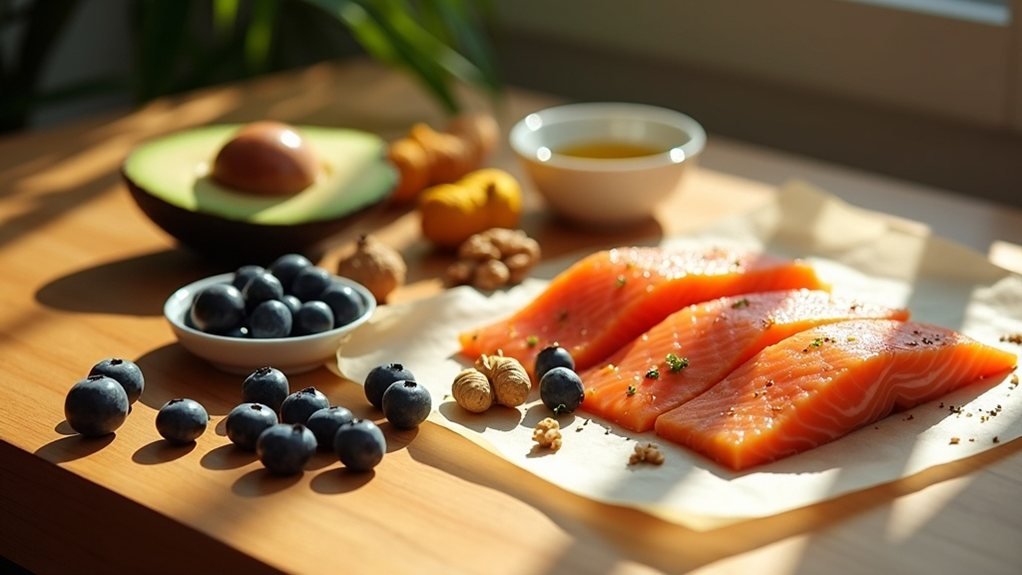
    Why is fatty fish one of the best foods for knee pain?

    What do anti-inflammatory foods actually do for your knees

    Fatty fish sits at the top of this list for a reason. Salmon, mackerel, sardines, and herring are the most concentrated dietary sources of EPA and DHA, the two omega-3 fatty acids with the strongest evidence for reducing inflammation.

    Here is what they actually do. EPA and DHA modulate the production of inflammatory eicosanoids and cytokines, the compounds your body produces when chronic inflammation is running (Calder, 2013). They do not switch inflammation off. They turn down the volume on a process that, in adults with chronic joint concerns, has been running too loud for too long.

    The research on omega-3s and joint health is among the most consistent in the nutritional science space. Most studies use two to three servings of fatty fish per week as the intake level that produces measurable effects on inflammatory markers. That is the context for what the research looks at, not a prescription for what you must eat.

    Sardines are worth a special mention here. They are the most affordable option on the list, they are shelf-stable, and they are one of the few foods where you eat the small bones, which adds a meaningful calcium contribution alongside the omega-3s. A can of sardines on whole-grain crackers is not glamorous. It is practical, and it works.

    If you do not eat fish, plant-based omega-3 sources exist, and we will get to them. They are a useful addition, but they work differently, and the conversion rate to EPA and DHA is limited compared to direct consumption of fatty fish.

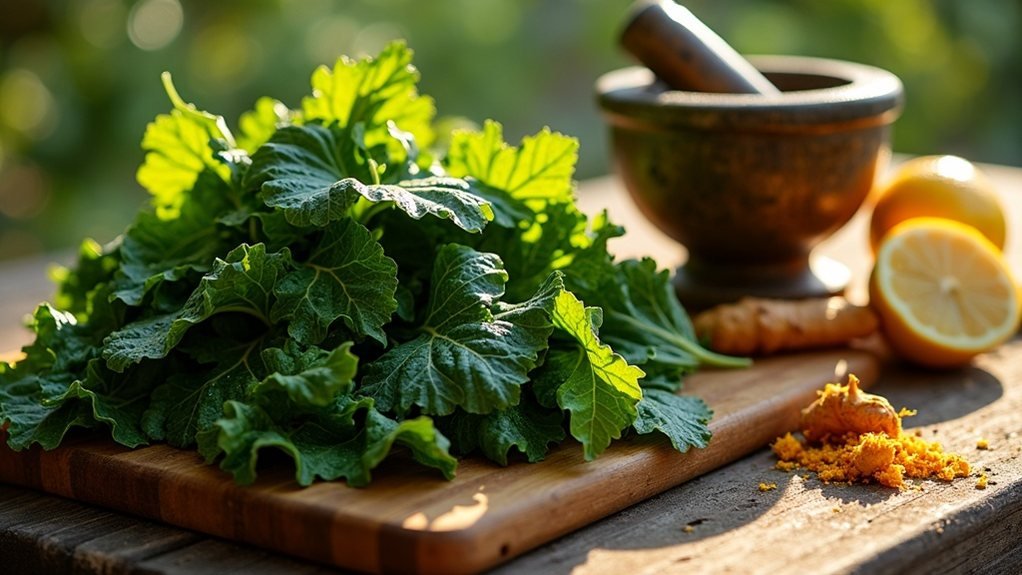
    What makes leafy greens worth eating when your knees hurt?

    Why is fatty fish one of the best foods for knee pain

    Spinach, kale, Swiss chard, arugula. These are not on this list because they are generally healthy. They are on it because of specific compounds that show up consistently in joint health research.

    Leafy greens are high in vitamin K and in antioxidants, including quercetin and kaempferol. Vitamin K plays a role in cartilage metabolism and has been associated with lower rates of knee osteoarthritis progression in observational studies. Quercetin and kaempferol inhibit inflammatory pathways, including some of the same ones targeted by the omega-3s in fatty fish. Different mechanism, same general direction.

    The antioxidant piece matters for a reason that often gets overlooked. Chronic inflammation generates oxidative stress, a kind of cellular wear that compounds over time in joints that are already dealing with structural changes. Antioxidants from food help manage that process. They are not a cure for oxidative damage. They reduce the rate at which it accumulates.

    One practical note on preparation. Raw or lightly cooked greens retain more of the active compounds than heavily processed or overcooked versions. A handful of spinach in a smoothie, arugula as a salad base, lightly sauteed kale with olive oil, all of these preserve what you are actually after. Boiling until grey is less useful.

    You do not need to eat a pound of greens a day. Consistent daily exposure, even a modest amount, is more valuable than occasional large servings with nothing in between.

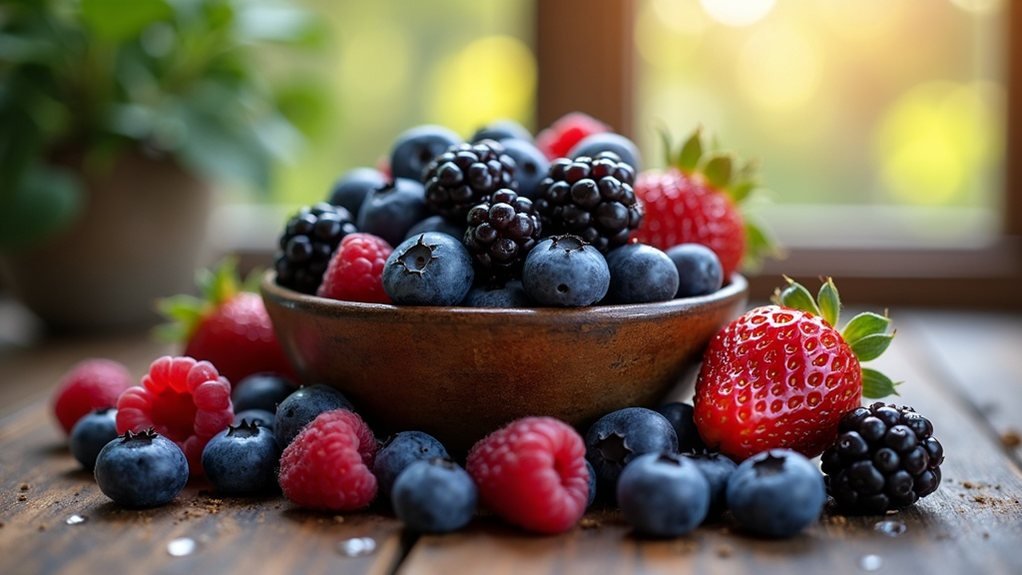
    Why do berries belong on the anti-inflammatory foods list?

    What makes leafy greens worth eating when your knees hurt

    Blueberries, strawberries, raspberries, cherries. The thing that puts all of these in the same conversation is anthocyanins, a class of flavonoid that gives berries their color and does measurable work on inflammation.

    Anthocyanins inhibit the COX-2 enzyme. If that sounds familiar, it is because COX-2 is the same pathway targeted by many over-the-counter anti-inflammatory medications. The effect of food is milder and more gradual than that of medication. But it is real, it accumulates with consistent consumption, and it comes without the gastrointestinal side effects that chronic NSAID use can produce in older adults.

    Tart cherries deserve a separate mention. The research on tart cherry juice, specifically the tart variety rather than the sweet, shows reductions in inflammatory markers and muscle soreness following physical activity. That post-activity recovery piece is worth paying attention to.

    A few practical notes. Fresh, frozen, and dried berries all retain meaningful levels of anthocyanins. Frozen is often more practical and significantly less expensive, particularly outside of peak season. If you are using dried berries, check the label; many commercially dried fruits have added sugar that works against what you are trying to accomplish.

    Berries also happen to be one of the most accessible additions on this list. Most people already eat them occasionally. The shift is from occasional to consistent. That is a smaller ask than it might sound.

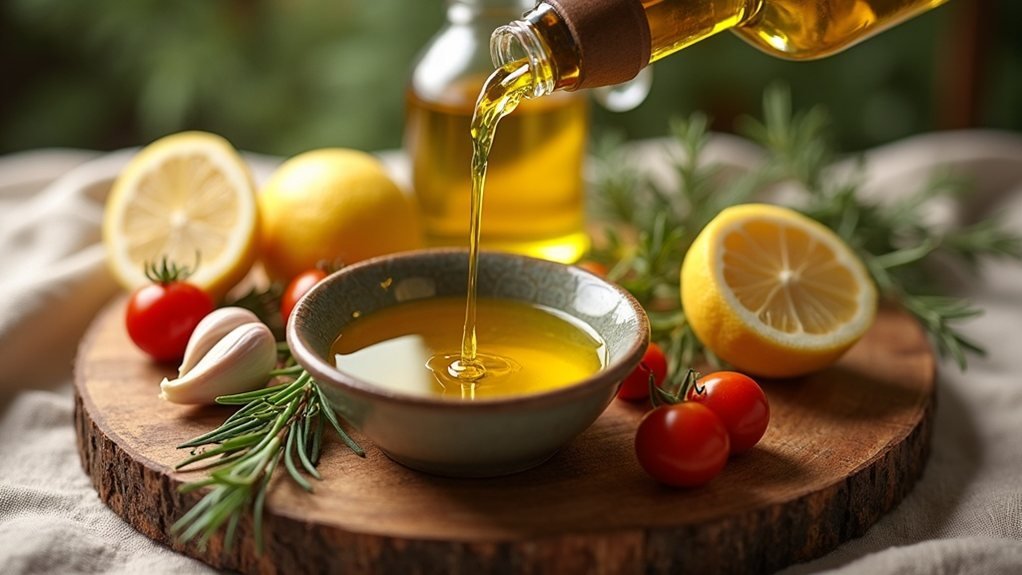
    What does olive oil do for joint inflammation?

    Why do berries belong on the anti-inflammatory foods list

    Extra virgin olive oil contains a compound called oleocanthal. Oleocanthal inhibits the COX-1 and COX-2 enzymes, which are the same pathways targeted by non-steroidal anti-inflammatory drugs. It was identified as a COX inhibitor in 2005 when researchers noticed that fresh extra virgin olive oil produced the same throat sensation as liquid ibuprofen.

    The mechanism is real. The effect is dose-dependent and cumulative, not acute. Oleocanthal works over weeks and months of consistent use, not in the hours after a single meal. Managing expectations here matters. This is not a replacement for medication when you need it. It is a consistent background contribution to a lower inflammatory baseline.

    Two things worth knowing about form and quality. First, extra virgin is the relevant designation. Refined olive oils lose most of the oleocanthal during processing. Light olive oil, pure olive oil, and other refined versions do not carry the same benefit. Second, oleocanthal degrades with heat. Using extra virgin olive oil as a finishing oil on cooked vegetables or as the base for salad dressings preserves more of the active compound than using it as a high-heat cooking oil.

    The most practical shift for most people is replacing whatever oil they currently use most often with extra virgin olive oil. That one substitution, done consistently, is more useful than adding olive oil on top of an existing pattern that includes a lot of refined seed oils.

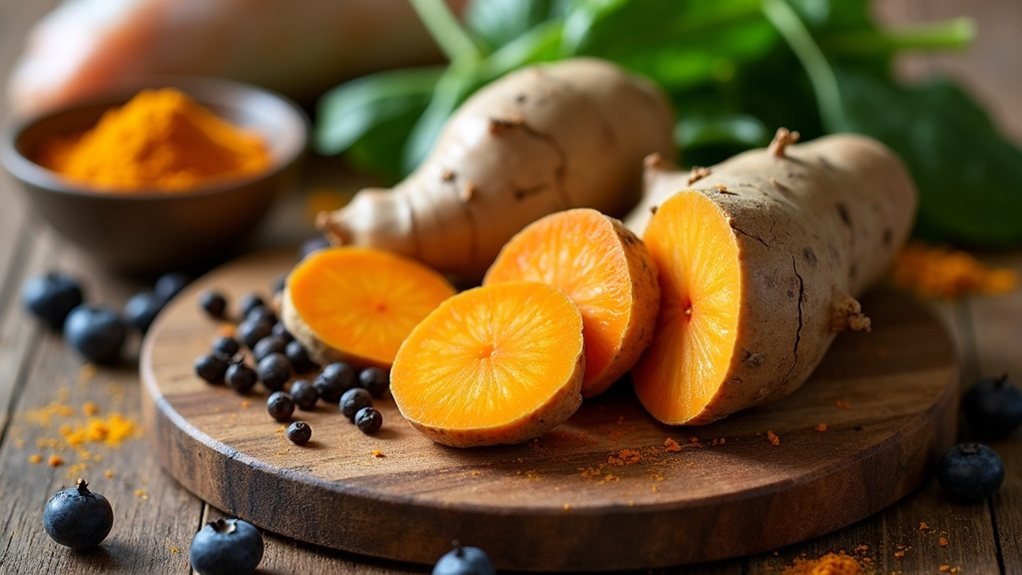
    Is turmeric actually helpful for knee pain?

    Is turmeric actually helpful for knee pain

    The honest answer is: probably yes, with some important caveats.

    The active compound in turmeric is curcumin. Curcumin has well-documented anti-inflammatory properties in laboratory research and has been studied in several clinical trials involving adults with knee osteoarthritis. Meta-analyses of those trials show meaningful improvements in self-reported pain and physical function compared to placebo. The effect sizes are modest but consistent across studies.

    The caveats matter. Study quality varies considerably. Many trials use concentrated curcumin supplements rather than culinary turmeric, which contains curcumin at much lower levels. And curcumin has a bioavailability problem: it absorbs poorly on its own. The body processes and eliminates it quickly before much of it reaches circulation.

    The practical solution to the bioavailability issue is straightforward. Combining turmeric with black pepper significantly increases absorption. Black pepper contains piperine, a compound that inhibits the metabolic pathway that breaks curcumin down before it can be absorbed. Studies suggest piperine increases curcumin bioavailability by up to 2,000 percent. Cooking with turmeric and black pepper together is the most accessible way to take advantage of that interaction.

    Where does this leave turmeric on the list? The research is encouraging rather than definitive. It is not at the level of omega-3s, where the evidence is deep and consistent. But it is a reasonable addition to an anti-inflammatory eating pattern, particularly when used in cooking alongside a fat source, which also aids absorption.

    Add it to cooking. Use it with black pepper. Keep expectations proportionate to what the evidence actually supports.

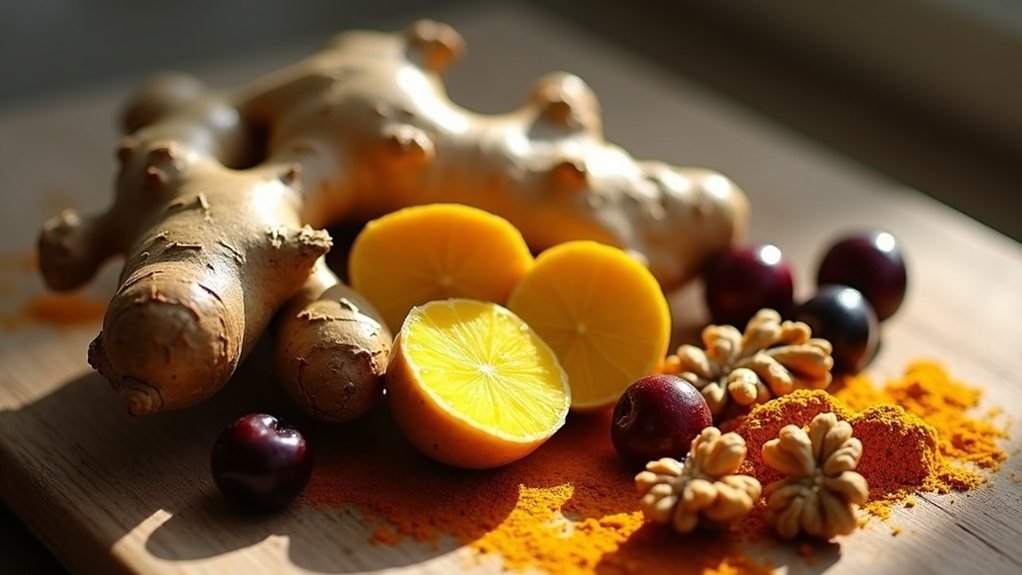
    Why does ginger show up in joint health research?

    Why does ginger show up in joint health research

    Ginger has been used for joint pain across a number of traditional medicine systems for centuries. The reason it keeps showing up in modern research is that the active compounds, gingerols and shogaols, have measurable effects on inflammatory pathways that are directly relevant to knee osteoarthritis.

    Specifically, gingerols and shogaols inhibit the production of inflammatory cytokines and have shown analgesic properties in several small trials. A 2015 meta-analysis by Bartels et al. looked at the pooled evidence from randomized placebo-controlled trials and found statistically significant reductions in pain and disability in adults with knee osteoarthritis who consumed ginger compared to placebo (Bartels et al., 2015).

    The honest framing on effect size: modest. Ginger is not a powerful standalone intervention. It is a useful contributor to an overall anti-inflammatory eating pattern, and the research supports including it on that basis.

    Practically, ginger is one of the more versatile items on this list. Fresh ginger, grated for cooking, adds flavor alongside its function. Dried ginger works in baking and spice rubs. Steeped as tea, it is one of the most accessible daily habits on the list, particularly for adults who find the idea of dietary change overwhelming. A cup of ginger tea in the morning is a small, consistent, zero-disruption addition that most people can sustain.

    Fresh and dried ginger both contain the active compounds, though fresh ginger has higher concentrations of gingerols specifically. Either form is a reasonable choice depending on what fits your cooking habits.

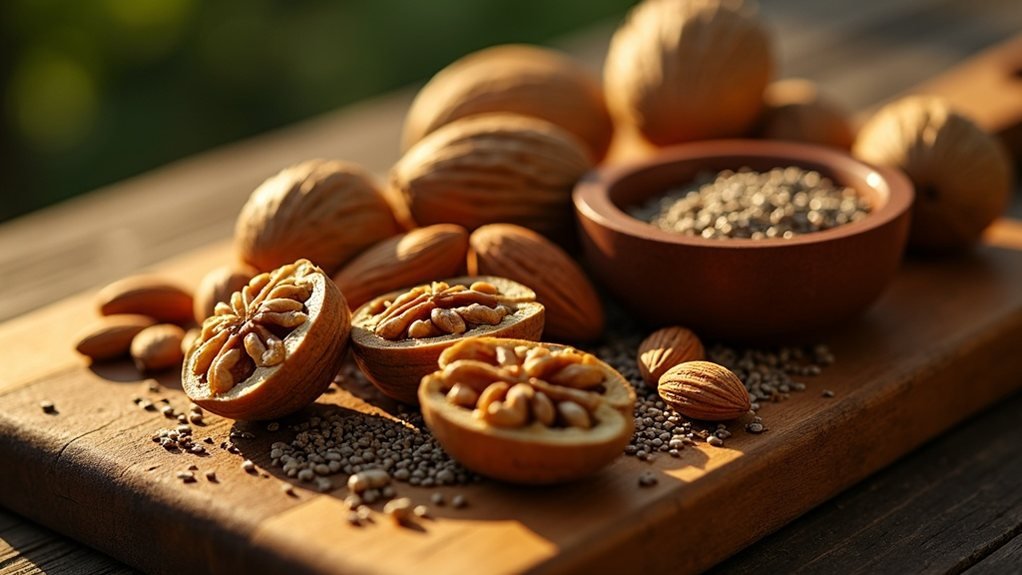
    What role do nuts and seeds play in reducing inflammation?

    What role do nuts and seeds play in reducing inflammation

    Nuts and seeds earn their place on this list through two different mechanisms, and understanding both helps you make better choices about which ones to prioritize.

    The first mechanism is omega-3 fatty acids. Walnuts, flaxseeds, and chia seeds are the plant kingdom’s most concentrated sources of ALA, an omega-3 fatty acid that the body can convert to EPA and DHA. The conversion rate is limited compared to getting EPA and DHA directly from fatty fish, somewhere between five and fifteen percent, depending on the individual. That limitation is worth knowing about honestly. Plant-based omega-3s are a useful contribution to overall intake, not a direct substitute for fatty fish.

    The second mechanism is vitamin E. Almonds, sunflower seeds, and hazelnuts are high in vitamin E, a fat-soluble antioxidant that reduces oxidative stress associated with chronic inflammation. For adults managing ongoing joint concerns, oxidative stress is a real contributor to the daily experience of discomfort. Vitamin E works on that piece specifically.

    Walnuts are worth highlighting because they sit at the intersection of both mechanisms. They are the highest ALA source among tree nuts, and they also carry meaningful antioxidant compounds. A small handful of walnuts as a daily snack is one of the simpler additions on this list and one of the more efficient ones in terms of what you get per serving.

    One practical note on form. Whole nuts and seeds retain their nutritional profile better than heavily processed versions. Nut butters made with just the nut and nothing else are a reasonable alternative. Products with added oils, sugar, or hydrogenated fats work against what you are trying to accomplish.

    How do you put anti-inflammatory eating into practice without overhauling your diet?

    How do you put anti-inflammatory eating into practice without overhauling your diet

    Seven foods are not a diet. It is a direction.

    Anti-inflammatory eating is not a protocol with rules you follow perfectly or abandon entirely. It is a pattern of consistent choices that, over weeks and months, shifts your body’s baseline inflammation in a direction that makes daily movement more manageable. The goal is not perfection. It is a gradual accumulation of small, sustainable additions.

    The foods that work against that direction are worth knowing about briefly. Refined sugar, processed seed oils, ultra-processed products, and refined carbohydrates consistently appear in research as drivers of systemic inflammation. You do not need to eliminate them entirely. Reducing their frequency and replacing them gradually with foods from this list is a more realistic and more durable approach than any version of starting over from scratch.

    A practical starting point. Pick one food from the seven and add it to something you are already eating this week. Not all seven. One. Sardines on the crackers you already buy. A handful of walnuts alongside the afternoon snack you already have. Frozen blueberries in the yogurt you already eat. One consistent addition over two weeks builds more than seven simultaneous changes that last four days.

    From there, add another. Then another. The pattern builds itself if you give it enough time and enough grace.

    This is one pillar of three. Movement and Mindfulness work alongside it. None of the three works as well alone as all three do together, and that combination is exactly what M3 is built on.

    Before making significant dietary changes, particularly if you are managing other health conditions, consult your physician. Nutritional guidance in this post is educational.

    Ready to Find Out What Your Body Can Do?

    It takes less than 3 minutes. No gym. No equipment. Just a simple test that shows you if your body can do more than it’s been telling you.

    Take the 3-Minute Knee Test

    M3 is a behavioral wellness coaching program. It is not medical treatment and does not replace advice from your physician. Consult your doctor before beginning any new movement or nutrition program.

    Wrap-up: The best anti-inflammatory foods for knee pain

    Food is not the whole answer. Anyone who tells you otherwise is selling something.

    But it is one real piece of a picture that most people managing knee pain have never been given completely. The joint gets all the attention. The environment the joint is operating in gets almost none. What you eat is part of that environment, and it is one of the few parts you can change starting today without waiting for an appointment, a prescription, or a program.

    The seven foods on this list work by lowering the baseline inflammation your knees are working against every single day. Not dramatically. Not overnight. Gradually, cumulatively, in a way that compounds over weeks and months of consistent choices.

    Fatty fish for the omega-3s that modulate your inflammatory response at the cellular level. Leafy greens for the vitamin K and antioxidants that support cartilage metabolism. Berries contain anthocyanins that inhibit the same enzyme pathways as common anti-inflammatories. Olive oil contains oleocanthal that does similar work more gently over time. Turmeric and ginger for their cumulative contributions to the same direction. Nuts and seeds provide plant-based omega-3s and vitamin E that fill in what the others do not cover.

    One food this week. Then another. That is the whole instruction.

    Movement works alongside this. So does how you manage the mental load of living with chronic joint concerns. All three pillars together are what produce lasting change. This post covers one of them.

    Ready to Find Out What Your Body Can Do?

    It takes less than 3 minutes. No gym. No equipment. Just a simple test that shows you if your body can do more than it’s been telling you.

    Take the 3-Minute Knee Test

    M3 is a behavioral wellness coaching program. It is not medical treatment and does not replace advice from your physician. Consult your doctor before beginning any new movement or nutrition program.

    Frequently Asked Questions

    What foods make knee inflammation worse?

    Refined sugar, processed seed oils, and ultra-processed products are the most consistent drivers of systemic inflammation in the research. Refined carbohydrates, alcohol consumed in large quantities, and trans fats also appear regularly as contributors. You do not need to eliminate all of these overnight. Reducing their frequency while gradually increasing the foods on the anti-inflammatory list is a more durable approach than any version of starting over completely.

    How long does it take for anti-inflammatory foods to work?

    Most research on dietary inflammation patterns looks at outcomes over eight to twelve weeks of consistent intake. You are unlikely to notice a dramatic shift in the first week. What most adults report after four to six weeks of consistent anti-inflammatory eating is a subtle reduction in the daily baseline of discomfort, less morning stiffness, and joints that feel somewhat more responsive to movement. The effect is gradual and cumulative, not acute.

    Do I need a special diet for knee pain?

    No. What the research supports is a directional shift in eating patterns, not a specific named diet or a set of rigid rules. Adding more of the seven foods covered in this post, reducing the foods that consistently drive inflammation, and doing both consistently over time is the whole approach. It fits inside whatever eating pattern you currently have rather than replacing it.

    Can food changes reduce knee swelling?

    Acute swelling following injury or a flare needs medical attention, and food choices are not the right intervention there. Chronic, low-grade joint inflammation that contributes to ongoing discomfort and stiffness is a different situation. Consistent anti-inflammatory eating has been shown to reduce inflammatory markers in the blood over time, which affects the chronic inflammatory component of knee osteoarthritis. That is not the same as reducing acute swelling, and the distinction matters.

    Is turmeric or ginger better for knee pain?

    They work through related but different mechanisms, and the research supports including both rather than choosing between them. Turmeric via curcumin has broader anti-inflammatory evidence, but a bioavailability limitation that is addressed by combining it with black pepper. Ginger, via gingerols and shogaols, has more specific trial evidence in knee osteoarthritis populations from the Bartels et al. 2015 meta-analysis. Used together in cooking, they contribute to the same overall direction without duplicating each other.

    What is the one dietary change that makes the biggest difference for knee pain?

    Replace refined seed oils with extra virgin olive oil as your primary cooking and finishing oil. It addresses the inflammatory baseline from two directions simultaneously: reducing a known driver of inflammation and adding oleocanthal, which inhibits the same COX pathways as common anti-inflammatory medications. It is also one of the most seamless substitutions on the list because it replaces something you are already using rather than adding something new.

    References

    Bartels, E. M., Folmer, V. N., Bliddal, H., Altman, R. D., Juhl, C., Tarp, S., Zhang, W., & Christensen, R. (2015). Efficacy and safety of ginger in osteoarthritis patients: A meta-analysis of randomized placebo-controlled trials. Osteoarthritis and Cartilage, 23(1), 13–21. https://doi.org/10.1016/j.joca.2014.09.024

    Beauchamp, G. K., Keast, R. S. J., Morel, D., Lin, J., Pika, J., Han, Q., Lee, C.-H., Smith, A. B., & Breslin, P. A. S. (2005). Phytochemistry: Ibuprofen-like activity in extra-virgin olive oil. Nature, 437(7055), 45–46. https://doi.org/10.1038/437045a

    Burdge, G. C., & Calder, P. C. (2005). Conversion of alpha-linolenic acid to longer-chain polyunsaturated fatty acids in human adults. Reproduction, Nutrition, Development, 45(5), 581–597. https://doi.org/10.1051/rnd:2005047

    Calder, P. C. (2013). Omega-3 polyunsaturated fatty acids and inflammatory processes: Nutrition or pharmacology? British Journal of Clinical Pharmacology, 75(3), 645–662. https://doi.org/10.1111/j.1365-2125.2012.04374.x

    Hewlings, S. J., & Kalman, D. S. (2017). Curcumin: A review of its effects on human health. Foods, 6(10), Article 92. https://doi.org/10.3390/foods6100092

    Minihane, A. M., Vinoy, S., Russell, W. R., Baka, A., Roche, H. M., Tuohy, K. M., Teeling, J. L., Blaak, E. E., Fenech, M., Vauzour, D., McArdle, H. J., Kremer, B. H. A., Sterkman, L., Vafeiadou, K., Benedetti, M. M., Williams, C. M., & Calder, P. C. (2015). Low-grade inflammation, diet composition and health: Current research evidence and its translation. British Journal of Nutrition, 114(7), 999–1012. https://doi.org/10.1017/S0007114515002093

    Seeram, N. P., Momin, R. A., Nair, M. G., & Bourquin, L. D. (2001). Cyclooxygenase inhibitory and antioxidant cyanidin glycosides in cherries and berries. Phytomedicine, 8(5), 362–369. https://doi.org/10.1078/0944-7113-00053

    Shea, M. K., & Booth, S. L. (2016). Concepts and controversies in evaluating vitamin K status in population-based studies. Nutrients, 8(1), Article 8. https://doi.org/10.3390/nu8010008