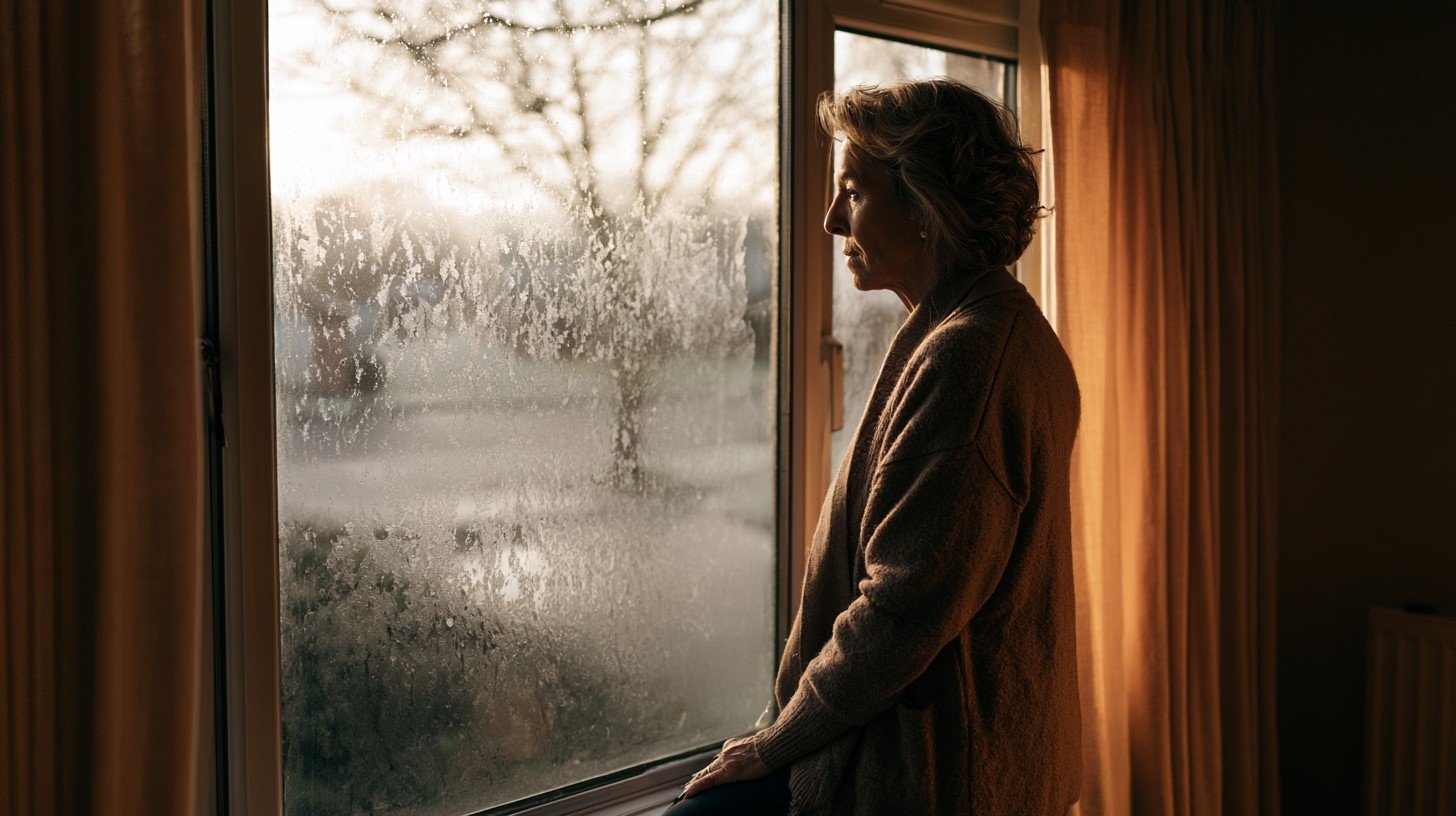
Harold noticed it every November. The first cold snap would arrive, and by morning, his knees felt like they needed twice as long to warm up. He asked me once whether the cold was making things worse or whether he was just imagining it.
The research has a clear answer. In a study of 28 older adults with knee OA, researchers measured pain, stiffness, and range of motion in both winter and summer. Winter produced significantly higher pain and stiffness and significantly lower total knee range of motion compared to summer (Iconaru et al., 2024). Cold weather knee stiffness is a real, documented biological response.
Key Takeaway
In 28 older adults with knee OA, winter produced significantly higher pain and stiffness and lower knee range of motion compared to summer (Iconaru et al., 2024). Across 14 studies, lower temperature was linked to more OA pain (Wang et al., 2023). In community-dwelling older adults aged 65-80, daily step counts were significantly lower in winter than in summer (Kimura et al., 2015).
This post covers what the research shows about cold weather knee stiffness, what is happening inside the joint, why cold weather reduces how much older adults walk, and what to do about it.
Ready to Find Out What Your Body Can Do?
It takes less than 3 minutes. No gym. No equipment. Just a simple test that shows you if your body can do more than it’s been telling you.
M3 is a behavioral wellness coaching program. It is not medical treatment and does not replace advice from your physician. Consult your doctor before beginning any new movement or nutrition program.
Table of Contents
Does cold weather make knee stiffness worse in people with knee OA?
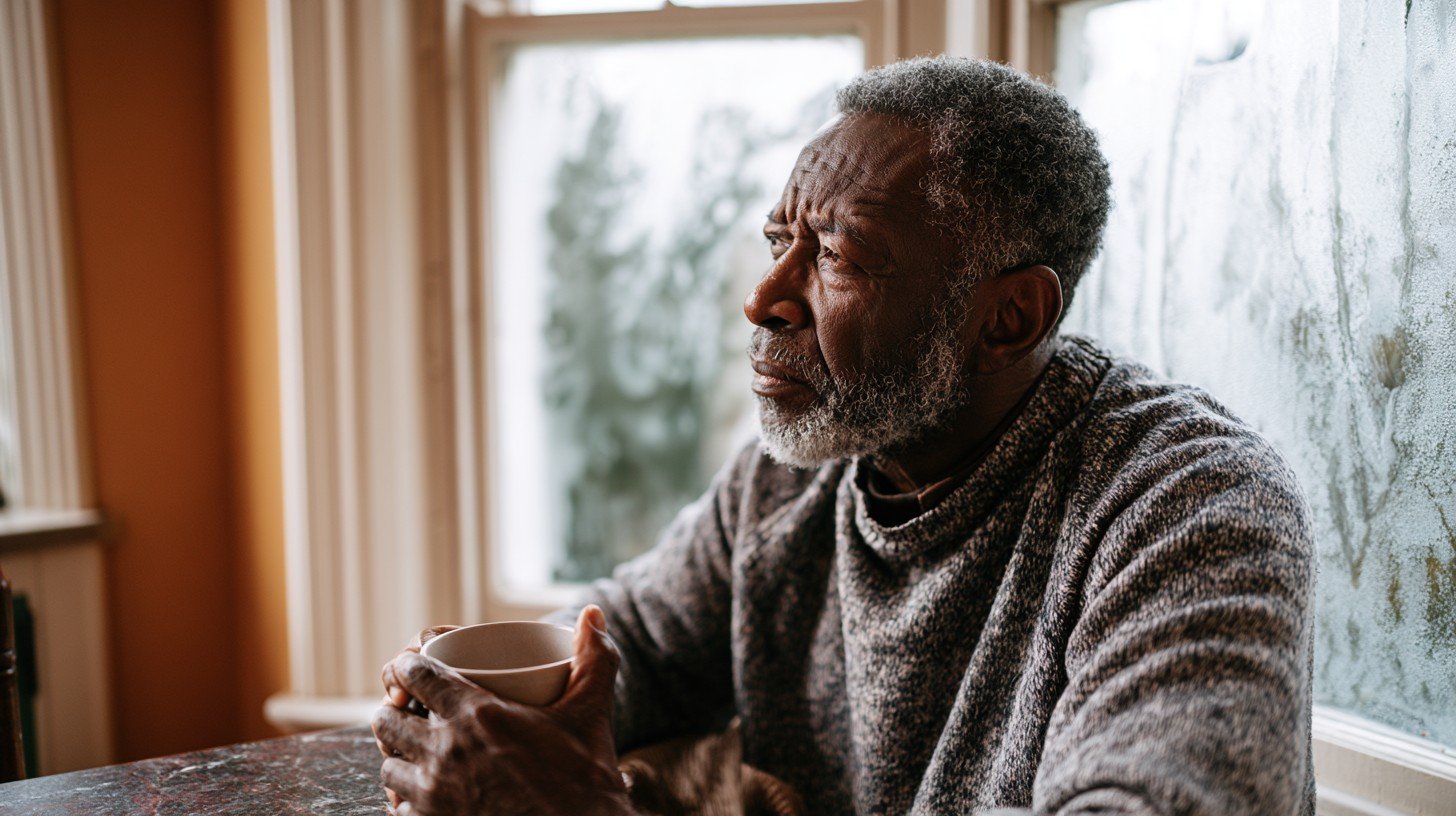
Yes, and research in older OA adults specifically confirms it.
In one study, 28 older adults with knee OA had their pain, stiffness, and total knee range of motion measured in both winter and summer. Pain and stiffness scores were significantly higher in winter. Total knee range of motion was significantly lower. The differences were consistent across both morning and evening measurements (Iconaru et al., 2024).
A larger review of 14 studies found that lower temperatures were linked to more OA pain, with a moderate negative correlation between temperature and pain intensity (Wang et al., 2023). The colder it gets, the more the joint tends to register it.
For adults like Harold who have wondered whether cold weather knee stiffness is real or imagined, both studies say the same thing: it is real, measurable, and specific to knee OA adults.
The connection between rainy weather and knee pain follows a similar pattern. Cold temperature and falling barometric pressure often arrive together, and both have documented effects on OA joints.
What is happening inside the joint when it gets cold?
Three things happen at the same time, and each one makes the joint harder to move.
Synovial fluid thickens. Every joint contains a lubricating fluid that helps it glide smoothly. When the temperature drops, this fluid gets thicker and moves less freely. The joint starts stiff because the lubricant is not flowing the way it does when the body is warm.
The soft tissues tighten. The tendons and ligaments around the knee contract slightly in cold. This reduces flexibility and makes every movement require a little more force than it would on a warm day.
Blood flow moves away from the joint. When the body gets cold, it protects the heart and lungs by sending more blood toward the center. The knees get less. Less blood flow means less warmth, which makes both effects above worse.
All three happen together. This is why cold weather knee stiffness is heaviest first thing in the morning. It is the same reason morning knee stiffness is most pronounced after a night of rest.
Why does cold weather lead to fewer steps and more stiffness?
Because cold makes movement harder, and when movement gets harder, most people do less of it. Less movement then makes stiffness worse the next day.
Why does cold weather lead to fewer steps and more stiffness?
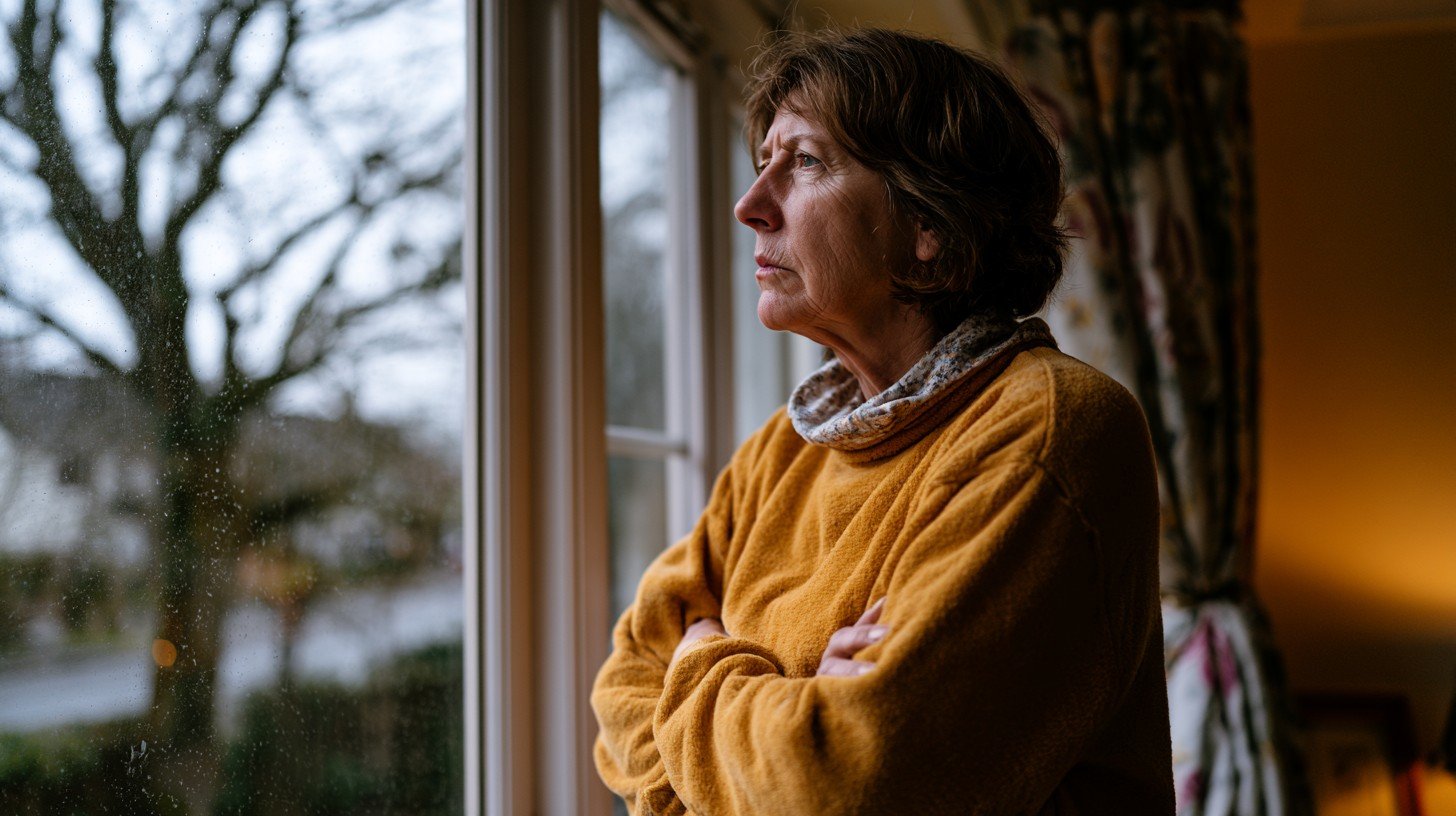
Because cold makes movement harder, and when movement gets harder, most people do less of it. Less movement then makes stiffness worse the next day.
In a study of 39 community-dwelling older adults aged 65 to 80, daily step counts were significantly lower in winter than in summer, reaching their lowest point in mid-winter. Temperature was directly linked to how much people moved each day (Kimura et al., 2015).
This study followed healthy older adults, not people with knee OA. But adults with knee OA already take fewer daily steps than healthy peers. When winter reduces the step count of healthy older adults, it does the same for OA adults starting from a lower baseline.
The loop runs like this. Cold stiffens the joint. Stiffer joints make the first steps feel harder. Harder starts lead to shorter walks or skipped ones. Less movement means less synovial fluid circulation. Less circulation means more cold weather knee stiffness the next morning.
Why does cold weather knee stiffness feel different from person to person?
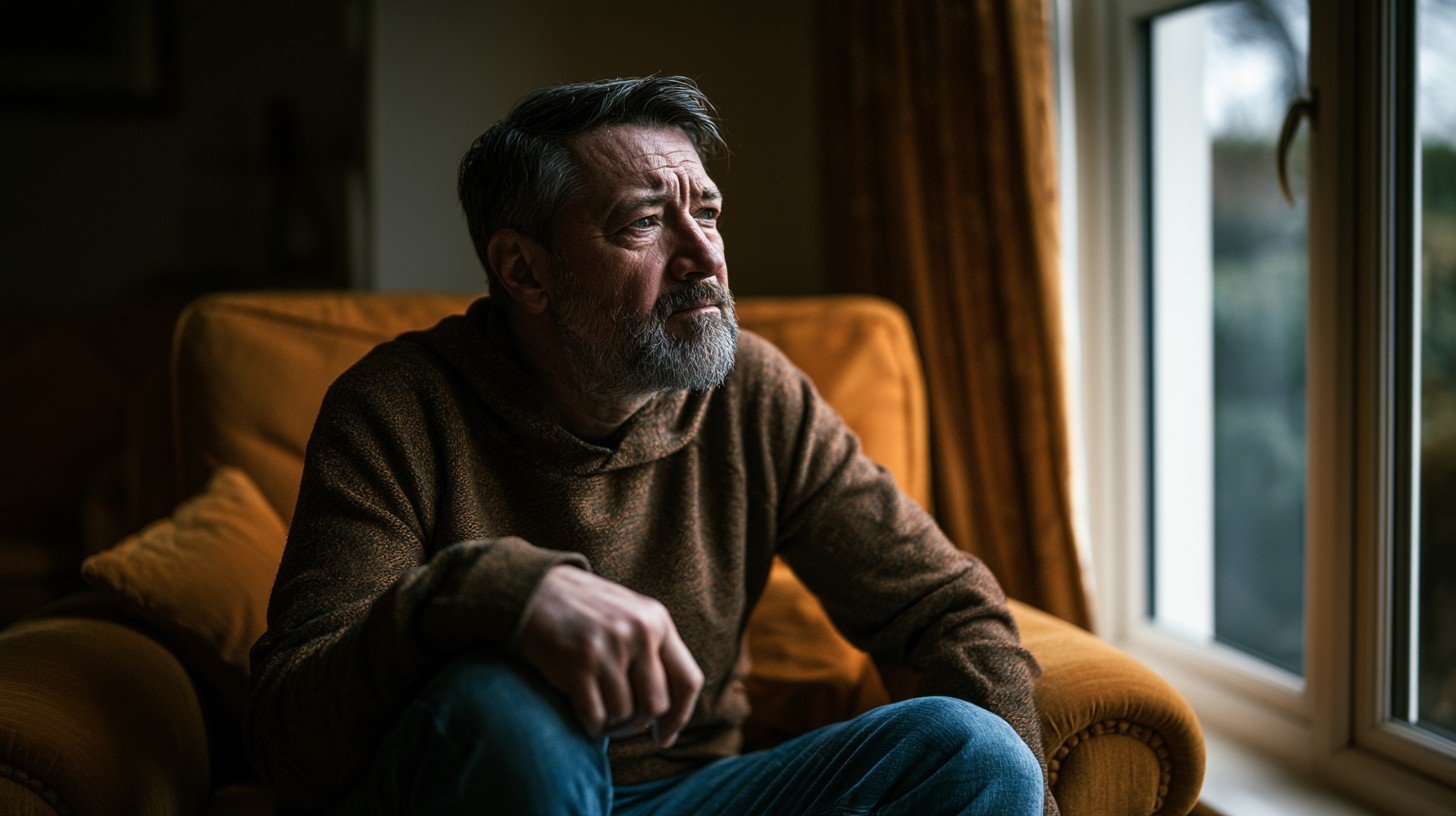
Because the joint everyone starts with is not the same.
The three mechanisms of cold affect everyone. But how much they matter depends on the condition of the joint they are affecting. A knee with healthy cartilage and good joint space has more buffer. Managing OA, reduced cartilage, or structural wear in the knee starts with less. The same temperature drop produces a bigger response.
This is why some adults feel cold weather knee stiffness sharply, while others in the same household barely register it. The difference is not about pain tolerance. It is a structural difference in what the joint is already managing before the cold arrives.
Adults who feel the cold very intensely in their knees are, on average, carrying more underlying joint change. Feeling it is not an exaggeration. It is useful information.
This same structural sensitivity explains why knee pain is often worse at night. Rest, reduced movement, and cooler temperatures all expose the same underlying vulnerability that cold weather activates.
How do you keep your knees moving when it is cold?

By adjusting how the walk starts, not whether it happens.
Warm up the joint first.
Ten minutes with a heating pad, a warm shower, or thermal leggings before going out gives the synovial fluid time to thin and the soft tissues time to loosen. The first step should not be the coldest one.
Move indoors on the hardest days.
A hallway, a mall, or slow movement through the house counts. The joint needs movement, not outdoor conditions.
Keep the joint warm while walking.
A knee sleeve or thermal legging holds joint temperature higher throughout the walk, reducing how much the cold mechanisms set in while you are moving.
Shorten the walk but keep the habit.
Cold weather knee stiffness gets worse when the walking habit breaks, not when the walk is shorter. Ten minutes is better than zero. The goal is walking 30 minutes. Cold weather is one of the obstacles on the path to it, not a reason to stop.
Wrap-up: Cold weather knee stiffness
Harold eventually understood that November was not the enemy. His joints were responding to the cold the way they are built to. The question was what to do about it.
Cold weather knee stiffness has a documented cause and a documented behavioral consequence. The joint fluid gets thicker. Soft tissues tighten. Blood flow moves away from the knee. Winter also takes daily step counts to their lowest point of the year. The stiffness and the reduced walking feed each other.
The goal is walking 30 minutes. Cold weather knee stiffness makes it harder in winter than in other seasons. Understanding what is causing it makes it more manageable.
Cold weather knee stiffness is one piece of a larger picture. The complete guide to knee pain relief for adults over 55 covers the full approach across every season.
Ready to Find Out What Your Body Can Do?
It takes less than 3 minutes. No gym. No equipment. Just a simple test that shows you if your body can do more than it’s been telling you.
M3 is a behavioral wellness coaching program. It is not medical treatment and does not replace advice from your physician. Consult your doctor before beginning any new movement or nutrition program.
Frequently Asked Questions
Is cold weather or wet weather harder on knee OA?
Research suggests both affect OA joints through different mechanisms. Cold temperature thickens synovial fluid and reduces blood flow. Wet weather works mainly through drops in barometric pressure. Many adults find cold weather knee stiffness more limiting day to day because temperature affects how the joint moves, while barometric pressure changes are more closely tied to pain sensitivity.
Does wearing a knee sleeve in cold weather help with stiffness?
Yes. A knee sleeve keeps the joint warmer than the surrounding air, which helps the synovial fluid stay at a more workable consistency and reduces how much the soft tissues around the knee tighten in cold. It does not fix the underlying OA, but on cold mornings and cold walks, it gives the joint a head start. A thermal or neoprene sleeve provides the most warmth.
How long does it take for cold weather knee stiffness to ease once you warm up?
For most adults with knee OA, cold weather knee stiffness begins to ease within 15 to 30 minutes of gentle movement and warmth. The synovial fluid thins as joint temperature rises and blood flow returns as the body warms up. Starting with a heating pad, a warm shower, or light indoor movement before a walk can shorten that window.
Does cold weather permanently damage knee joints?
No. Cold weather makes existing joint conditions feel worse by changing how the joint fluid and surrounding tissues respond to temperature, but it does not accelerate cartilage loss or cause structural damage on its own. The greater long-term risk from cold weather is the reduced movement it causes. When the walking habit breaks over weeks of cold, stiffness tends to worsen.
Should you push through cold weather knee stiffness or rest?
Neither. Pushing through before the joint has warmed up increases the risk of pain during the walk. Resting entirely breaks the movement habit and makes stiffness worse the next day. The better approach is to warm up first, start slowly, and keep the walk shorter than usual if needed. The joint tends to loosen within the first few minutes once it is warm.
Does moving to a warmer climate help with knee stiffness?
Some adults with knee OA do report fewer high-stiffness mornings in consistently warm climates. Cold weather knee stiffness is a real, temperature-driven response, so removing the cold reduces one trigger. But OA is driven by many factors beyond weather. Movement habits, dietary patterns, and overall activity level have a more consistent influence on OA symptoms than geography does.
References
Iconaru, E. I., Tarcau, E., & Ciucurel, C. (2024). The influence of weather conditions on the diurnal variation in range of motion in older adults with knee osteoarthritis. Journal of Clinical Medicine, 13(1), 254. https://doi.org/10.3390/jcm13010254
Kimura, T., Kobayashi, H., Nakayama, E., & Kakihana, W. (2015). Seasonality in physical activity and walking of healthy older adults. Journal of Physiological Anthropology, 34(1), 33. https://doi.org/10.1186/s40101-015-0071-5
Wang, L., Xu, Q., Chen, Y., Zhu, Z., & Cao, Y. (2023). Associations between weather conditions and osteoarthritis pain: A systematic review and meta-analysis. Annals of Medicine, 55(1), 2196439. https://doi.org/10.1080/07853890.2023.2196439