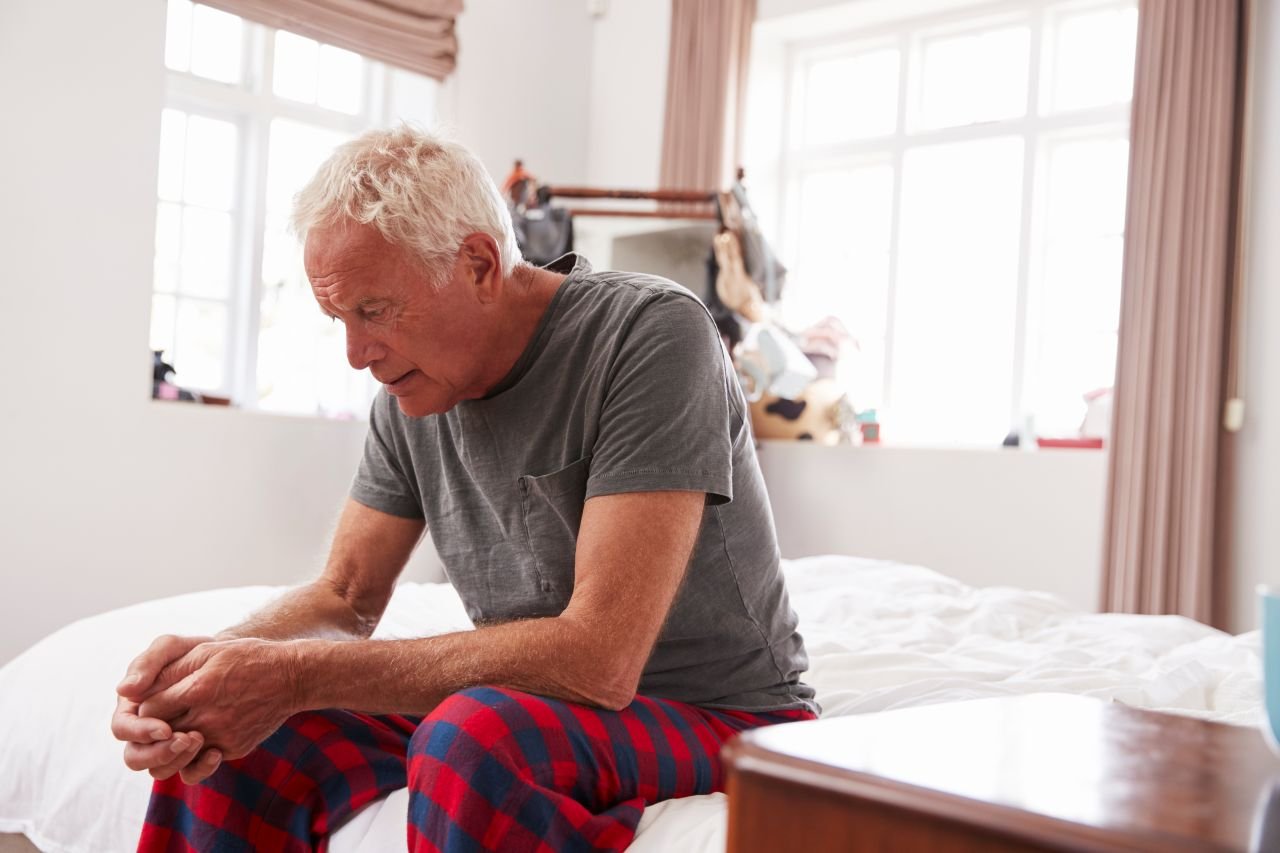
Beverly tracked her sleep for three weeks before our first session. Nights she slept poorly were followed by days when her knees felt heavier and her walks felt harder. She assumed pain was keeping her awake. The research on inflammation and sleep quality over 55 shows the mechanism runs in the other direction too.
A meta-analysis of 72 studies totaling more than 50,000 adults found that sleep disturbance was significantly associated with elevated CRP and IL-6, two well-established markers of systemic inflammation. The association held across cohort studies after controlling for age, weight, and health status (Irwin et al., 2016). Poor sleep does not just leave adults tired. It leaves them measurably more inflamed.
Key Takeaway
In a meta-analysis of 72 studies in more than 50,000 adults, sleep disturbance was associated with higher CRP and IL-6, both markers of systemic inflammation (Irwin et al., 2016). Among older adults with slow gait speed, elevated IL-6 and CRP independently predicted major mobility disability, defined as the inability to walk a quarter mile (Beavers et al., 2021).
This post covers what the research shows about inflammation and sleep quality over 55, why the effect compounds with age, how elevated inflammation affects walking ability, and what the three-pillar approach offers in response.
Ready to Find Out What Your Body Can Do?
It takes less than 3 minutes. No gym. No equipment. Just a simple test that shows you if your body can do more than it’s been telling you.
M3 is a behavioral wellness coaching program. It is not medical treatment and does not replace advice from your physician. Consult your doctor before beginning any new movement or nutrition program.
Table of Contents
What does research show about inflammation and sleep quality over 55?
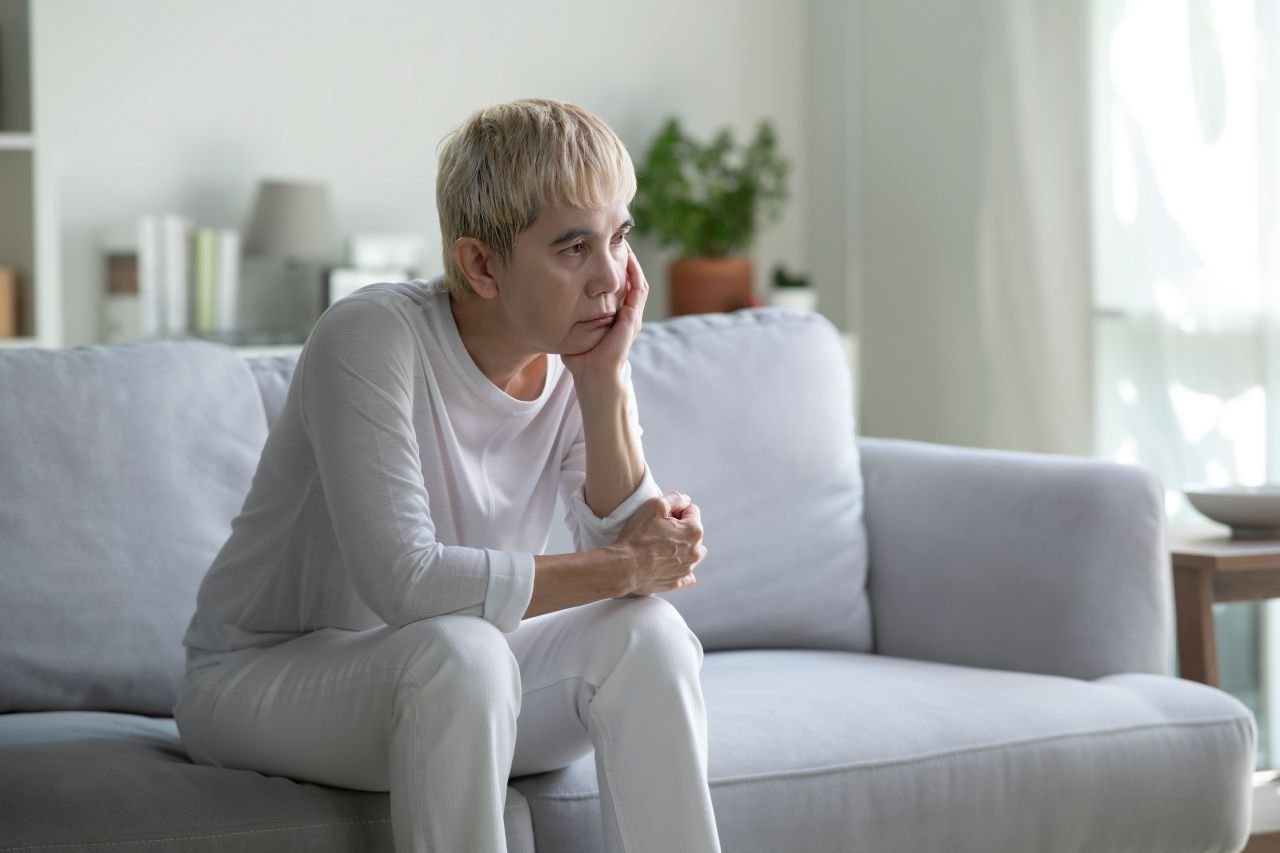
A consistent association, documented across more than 50,000 adults in multiple independent cohort studies.
The meta-analysis analyzed 72 studies assessing CRP and IL-6 across participants with varying sleep profiles. Sleep disturbance was associated with higher CRP (effect size 0.12, 95% CI 0.05 to 0.19) and higher IL-6 (effect size 0.20, 95% CI 0.08 to 0.31). Both shorter and longer sleep durations were associated with elevated CRP. Long sleep duration was also associated with higher IL-6. The associations held after controlling for demographic and health variables (Irwin et al., 2016).
Disrupted, inconsistent, or insufficient sleep across the normal range produces measurable inflammatory effects at the population scale. Not just extreme deprivation.
For adults who have noticed that inflammation and sleep quality over 55 seem to move together, this research confirms that the observation is biologically grounded. The relationship between sleep and knee pain is well established at the behavioral level. The mechanism that drives it is what this research makes visible.
What is inflammaging, and why does it matter after 55?

Inflammaging is the term researchers use for the chronic low-grade systemic inflammation that increases with normal aging. Not inflammation triggered by infection or injury. The background level, the baseline inflammatory activity that rises gradually as the body ages, even in otherwise healthy adults.
Adults over 55 are already carrying higher baseline inflammation than they did at 35. When poor sleep adds to that baseline, the starting point is higher, and the compound effect is larger. The threshold at which elevated inflammatory markers begin to affect physical function and walking capacity is reached sooner.
This is not a disease. It is a documented feature of normal aging. What matters is that two of the most modifiable contributors to inflammaging are sleep quality and physical activity. Beverly’s pattern of poor nights followed by harder walks is not random. It is inflammation and sleep quality over 55, compounding each other on a weekly cycle.
How does elevated inflammation affect the ability to walk?
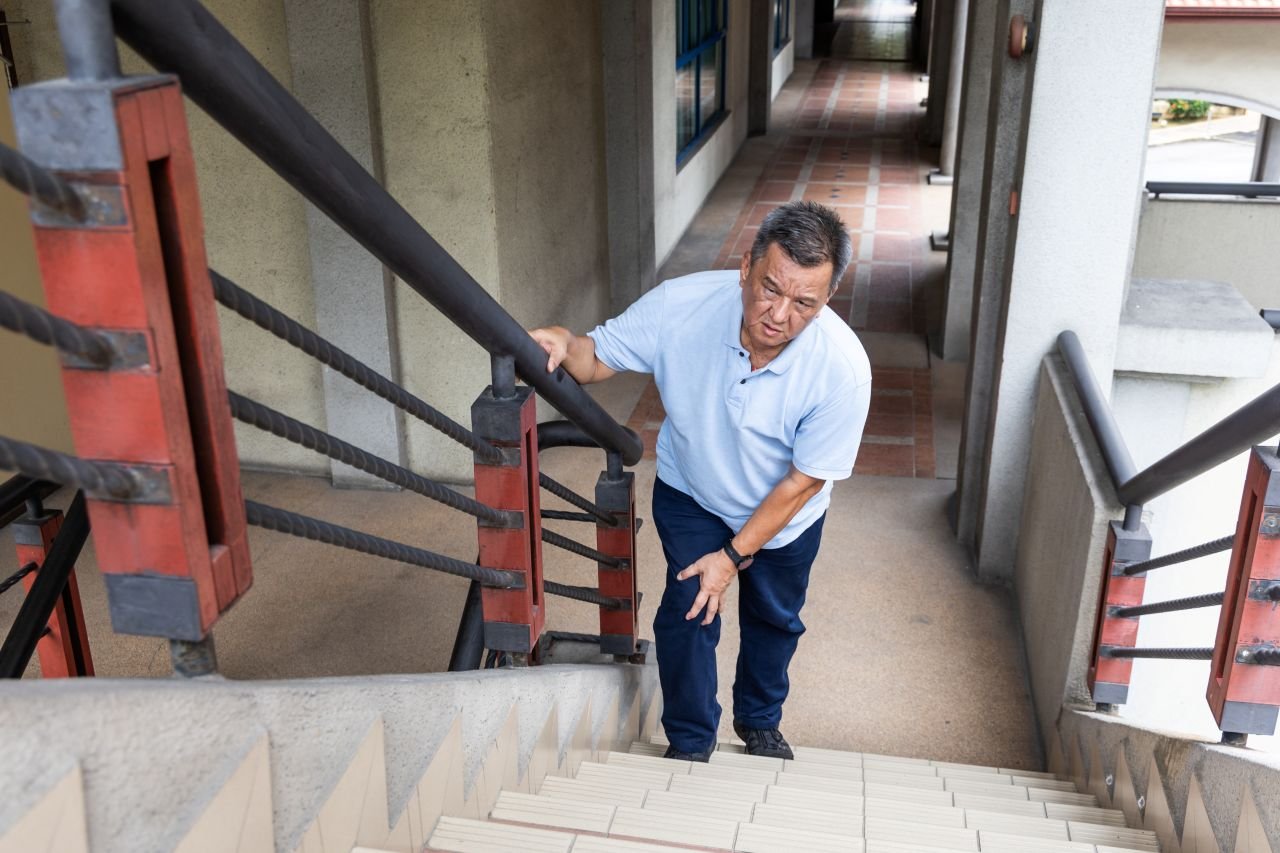
By narrowing the margin the body has to sustain consistent movement.
A pooled analysis of three independent cohorts of older adults aged 68 and older found that IL-6 levels above 2.5 pg/mL and CRP levels above 3.0 mg/L each independently predicted major mobility disability. When both markers were elevated together, the risk compounded (Beavers et al., 2021).
Major mobility disability means the inability to walk a quarter mile. That is approximately 400 meters, about eight minutes of steady walking at a comfortable pace. For an adult working toward a 30-minute walk, that threshold is not abstract.
Chronically elevated IL-6 and CRP reduce the system’s reserve capacity for consistent movement. The joint is already managing structural load. Add elevated inflammatory markers, and the margin for walking gets narrower with each poor night’s sleep.
This is also part of why knee pain is often worse at night. Inflammation and sleep quality over 55 interact across the full daily cycle, not just during waking hours.
What does the inflammation-sleep loop mean day to day?
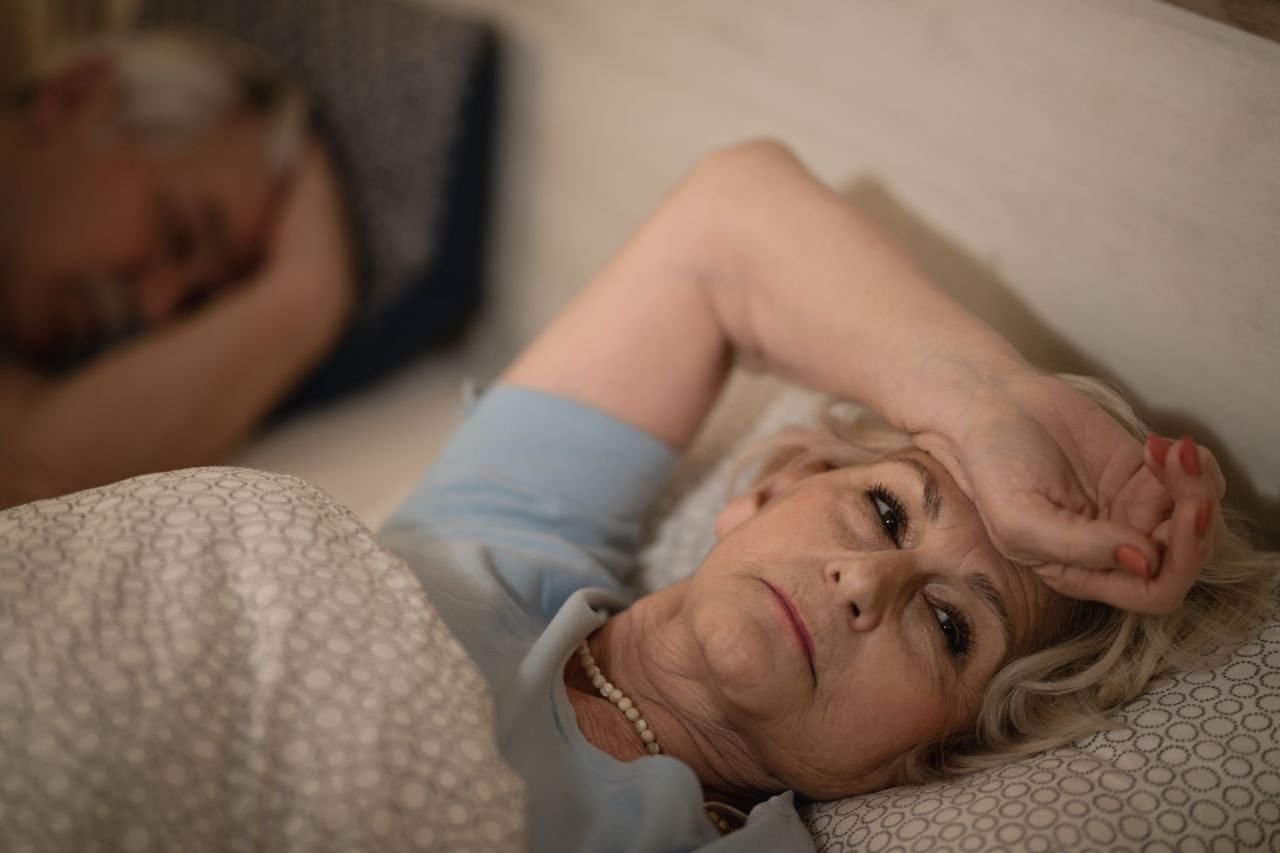
It means Beverly’s three-week pattern was not a coincidence. It was a documented biological cycle playing out on a weekly schedule.
Poor sleep elevates CRP and IL-6. Elevated inflammatory markers increase joint pain sensitivity and reduce physical energy. Harder walks get cut short or skipped. Less movement compounds the inflammatory load rather than reducing it. A less active body produces more background inflammation, which feeds back into the next night’s sleep.
The loop does not require a triggering event. It sustains itself through the normal daily decisions of an adult over 55 managing joint pain. A run of poor nights sets it in motion. Inactivity keeps it running.
What interrupts it is addressing all three contributing factors rather than one at a time. Anti-inflammatory foods for knee pain are one pillar of that approach. Inflammation and sleep quality over 55 is the mechanism that those choices are targeting.
How do you address inflammation and sleep quality over 55?
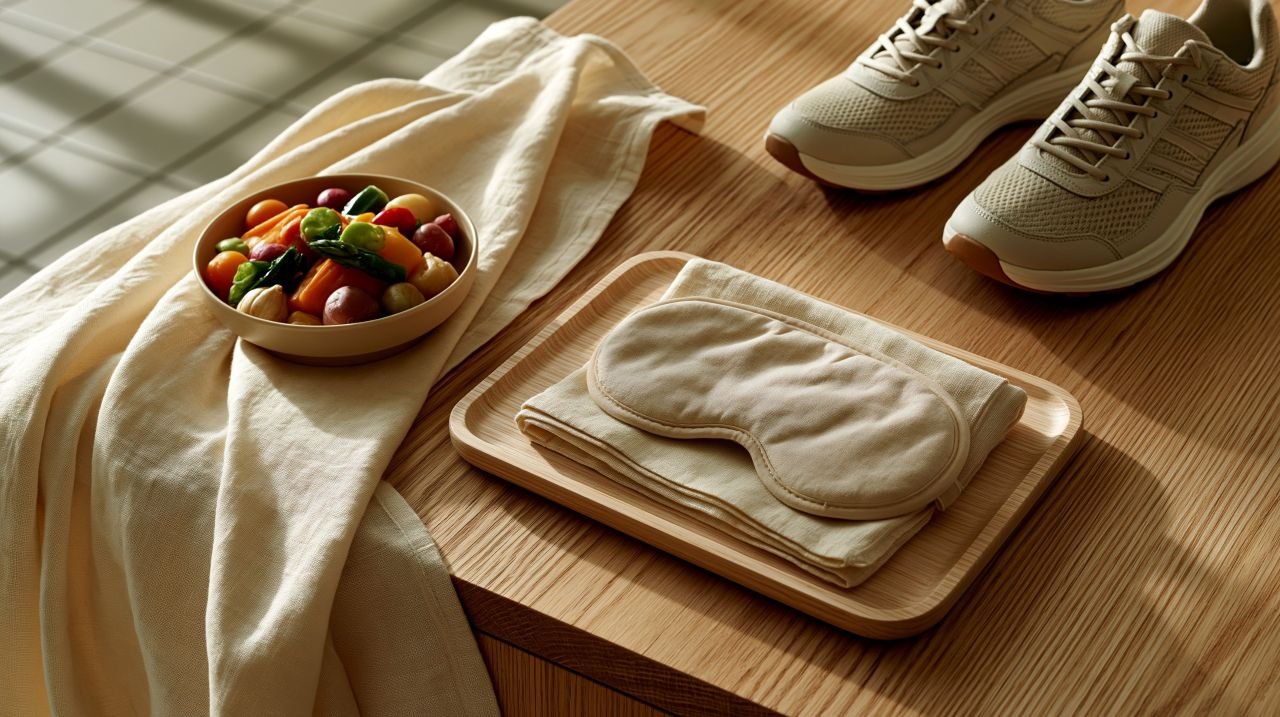
By working on all three contributing factors rather than treating sleep and movement as separate problems.
No single intervention reverses inflammaging. What the research supports is that the three factors maintaining the loop are each modifiable. Sleep quality improves with consistent timing and lower background pain levels. Inflammatory load responds to dietary patterns and physical activity. Consistent low-intensity walking is associated with reduced circulating inflammatory markers in older adults over time.
The 30-minute walking goal is not arbitrary here. It represents the level of consistent daily movement at which the exercise-inflammation relationship shifts in a favorable direction for older adults. Not one long walk occasionally. Consistent short walks, building toward 30 minutes over 90 days.
Beverly’s log became more useful after she understood that inflammation and sleep quality over 55 were not two separate things to fix. They were one system to address. Sleep, Meals, and Movement are three levers on the same mechanism.
Wrap-up: Inflammation and sleep quality over 55
Beverly came in with a sleep log and a pattern she could not explain. The research explains it. Poor sleep elevates the inflammatory markers that independently predict impaired walking in older adults. Inflammaging means the effect compounds more readily after 55 than at any earlier stage.
The three things that break the loop are the same three things the research supports: sleep quality, dietary patterns that reduce inflammatory load, and consistent movement. None works in isolation. All three address the same mechanism from different directions.
The goal is walking 30 minutes. Inflammation and sleep quality over 55 determine how much reserve capacity the body has to reach that goal each week.
Inflammation and sleep quality over 55 is one piece of a larger picture. The complete guide to knee pain relief for adults over 55 covers the full three-pillar approach.
Ready to Find Out What Your Body Can Do?
It takes less than 3 minutes. No gym. No equipment. Just a simple test that shows you if your body can do more than it’s been telling you.
M3 is a behavioral wellness coaching program. It is not medical treatment and does not replace advice from your physician. Consult your doctor before beginning any new movement or nutrition program.
Frequently Asked Questions
What are CRP and IL-6 and why do they matter for sleep?
C-reactive protein (CRP) and interleukin-6 (IL-6) are proteins the body produces in response to inflammation and among the most studied markers of systemic inflammatory activity in older adults. Elevated levels are associated with joint pain, fatigue, reduced physical function, and disrupted sleep. They are the measurable signal researchers use when studying inflammation and sleep quality over 55 at a biological rather than symptomatic level.
Does everyone over 55 experience inflammaging?
To varying degrees, yes. Inflammaging is a normal feature of the aging immune system rather than a disease. Its severity varies based on genetics, lifestyle, body composition, and overall health. Adults who are physically active, eat anti-inflammatory foods, and sleep consistently tend to show lower baseline inflammatory markers than sedentary peers at the same age. The tendency is normal. How pronounced it becomes is significantly modifiable.
Can you improve inflammation and sleep quality over 55 without medication?
Yes, and the research supports behavioral approaches as the primary starting point. Consistent physical activity, anti-inflammatory dietary patterns, and sleep hygiene practices have each been associated with reduced inflammatory markers in older adults. No single change produces dramatic results, but the combination of all three applied consistently over weeks creates a meaningful cumulative effect on the biological loop connecting sleep and inflammation.
Does poor sleep cause inflammation, or does inflammation cause poor sleep?
Both directions are documented. Poor sleep elevates CRP and IL-6. Elevated inflammatory markers are associated with disrupted sleep architecture, increased pain sensitivity, and fatigue that makes restorative sleep harder to achieve. The practical implication for inflammation and sleep quality over 55 is that both sides of the loop are worth addressing simultaneously, rather than treating one as the primary cause.
Does exercise help with inflammation and sleep quality over 55?
Yes, consistently in older adult populations. Moderate-intensity physical activity, including walking, is associated with reduced circulating IL-6 and CRP over time. Even modest daily movement produces meaningful anti-inflammatory effects when maintained across weeks rather than in single intense sessions. Sustained moderate activity, not occasional high-intensity exercise, produces the most reliable reductions in inflammatory markers. The consistency matters more than the intensity.
How much sleep does an adult over 55 need to avoid elevating inflammation?
Research consistently points to 7 hours as the amount associated with the lowest inflammatory marker levels in older adults. The meta-analysis found both shorter and longer sleep duration associated with higher CRP, with the lowest risk in the middle range. For adults managing inflammation and sleep quality over 55, the goal is not simply sleeping more. It is sleeping consistently, at a regular time, with adequate duration.
References
Beavers, D. P., Kritchevsky, S. B., Gill, T. M., Ambrosius, W. T., Anton, S. D., Fielding, R. A., King, A. C., Rejeski, W. J., Lovato, L., McDermott, M. M., Newman, A. B., Pahor, M., Walkup, M. P., Tracy, R. P., & Manini, T. M. (2021). Elevated IL-6 and CRP levels are associated with incident self-reported major mobility disability: A pooled analysis of older adults with slow gait speed. The Journals of Gerontology: Series A, 76(12), 2293–2299. https://doi.org/10.1093/gerona/glab093
Irwin, M. R., Olmstead, R., & Carroll, J. E. (2016). Sleep disturbance, sleep duration, and inflammation: A systematic review and meta-analysis of cohort studies and experimental sleep deprivation. Biological Psychiatry, 80(1), 40–52. https://doi.org/10.1016/j.biopsych.2015.05.014