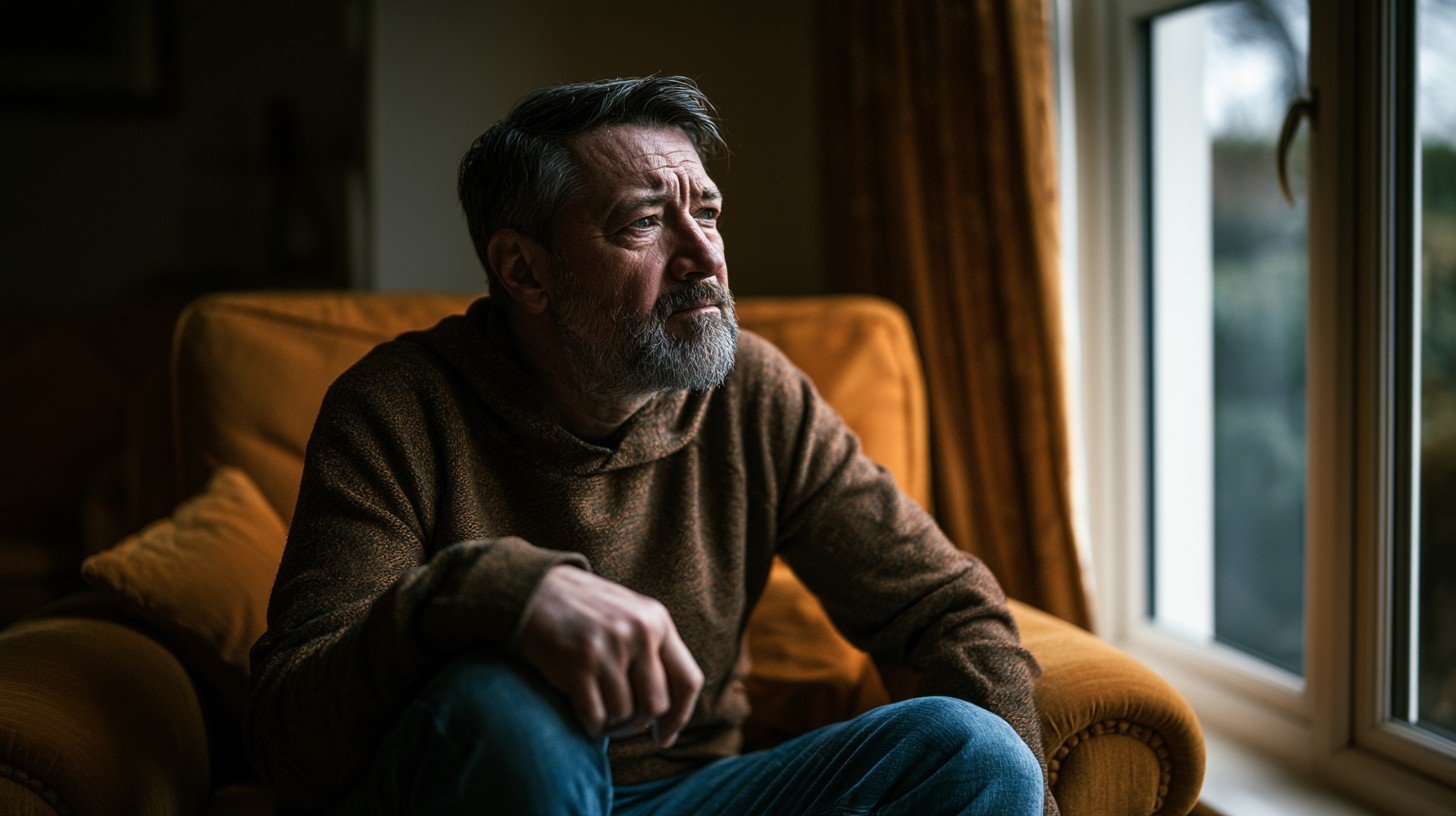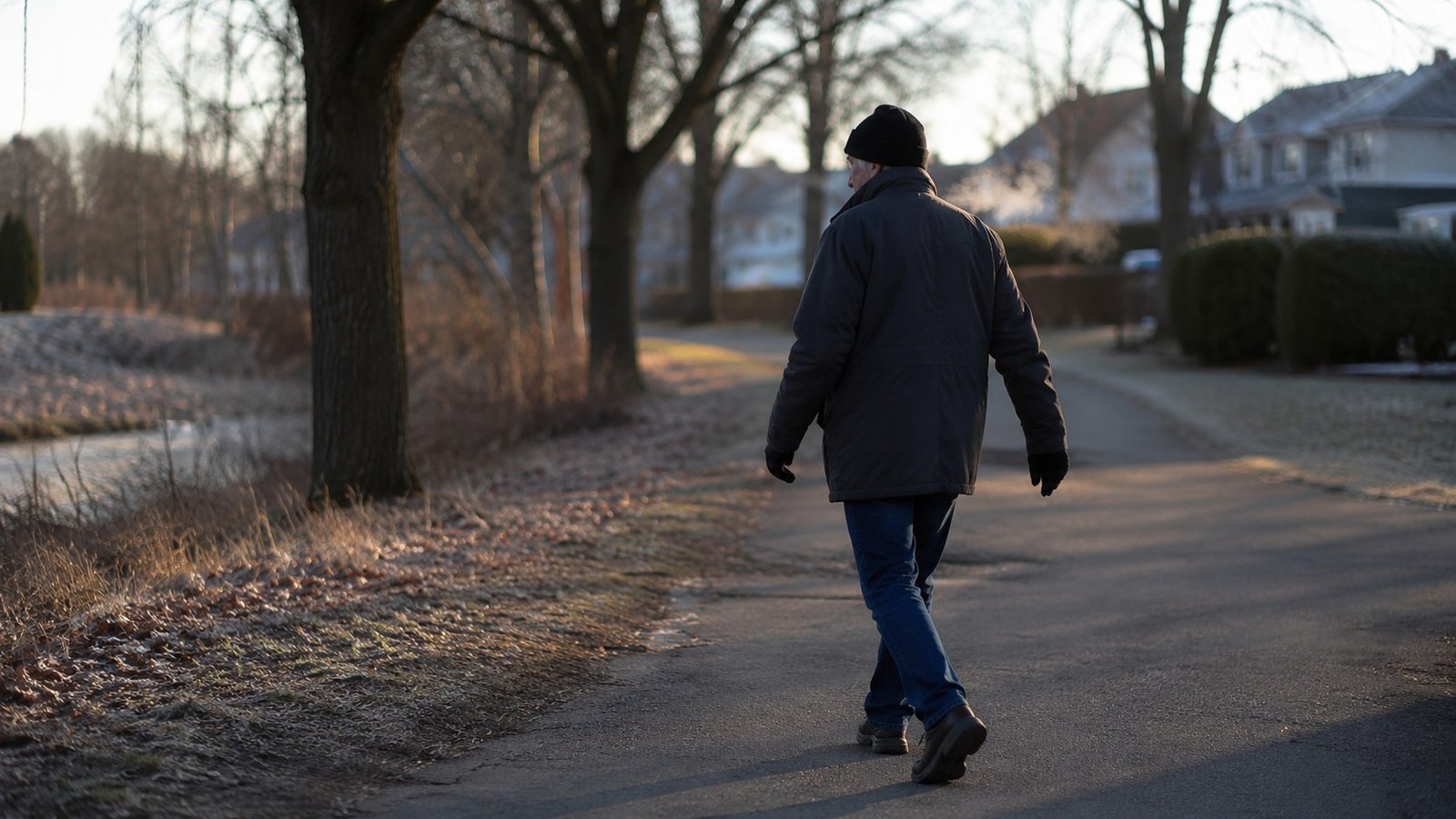
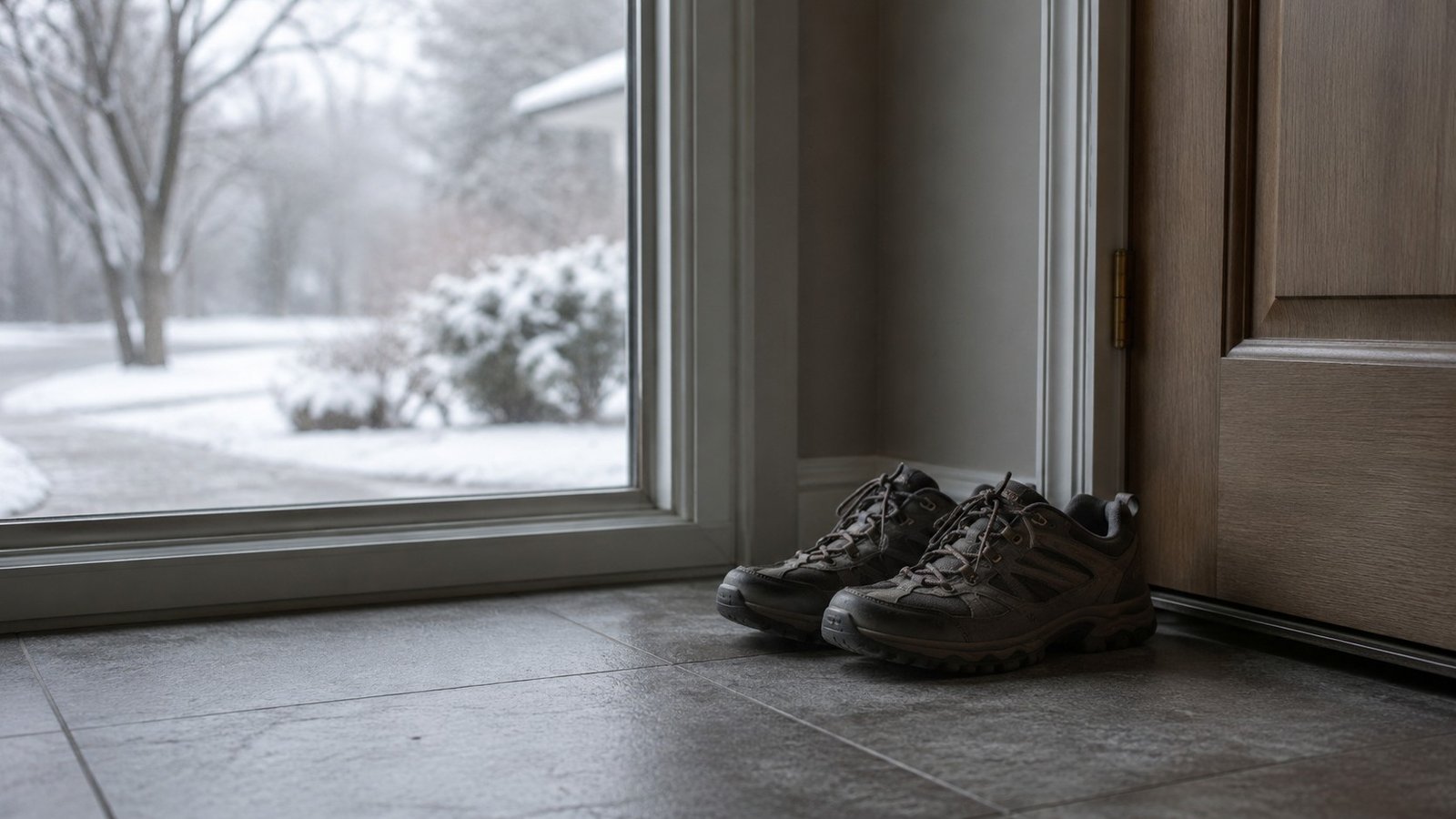
Vincent could read the season in his knees. Every fall, as the temperature slid down, the stiffness crept in, and by real winter, he had usually parked his walking shoes by the door until spring. He was sure the cold made walking impossible, so why fight it?
The truth turned out to be more useful. The research on cold and knees is genuinely mixed. Some studies find lower temperatures track with more joint pain, while others find no clear link at all (Wang et al., 2023; Ferreira et al., 2016). But here is the part that changes things, and it is why these knee pain cold weather exercise tips matter: the real problem in winter is not the ache, it is that people quietly stop moving.
Key Takeaway
Cold weather and knee pain have a real but modest connection. A review of 14 studies found weather conditions, including temperature, are associated with osteoarthritis pain (Wang et al., 2023). In older adults, season measurably affects knee stiffness and how far the joint moves (Iconaru et al., 2024). Yet not every study agrees that the weather drives pain (Ferreira et al., 2016), which is why having a plan matters more than winning the debate.
These cold weather exercise tips for knee pain are built around one idea: keep moving. Here is what the rest of the post covers. You will see whether cold really worsens knee pain, why winter shrinks how much you move, the best knee pain cold weather exercise tips for staying active, how to protect the habit on rough days, and when to call your doctor.
Ready to Find Out What Your Body Can Do?
It takes less than 3 minutes. No gym. No equipment. Just a simple test that shows you if your body can do more than it’s been telling you.
M3 is a behavioral wellness coaching program. It is not medical treatment and does not replace advice from your physician. Consult your doctor before beginning any new movement or nutrition program.
Table of Contents
Does cold weather really make knee pain worse, or is that a myth?

The honest answer is that it is neither fully true nor fully myth. Plenty of people swear their knees forecast the weather, and that experience is real, not imagined. The research leans their way, but only partly. A review of 14 studies found that weather conditions, including lower temperatures, are associated with more osteoarthritis pain (Wang et al., 2023). An older study of 200 people with knee osteoarthritis found that shifts in temperature and barometric pressure tracked with pain, though the effect was modest (McAlindon et al., 2007).
Then there is the other side. A careful study of 345 people with knee osteoarthritis found no clear link between weather changes and pain flares at all (Ferreira et al., 2016). So the science is split, and you do not need to settle it. Whether the cold is the cause or just the backdrop, the knee pain cold weather exercise tips that follow work the same way. If you want the deeper science on the connection, this looks at why knees hurt when it rains and digs into it. What matters now is what you do next. That is where the right cold weather exercise tips come in.
Why does winter quietly shrink how much you move?
This is the part that matters more than the weather debate. When it turns cold, people move less, often without noticing. In a study of older adults, daily step counts were meaningfully higher in summer than in winter; the same people simply walked less once the season turned (Kimura et al., 2015). Another study tracking community adults over 70 found that cold temperatures, wind, and snow all measurably lowered their daily activity (Jones et al., 2017).
That slow shrinking is the real threat to your knees, not the ache itself. A joint that stops moving gets stiffer, the supporting muscles weaken, and come spring, you are starting over from further back than where you left off. The knee pain cold weather exercise tips that help most are the ones that keep the habit alive through the cold months, even in a smaller form. The cold-weather stiffness itself is worth understanding too, and this guide on cold weather knee stiffness covers it. The goal is simple: do not let winter quietly walk off with the progress you worked for.
Good cold weather exercise tips are really habit-protection tips in disguise.”
What are the best knee pain cold weather exercise tips for staying active?
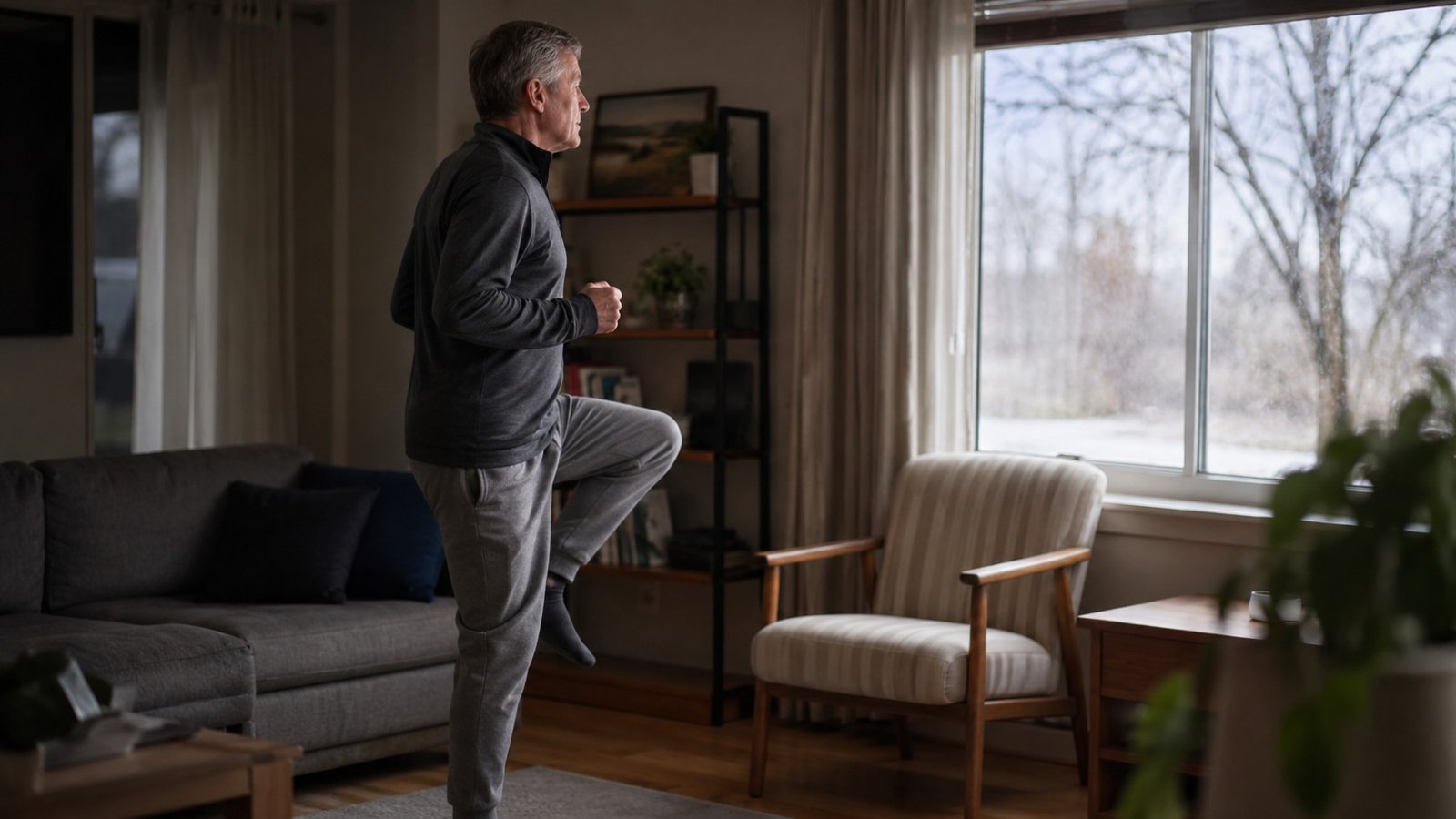
Start by warming the joint before you ask anything of it. A few minutes of easy indoor movement before you head out gets blood flowing, so the first cold steps are not a shock. Marching in place works, and so does a slow lap of the house or some gentle knee bends. Think of it like letting an engine warm up before you drive it in the cold.
Then dress for the joint, not just the weather. Layers keep the muscles around the knee loose, and a knee sleeve adds warmth right where you want it. Keep an indoor option ready for the days when the cold or ice makes outside a bad idea. A few laps of a hallway or some time on a treadmill counts just as much as a walk around the block.
And mind your footing, because a fall does far more damage than a cold walk ever could. These knee pain cold weather exercise tips are not about pushing through harsh conditions. They are about adjusting so the cold stops being a reason to stop.
How do you keep your walking habit alive on the worst weather days?
You shrink the walk instead of skipping it. The research backs why this matters: when cold, wind, and snow set in, older adults measurably cut their activity, and those skipped days add up fast (Jones et al., 2017). The danger is not one missed walk. It is that one missed walk becomes a missed week, and the habit slips away while you wait for better weather.
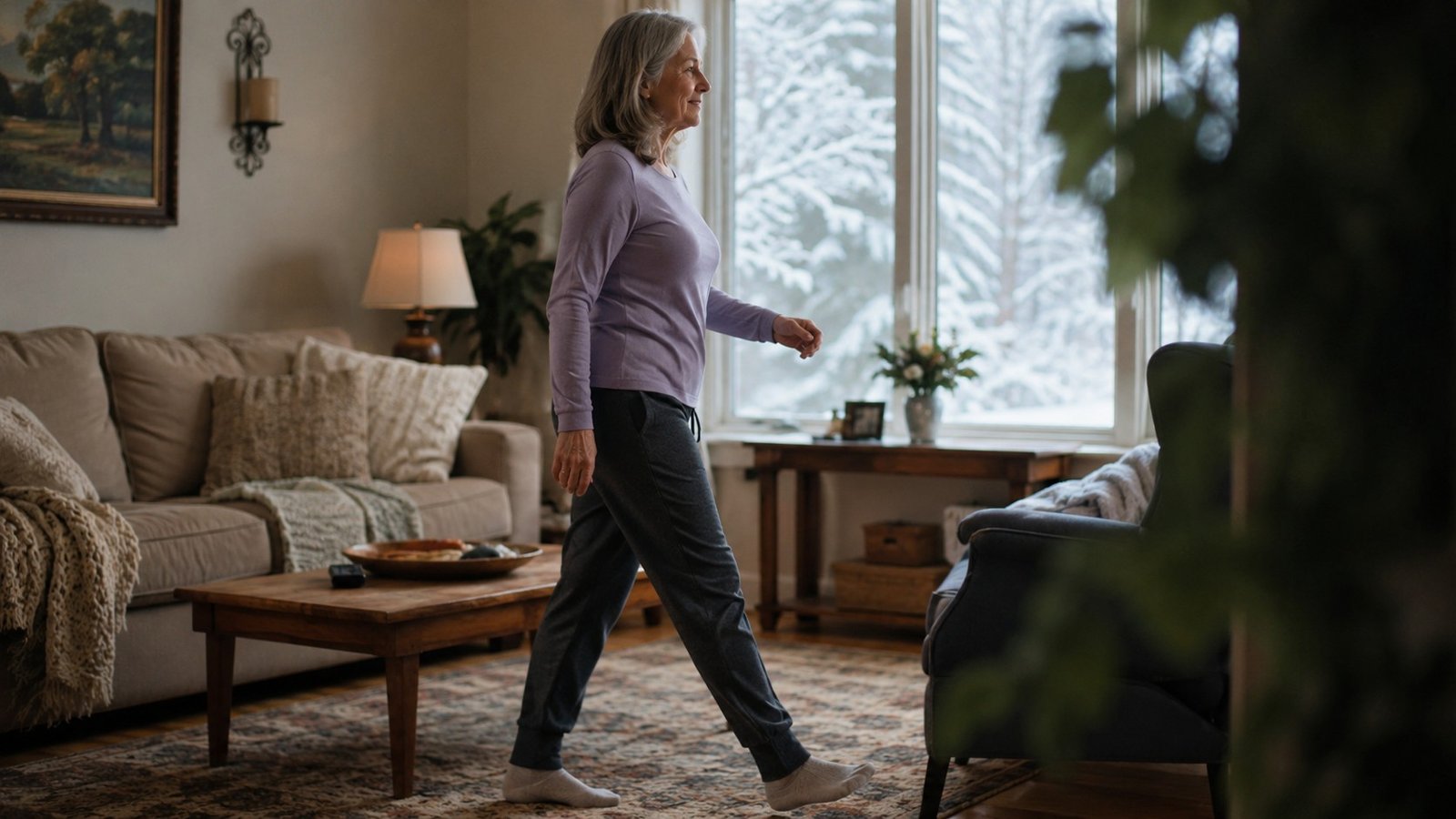
So on the worst days, drop the bar instead of the habit. Two minutes of marching in the kitchen is enough, and a few slow laps of the living room will do just as well. The point is to keep being someone who still moves, even when the walk is barely a walk.
These knee pain cold weather exercise tips work because they make the cold-day decision small. Not “do I bundle up and brave the storm,” just “do I move a little, right here, right now.” That is a question you can almost always say yes to, and saying yes is what carries the habit through to spring.
When should cold-weather knee pain prompt a call to your doctor?
Most cold-weather knee aches are the ordinary stiffness this post has been about, the kind that eases once you warm up and get moving. Some signs, though, deserve a professional’s eyes rather than a warm-up and a walk. If your knee swells or locks up, if it gives way under you, or if the pain is sharp rather than stiff, that is worth a call. The same goes for pain that lingers and worsens over days instead of easing with gentle movement and warmth.
A good rule of thumb: stiffness that improves as you move is usually fine to work with, while pain that movement makes worse is worth a conversation. Trust what your knee is telling you over any blanket advice, including these knee pain cold weather exercise tips. Speak with your physician before starting a new exercise routine if you have any doubts about what your knee can handle. Getting that cleared up early is what lets you keep moving with confidence the rest of the season.
Wrap-up: knee pain cold weather exercise tips
So what changed for Vincent? He stopped treating the first cold snap as the end of his walking season. Instead of arguing about whether the weather was to blame, he warmed up indoors, dressed for the joint, and kept his walks going in a smaller form when the cold bit hardest. By spring, he was not starting over. He was right where he left off.
Three honest things are worth carrying. The cold-pain link is real for many people but modest, and the science is not settled, so you do not have to win that argument. The bigger risk is the movement that quietly disappears in winter, not the ache itself. And the win on a hard day is simply moving a little, because that keeps the habit alive.
The goal underneath it has not changed: a comfortable 30-minute walk you finish without cutting it short, in any season. These knee pain cold weather exercise tips are about protecting it, so the cold does not take it from you. The complete guide to knee pain relief for adults over 55 brings the full approach together in one place. Vincent walks year-round now. The season stopped getting a vote.
Ready to Find Out What Your Body Can Do?
It takes less than 3 minutes. No gym. No equipment. Just a simple test that shows you if your body can do more than it’s been telling you.
M3 is a behavioral wellness coaching program. It is not medical treatment and does not replace advice from your physician. Consult your doctor before beginning any new movement or nutrition program.
Frequently Asked Questions
Why do knees feel stiffer in cold weather?
Cold tends to tighten the muscles and tissues around the joint, which can make the knee feel stiffer and harder to move. Some researchers also believe the fluid inside the joint gets a little thicker in the cold, adding to that creaky feeling. On top of that, people move less when it is cold, and less movement means more stiffness. Gentle activity and keeping the joint warm usually loosen it back up.
Is it better to use heat or ice for knee pain in winter?
Heat is usually the better choice for the stiff, achy knees that come with cold weather, because warmth relaxes tight muscles and improves blood flow before activity. A warm shower, a heating pad, or a warm wrap can ease that stiffness. Ice is more useful after an activity if a knee is swollen or inflamed. A simple rule: warmth to loosen up beforehand, cold to calm swelling afterward.
What indoor exercises are good for knee pain in winter?
Plenty of joint-friendly options keep you moving without going outside. Walking laps indoors, marching in place, gentle seated leg lifts, and a stationary bike are all easy on the knees. Many people also do well with water walking at an indoor pool, since the water takes pressure off the joint. The goal is steady, comfortable movement most days, not intensity, so pick whatever you will actually keep doing.
Should you exercise outside in the cold with knee arthritis?
Yes, many people with knee arthritis can exercise outdoors in the cold safely, as long as they warm up first and dress warmly. The bigger concerns are slippery surfaces and going too hard, too fast on a stiff joint. Warming up indoors before heading out and wearing good traction helps a lot. On icy or bitterly cold days, moving indoors instead is the smarter, safer choice.
Does cold weather cause permanent damage to knees?
No, cold weather does not damage the knee joint or cause arthritis to progress. It can make existing stiffness and pain feel worse temporarily, but that discomfort passes as you warm up and move. The lasting harm in winter comes indirectly, from becoming inactive, which weakens the muscles that support the knee. Staying gently active through the cold months protects the joint far more than hiding from the weather does.
Why are knees stiffer in the morning during winter?
Knees often feel stiffest in the morning because the joint has been still for hours, and cold overnight temperatures can make that worse. Staying put lets fluid settle, and muscles tighten, so the first movements of the day feel creaky. A warm shower and a few gentle movements before you get going can ease it. The stiffness usually loosens within a few minutes of moving around.
References
Ferreira, M. L., Zhang, Y., Metcalf, B., Makovey, J., Bennell, K. L., March, L., & Hunter, D. J. (2016). The influence of weather on the risk of pain exacerbation in patients with knee osteoarthritis: A case-crossover study. Osteoarthritis and Cartilage, 24(12), 2042–2047. https://doi.org/10.1016/j.joca.2016.07.016
Iconaru, E. I., Ciucurel, M. M., Tudor, M., & Ciucurel, C. (2024). The influence of weather conditions on the diurnal variation in range of motion in older adults with knee osteoarthritis. Journal of Clinical Medicine, 13(1), 254. https://doi.org/10.3390/jcm13010254
Jones, G. R., Brandon, C., & Gill, D. P. (2017). Physical activity levels of community-dwelling older adults are influenced by winter weather variables. Archives of Gerontology and Geriatrics, 71, 28–33. https://doi.org/10.1016/j.archger.2017.02.012
Kimura, T., Kobayashi, H., Nakayama, E., & Kakihana, W. (2015). Seasonality in physical activity and walking of healthy older adults. Journal of Physiological Anthropology, 34(1), 33. https://doi.org/10.1186/s40101-015-0071-5
McAlindon, T., Formica, M., Schmid, C. H., & Fletcher, J. (2007). Changes in barometric pressure and ambient temperature influence osteoarthritis pain. The American Journal of Medicine, 120(5), 429–434. https://doi.org/10.1016/j.amjmed.2006.07.036
Wang, L., Xu, Q., Chen, Y., Zhu, Z., & Cao, Y. (2023). Associations between weather conditions and osteoarthritis pain: A systematic review and meta-analysis. Annals of Medicine, 55(1), 2196439. https://doi.org/10.1080/07853890.2023.2196439