
One question I hear more than almost any other is this: “Coach D, does walking help knee arthritis, or does it make things worse?”
It is a fair question. When your knees hurt, walking feels like the last thing you should be doing. The instinct is to rest, protect, and wait for something to change.
But here is what the research actually shows about whether walking helps knee arthritis. A study following more than 1,200 adults with knee osteoarthritis found that those who walked for exercise had 40% lower odds of developing frequent knee pain compared to those who did not (Lo et al., 2022). Same diagnosis. Very different outcomes. The difference was whether walking was happening consistently.
If you have been wondering whether walking helps knee pain or makes things worse, the answer is clearer than most people realize.
KEY TAKEAWAY
Yes. Walking for exercise helps with knee pain. Adults with knee osteoarthritis who walk regularly have significantly lower odds of developing frequent knee pain and show less structural joint damage over time compared to those who do not walk (Lo et al., 2022).
Here is what the research shows about how walking protects the knee, how much you need, and what to watch out for as you build the habit.
Ready to Find Out What Your Body Can Do?
It takes less than 3 minutes. No gym. No equipment. Just a simple test that shows you if your body can do more than it’s been telling you.
M3 is a behavioral wellness coaching program. It is not medical treatment and does not replace advice from your physician. Consult your doctor before beginning any new movement or nutrition program.
Table of Contents
Does walking actually help knee arthritis?
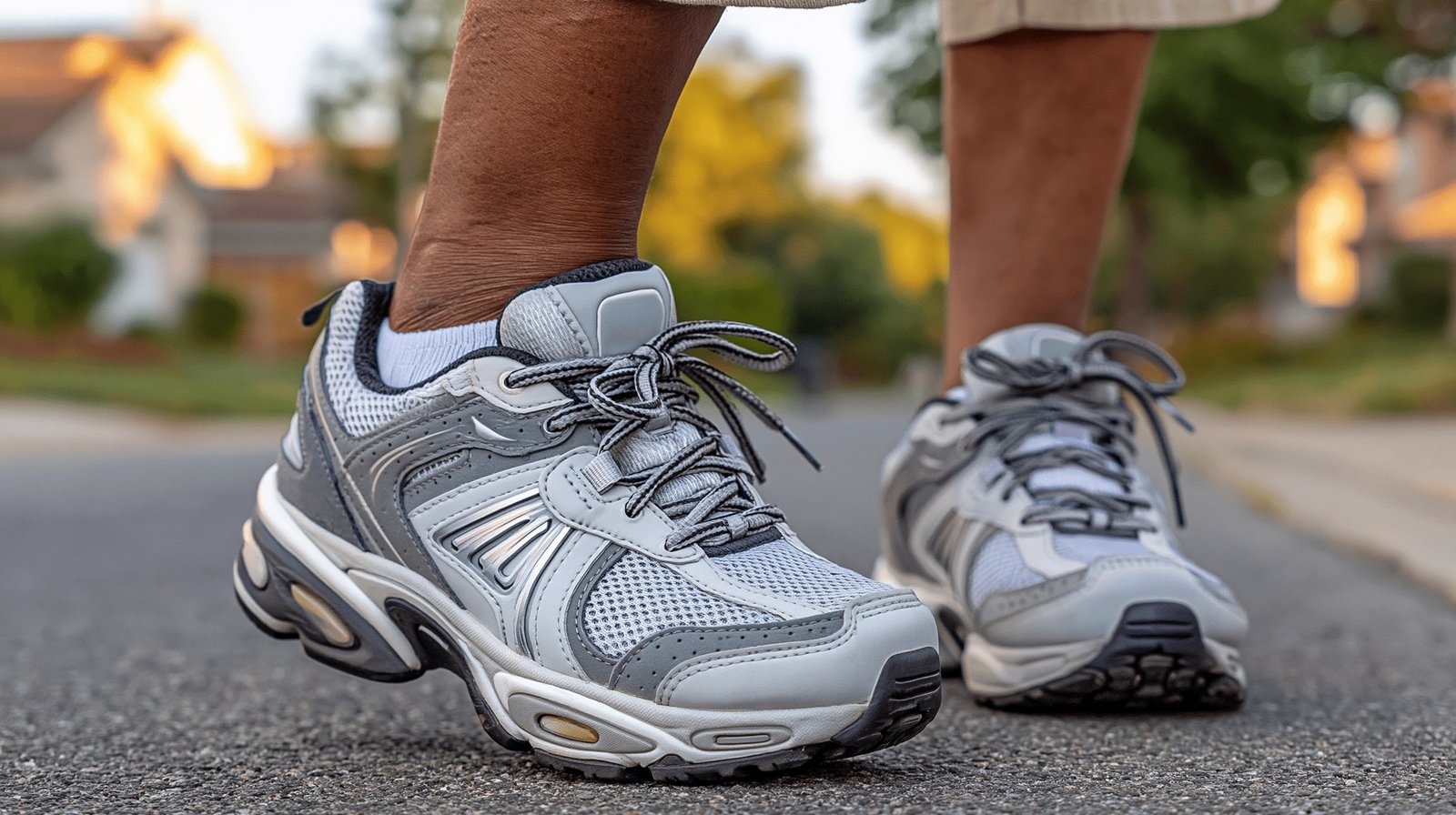
The short answer is yes. And the evidence behind that answer is more substantial than most people with knee arthritis have ever been told.
Does walking help knee arthritis? A large observational study of more than 1,200 adults with knee osteoarthritis found that those who walked for exercise had 40% lower odds of developing frequent knee pain compared to those who did not (Lo et al., 2022). The walkers also showed less structural joint damage on X-ray over the follow-up period. Same diagnosis. Less progression. The difference was consistent walking.
What makes this finding particularly meaningful is the population it studied. These were adults aged 50 and older who already had radiographic evidence of osteoarthritis. Not people trying to prevent the condition. People who already had it. And walking still made a measurable difference.
There is also a statistic worth knowing on the other side of this. Only 39% of adults with osteoarthritis receive a referral or recommendation to exercise from their primary care provider (Keogh et al., 2024). That means the majority of people with knee arthritis are never told about the one intervention with the clearest evidence behind it. If nobody told you walking was this effective, that is not an oversight on your part. It is a gap in how osteoarthritis care gets delivered.
How does walking protect your knee joint?

Think of cartilage like a sponge. It has no blood supply of its own. The only way it receives nutrients and stays healthy is through movement. Every step you take compresses the cartilage and squeezes fluid out, then as the weight lifts, fresh nutrient-rich fluid flows back in. Stop moving, and the cartilage starts to starve.
That is why walking to help knee arthritis is a better question than most people think to ask. Joints are not like car tires grinding down with use. They are living tissue that depends on movement for repair. The research describes it more accurately as a process of wear and repair, and walking tips that balance in your favor.
Walking also strengthens the muscles that surround your knee. Those muscles, particularly the quadriceps, are your joints’ primary shock absorbers. When they are strong, they take on the load that would otherwise fall directly on the cartilage and bone. Research on aerobic walking for knee osteoarthritis consistently shows that this muscle-building effect reduces both pain and functional limitation over time (Roddy et al., 2005).
There is one more thing worth knowing. Fewer than 4 in 10 adults with osteoarthritis are ever referred to exercise by their primary care provider (Keogh et al., 2024). Most people who wonder whether walking helps knee arthritis never get a clear answer from the people treating them. The research has been available for decades. It just has not been making its way into the room where it matters most.
What does the research actually show?

The research on walking and knee osteoarthritis is more consistent than most people realize. A large observational study following more than 1,200 adults aged 50 and older with knee osteoarthritis found that those who walked for exercise had 40% lower odds of developing frequent knee pain compared to those who did not walk (Lo et al., 2022). That is a substantial difference for an activity that requires no equipment, no gym, and no prescription.
The same study found that walkers also showed less structural joint damage on X-ray over the follow-up period. That matters because it suggests walking does not just help people feel better. It may slow the physical progression of the condition itself.
The Cochrane review of exercise and knee osteoarthritis, which pooled data from dozens of randomized controlled trials, confirms the same direction. Exercise reduces pain and improves function in adults with knee osteoarthritis, with low-impact aerobic activity like walking among the most consistently supported approaches (Fransen et al., 2015).
What the research does not support is the idea that walking with arthritis damages the joint further. For most adults with mild to moderate knee osteoarthritis, the evidence consistently points the other way. The joint does not wear out faster with use. Used correctly, it responds.
If you have any doubt about whether walking is appropriate for your specific situation, that is a conversation for your physician before you start.
How much walking do you need for knee arthritis?

This is where most advice about whether walking helps knee arthritis goes wrong. It jumps straight to targets like 10,000 steps or 30 minutes a day without accounting for where you are starting from. For adults with knee arthritis, the starting point matters more than the target.
The research on how much walking helps knee arthritis points to consistency over volume. The Lo et al. (2022) study classified participants as walkers if they reported 10 or more instances of walking for exercise since age 50. That is not a daily target. It is a pattern. Adults who walked regularly, even if not every day or for long durations, experienced meaningfully better outcomes than those who did not walk at all.
A practical framework based on the evidence looks like this:
- Start shorter than feels necessary. Five to ten minutes is a real session. It is enough to compress and nourish the cartilage, engage the supporting muscles, and establish the habit.
- Build gradually. Add one to two minutes per session every few days when your knees are responding well. The signal that guides you is how your knees feel in the two to four hours after a walk, not during it.
- Aim for consistency over distance. Three to five sessions per week of walking can sustain matters more than occasional long walks that leave your knees paying for it the next day.
There is no single number that works for every person with knee arthritis. Your body’s response is the most reliable guide you have.
What should you watch out for when walking with arthritis?
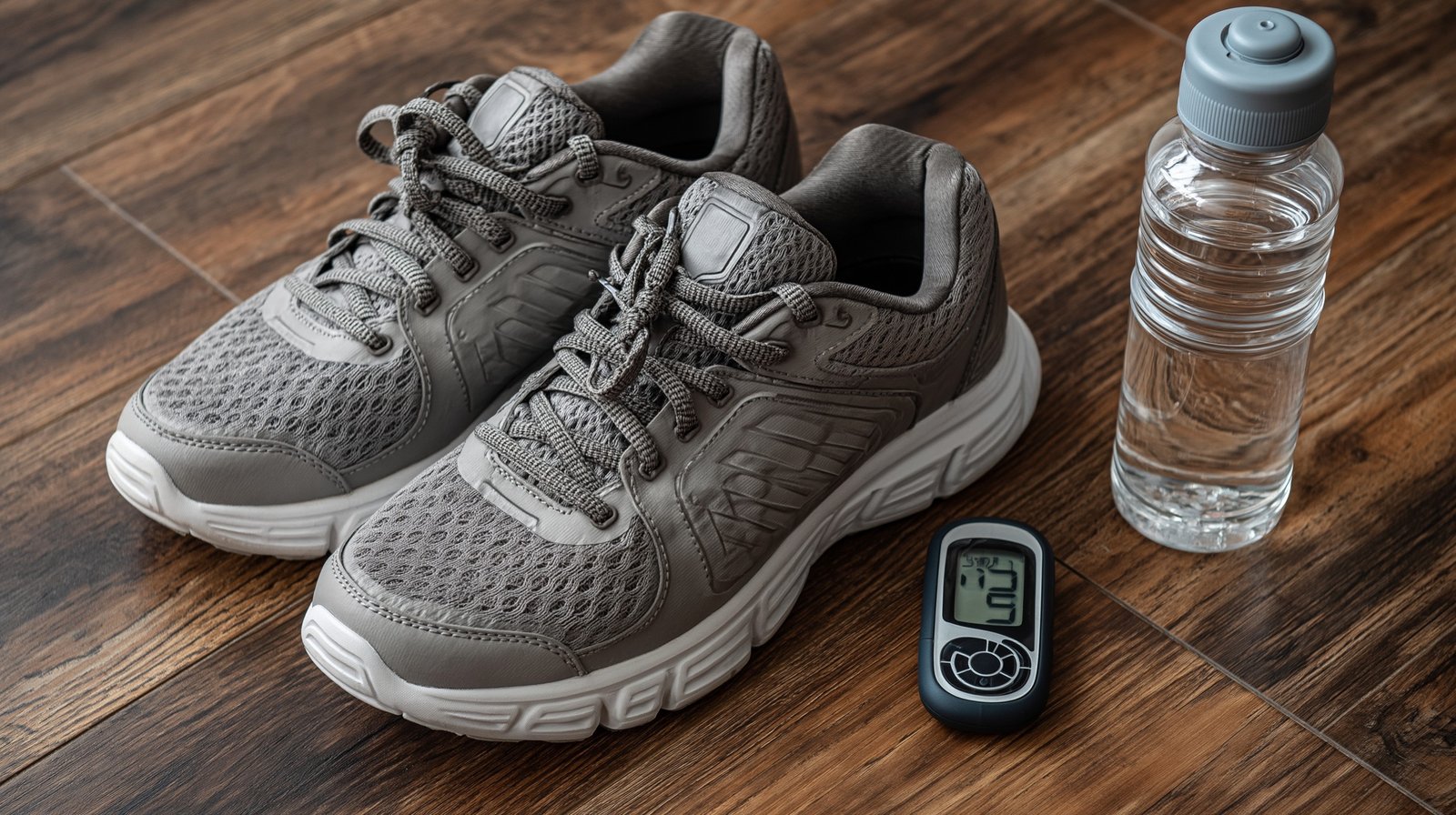
Does walking help knee arthritis when it already hurts? For most adults with mild to moderate osteoarthritis, yes. But there are a few things worth knowing before you start, because how you walk matters as much as whether you walk.
Pain during the walk versus pain after. Some discomfort during a walk is normal, particularly in the early weeks. The signal that matters is what happens two to four hours afterward. If your knees feel meaningfully worse in that window, the session was longer or more intense than your joint was ready for. Shorten the next session rather than stopping altogether.
Sharp pain, swelling, or instability are different. These are not the normal discomfort of a joint being asked to work. They are signals to stop and check in with your physician before continuing. Walking through this kind of pain does not build tolerance. It adds load to a joint that is telling you something important.
Footwear matters more than most people expect. Cushioned, supportive sneakers with a firm midsole reduce the impact your knees absorb with each step. Worn-out soles that have compressed visibly are no longer doing that job. If your walking shoes are more than a year old and you walk regularly, they have likely passed their useful life for joint protection.
Surface and pace work together. Softer surfaces reduce impact. A conversational pace keeps the load manageable. Neither factor matters as much as session length in the early weeks, but both help when you are trying to find a rhythm that your knees respond well to.
Nothing in this section replaces a conversation with your physician, particularly if you are managing a specific diagnosis, recent surgery, or significant swelling.
Wrap-up: Does walking help knee arthritis?
Yes. And the evidence behind that answer is more substantial than most adults with knee arthritis have ever been told.
Walking for exercise reduces the odds of developing frequent knee pain by 40% in adults with osteoarthritis (Lo et al., 2022). It nourishes cartilage that has no other way to receive nutrients. It strengthens the muscles that protect the joint from the load it was never meant to absorb alone. And it does this without equipment, without a gym, and without pushing through pain that signals something is wrong.
Walking is one piece of a larger picture. The complete guide to knee pain relief for adults over 55 covers all three pillars together.
Ready to Find Out What Your Body Can Do?
It takes less than 3 minutes. No gym. No equipment. Just a simple test that shows you if your body can do more than it’s been telling you.
Ready to Find Out What Your Body Can Do?
It takes less than 3 minutes. No gym. No equipment. Just a simple test that shows you if your body can do more than it’s been telling you.
M3 is a behavioral wellness coaching program. It is not medical treatment and does not replace advice from your physician. Consult your doctor before beginning any new movement or nutrition program.
Frequently Asked Questions
Does walking help knee arthritis or make it worse?
The short answer to whether walking helps knee arthritis is yes, and the evidence is specific. A study of more than 1,200 adults with knee osteoarthritis found that those who walked for exercise had 40% lower odds of developing frequent knee pain compared to those who did not walk (Lo et al., 2022). The same study found that walkers showed less structural joint damage over time. Walking does not wear the joint out faster. Used consistently and at the right level, it supports the repair process that the joint depends on.
How much walking is good for knee arthritis?
Consistency matters more than duration, especially at the start. Begin with five to ten minutes at a comfortable pace and build gradually based on how your knees respond in the two to four hours after each session. Three to five sessions per week is a reasonable target. The research supports accumulated walking over time, not daily distance goals.
Is it okay to walk when my knees hurt from arthritis?
Mild discomfort during a walk is normal and does not mean you are causing damage. The signal to pay attention to is how your knees feel two to four hours afterward. Sharp pain, swelling, or instability during a walk are different and warrant a conversation with your physician before continuing. If you are uncertain whether walking is appropriate for your specific situation, start there.
What type of walking is best for knee arthritis?
Flat surfaces, a conversational pace, and supportive footwear create the conditions where walking is most likely to help knee arthritis without adding unnecessary load to the joint. Shorter sessions done consistently outperform occasional long walks. The goal in the early weeks is to find a pattern your knees respond well to, then build from there.
How long does it take for walking to help knee arthritis?
The Lo et al. (2022) study tracked participants over 48 months and found meaningful differences between walkers and non-walkers in both pain and structural outcomes. In practice, most adults notice that their knees stop paying for their walks in the days or weeks after starting a consistent pattern, before they notice any reduction in baseline discomfort. Consistency over weeks and months is what produces lasting change.
Is cycling or swimming better than walking for knee arthritis?
Does walking help knee arthritis more than cycling or swimming? The evidence base for walking is strong and specific. The research base for walking and knee osteoarthritis is strong and specific (Lo et al., 2022; Fransen et al., 2015). Walking also builds the functional capability most adults with knee arthritis actually want back. If walking is accessible and your knees tolerate it, it is worth prioritizing.
References
Fransen, M., McConnell, S., Harmer, A. R., Van der Esch, M., Simic, M., & Bennell, K. L. (2015). Exercise for osteoarthritis of the knee: A Cochrane systematic review. British Journal of Sports Medicine, 49(24), 1554–1557. https://doi.org/10.1136/bjsports-2015-095424
Keogh, A., Toomey, C., Matthews, J., & Hurley, D. A. (2024). Guideline-based exercise management for hip and knee osteoarthritis: a cross-sectional comparison of healthcare professional and patient beliefs in Ireland. BMJ Open, 14(1), e079019. https://doi.org/10.1136/bmjopen-2023-079019
Lo, G. H., Vinod, S., Richard, M. J., Harkey, M. S., McAlindon, T. E., Kriska, A. M., Rockette-Wagner, B., Eaton, C. B., Hochberg, M. C., Jackson, R. D., Kwoh, C. K., Nevitt, M. C., & Driban, J. B. (2022). Association between walking for exercise and symptomatic and structural progression in individuals with knee osteoarthritis: Data from the Osteoarthritis Initiative Cohort. Arthritis & Rheumatology, 74(10), 1660–1667. https://doi.org/10.1002/art.42241
Roddy, E., Zhang, W., & Doherty, M. (2005). Aerobic walking or strengthening exercise for osteoarthritis of the knee: A systematic review. Annals of the Rheumatic Diseases, 64(4), 544–548. https://doi.org/10.1136/ard.2004.028746
Leave a Reply