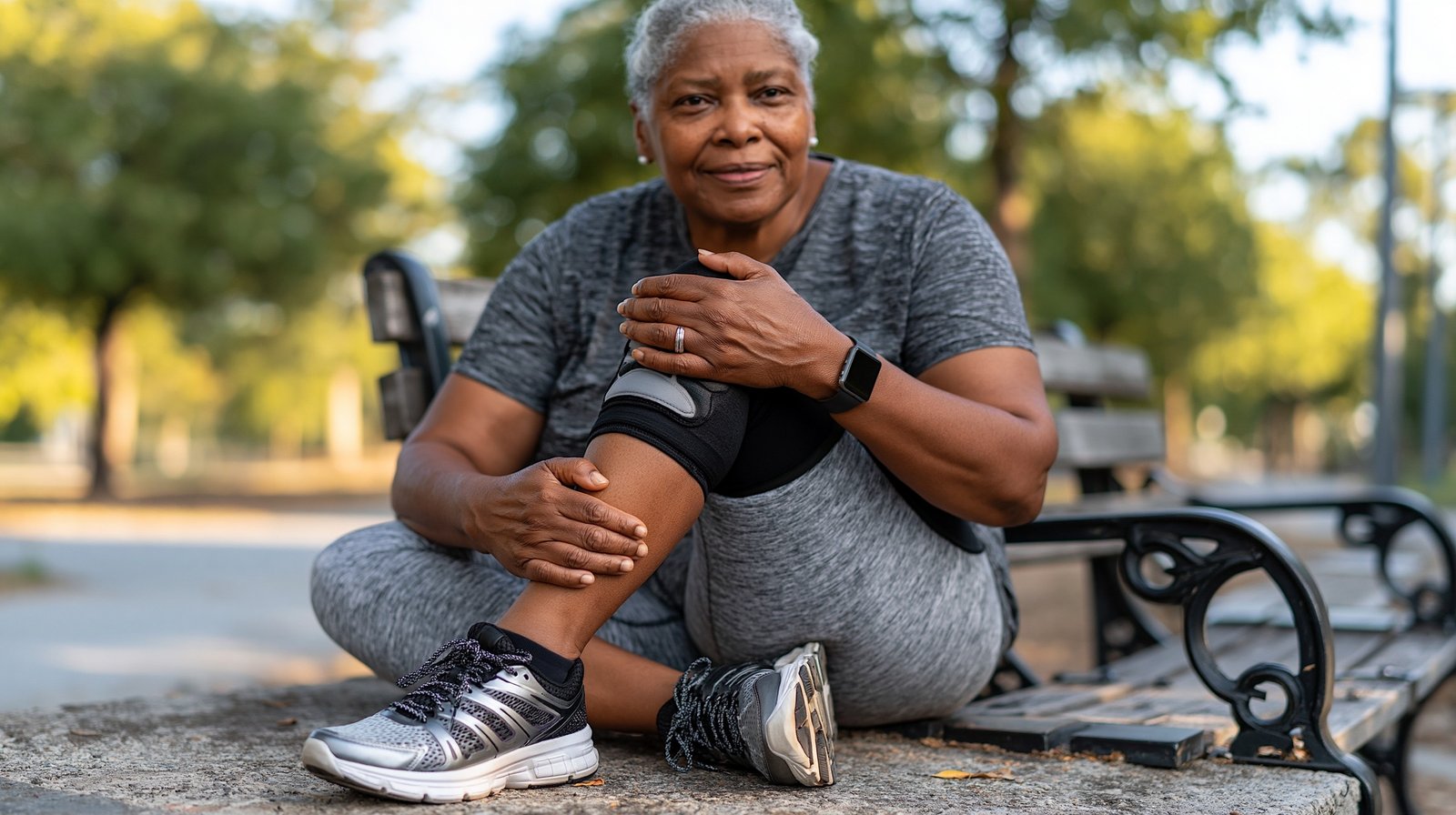
Gloria had been wearing a knee sleeve for three months when we first talked. Her neighbor had recommended it, and she had to admit her knee felt steadier when she had it on. What she could not stop thinking about was whether do knee braces help with knee pain or just make you feel like they do.
It is a fair question. And the research has a clear answer: for adults over 55 with knee osteoarthritis, braces do help. The type you use and how you use it matter as much as whether you wear one at all.
Key Takeaway
In 44 adults with knee OA, a soft brace immediately reduced pain during walking, reduced instability, and improved knee confidence (Cudejko et al., 2017). In a placebo-controlled trial of 149 OA patients over one year, the brace group improved significantly on daily living and activity scores while the placebo group did not (Hjartarson & Toksvig-Larsen, 2018).
This post covers whether do knee braces help with knee pain, which type works for which condition, when a brace helps and when it does not, and what to look for before buying one.
Ready to Find Out What Your Body Can Do?
It takes less than 3 minutes. No gym. No equipment. Just a simple test that shows you if your body can do more than it’s been telling you.
M3 is a behavioral wellness coaching program. It is not medical treatment and does not replace advice from your physician. Consult your doctor before beginning any new movement or nutrition program.
Table of Contents
Do knee braces actually help with knee pain when walking?
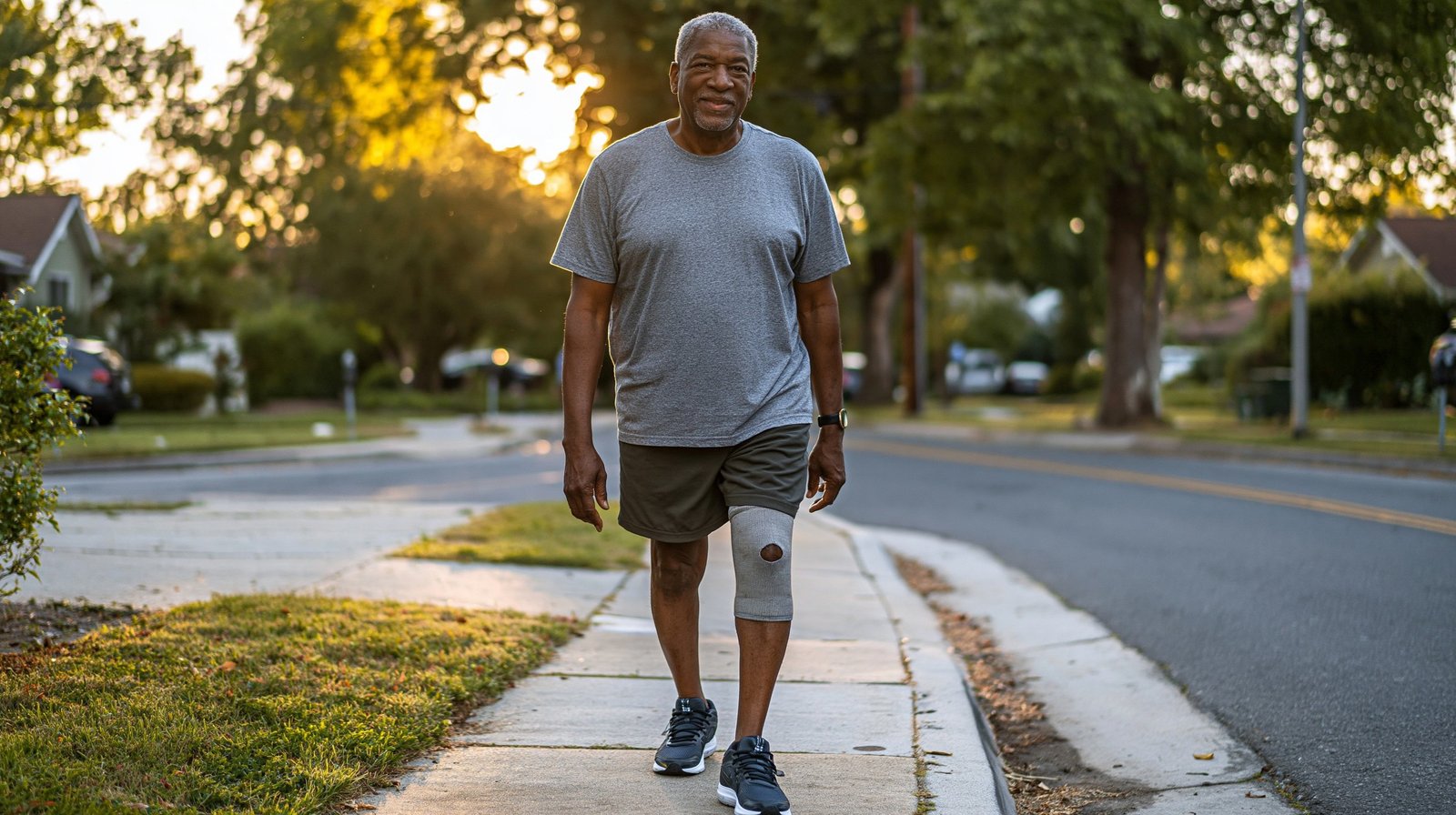
Yes. The evidence is clear on two levels.
In the short term, a soft brace worn during walking significantly reduced pain, reduced self-reported knee instability, and improved confidence in the knee in adults with knee osteoarthritis. The effect showed up immediately, within a single session (Cudejko et al., 2017).
Over the longer term, a placebo-controlled trial followed 149 OA patients for one year. The group wearing an active unloader brace improved significantly on daily living, sports, and recreation scores. The placebo group showed no significant improvement in any score (Hjartarson & Toksvig-Larsen, 2018).
So when adults over 55 ask do knee braces help with knee pain, the honest answer is yes, and the evidence runs from the first time you put one on through at least a full year of use.
What types of knee braces are there, and which one is right for you?
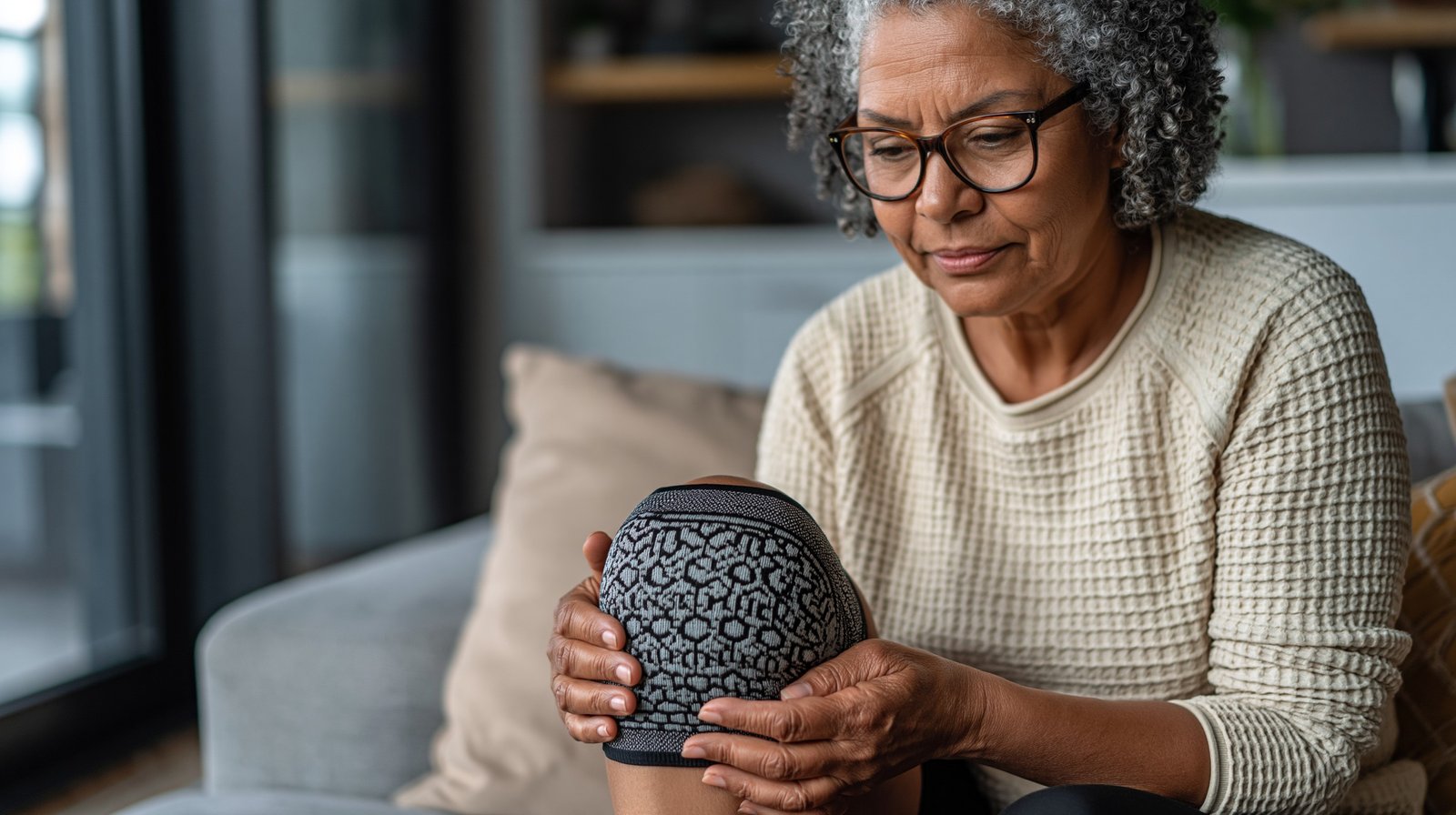
Three types cover most situations adults over 55 will encounter.
A compression sleeve is the most common. It fits over the knee, reduces swelling, and improves the body’s awareness of where the knee is in space. Most adults with general OA-related knee pain start here.
An unloader brace is a more structured option for adults whose OA is worse on one side of the knee. It shifts the load away from the damaged compartment. It is bulkier than a sleeve, but the research on pain reduction is stronger.
A hinged brace adds rigid support on either side of the knee. It is typically used for instability or ligament conditions rather than OA. Most adults over 55 asking do knee braces help with knee pain do not need one unless a clinician recommends it.
If you are considering an unloader or hinged brace, talk to your doctor or physical therapist first. These are prescription-level devices, and the fit matters.
When does a knee brace actually help, and when does it not?
A brace is most useful during an activity that typically causes pain. Walking longer distances. Navigating stairs. Time on your feet. That is when joint load is highest, and support matters most.
What a brace does not do is fix the underlying condition. Cartilage is not regenerating because you wore a sleeve. A brace manages load during movement. That is its job.
One orthopedic surgeon at Mass General Brigham put it plainly: only wear a knee brace if it decreases pain with activity and helps you move better. If it does not do both, it is not the right brace for you.
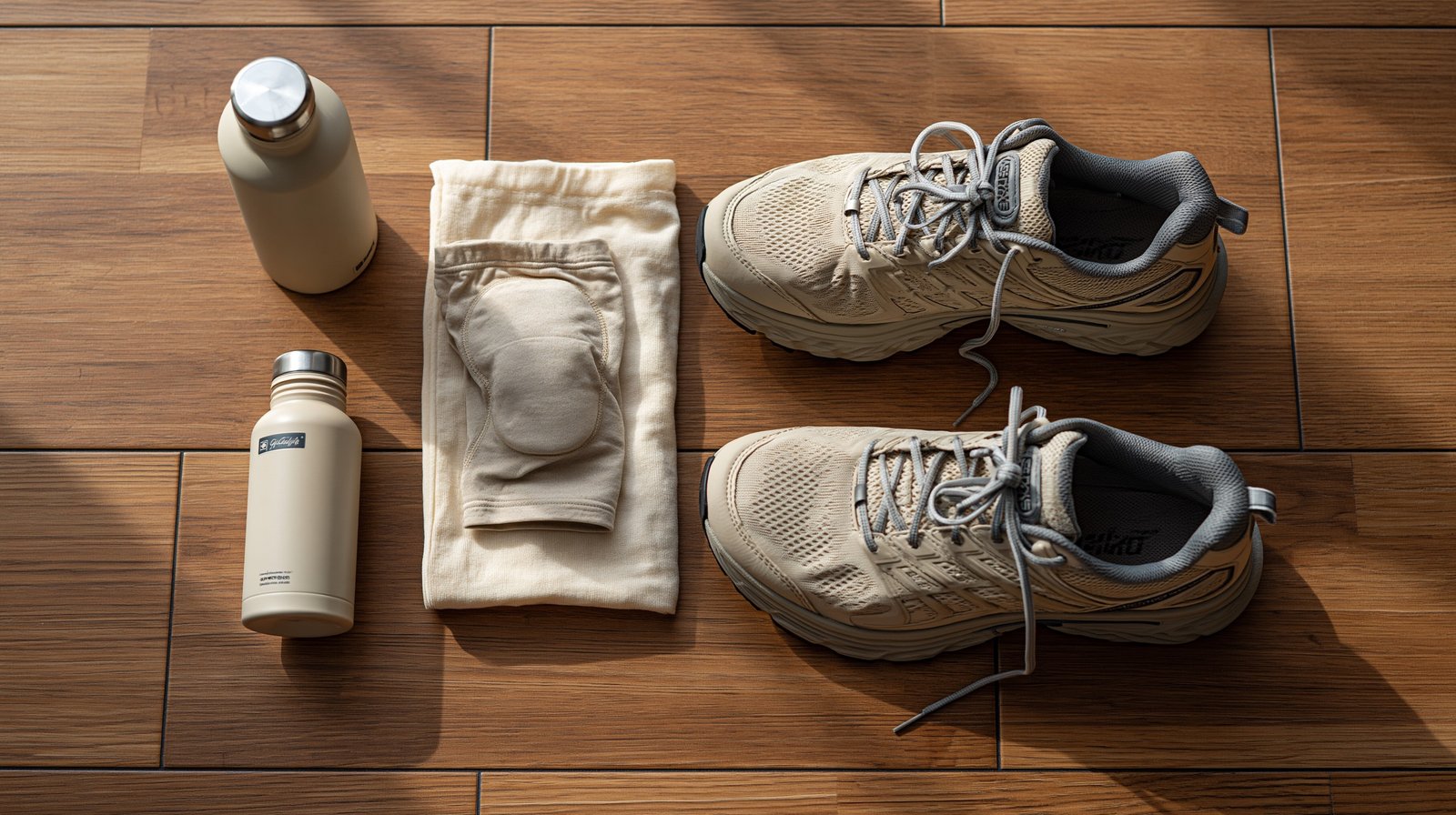
You also do not need to wear it all day. When you are sitting still or sleeping, it is not doing anything productive. Knowing when do knee braces help with knee pain means knowing what footwear you pair them with, too. The two work as a system.
Can a knee brace become a crutch over time?

It can, if you use it instead of moving, rather than to keep moving.
The concern is real. When a brace does the stabilizing work your muscles should be doing, those muscles get less stimulus to strengthen. Relying on a brace without building the surrounding muscle can leave you more dependent on it over time.
Research on 196 adults with knee OA found that combining structured exercise with a knee brace produced significantly better outcomes in pain and function than conventional physiotherapy alone (Dhumale & Shinde, 2025). The brace and the movement worked together. Neither was as effective as both.
The right answer to do knee braces help with knee pain is yes, but only as part of a bigger picture. Use the brace to keep moving. Let the movement build the strength that reduces how much you need it. For adults over 55, morning knee stiffness is often the first sign that the muscles supporting the joint need more work, not more bracing.
What should you look for in a knee brace for walking after 55?

Four things matter more than brand or price.
The first is fit. A compression sleeve should feel snug without restricting circulation. If your fingers go numb or the skin below turns white, it is too tight.
The second is breathability. Walking generates heat. For extended wear, a breathable knit material holds up better than neoprene without causing skin irritation.
The third is the patella design. An open patella design works well for most OA-related knee pain. A closed design offers more general compression. Your condition determines which serves you better.
The fourth is ease of putting it on. Arthritis in the hands is common at 55 and older. A brace that requires significant grip strength to don will not get used.
If you are still unsure whether do knee braces help with knee pain enough to justify buying one, start with a basic compression sleeve and give it three to four weeks of consistent use during walking.
Wrap-up: Do knee braces help with knee pain?
Yes. The research is clear that knee braces reduce pain, improve stability, and build walking confidence in adults with osteoarthritis. The effect shows up immediately and holds over time.
The fuller answer is that the type matters, the timing matters, and what you do alongside it matters most. For most adults over 55 with OA-related knee pain, a compression sleeve is the right starting point. An unloader brace fits better when one side of the knee is more affected. And in every case, movement alongside the brace beats movement instead of it.
Do knee braces help with knee pain is one piece of a larger picture. The complete guide to knee pain relief for adults over 55 covers the full approach.
Ready to Find Out What Your Body Can Do?
It takes less than 3 minutes. No gym. No equipment. Just a simple test that shows you if your body can do more than it’s been telling you.
M3 is a behavioral wellness coaching program. It is not medical treatment and does not replace advice from your physician. Consult your doctor before beginning any new movement or nutrition program.
Frequently Asked Questions
How long should you wear a knee brace each day?
Wear it during activities that typically cause pain, then take it off. Most adults do well with 2 to 4 hours of active wear rather than all day. Constant wear without movement is not productive and can cause skin irritation. That steady daily use is how most adults find out do knee braces help with knee pain in practice.
Should you wear a knee brace to bed?
Generally no. A brace provides support during load-bearing movement. Lying down puts no load on the joint, so the brace offers nothing useful. If nighttime knee pain is the issue, sleep position and pillow placement help more. Do knee braces help with knee pain most during movement, not rest.
Can you wear a knee brace with swollen knees?
A mild compression sleeve can help reduce swelling and is generally safe on a mildly swollen knee. If swelling is significant, sudden, warm to the touch, or accompanied by redness or fever, see a doctor before putting anything compressive on the joint. For most adults, do knee braces help with knee pain during everyday activity is the right question to answer first.
Do knee braces help with climbing stairs?
Yes. Stair climbing places a higher load on the knee than level walking, which is when a brace earns its keep. A compression sleeve improves proprioception and reduces instability on stairs. For adults over 55 who find stairs consistently trigger knee pain, this is one of the strongest use cases for wearing one.
Is a tighter knee brace better for knee pain?
Not necessarily. Research comparing tight and non-tight soft braces in knee OA patients found no significant difference in pain or instability outcomes. The exception was walking speed, where a tighter fit was marginally faster on a short walk test. A snug fit that stays in place is the goal. Cutting off circulation is counterproductive.
When should you see a doctor before buying a knee brace?
See a doctor first if your knee pain started suddenly after a fall, if the knee is significantly swollen or unstable, or if you have had recent surgery. A compression sleeve for general walking discomfort is low-risk for most adults. Prescription-level braces need a proper diagnosis before buying. Knowing what is causing the pain is where to start.
References
Cudejko, T., van der Esch, M., van der Leeden, M., van den Noort, J. C., Roorda, L. D., Lems, W., Twisk, J., Steultjens, M., Woodburn, J., Harlaar, J., & Dekker, J. (2017). The immediate effect of a soft knee brace on pain, activity limitations, self-reported knee instability, and self-reported knee confidence in patients with knee osteoarthritis. Arthritis Research & Therapy, 19(1), 260. https://doi.org/10.1186/s13075-017-1456-0
Dhumale, A., & Shinde, S. (2025). Effect of closed kinetic chain exercise with customized knee brace on pain and functional performance in patients with bilateral medial compartment knee osteoarthritis. Cureus, 17(8), e89674. https://doi.org/10.7759/cureus.89674
Hjartarson, H. F., & Toksvig-Larsen, S. (2018). The clinical effect of an unloader brace on patients with osteoarthritis of the knee, a randomized placebo controlled trial with one year follow up. BMC Musculoskeletal Disorders, 19(1), 341. https://doi.org/10.1186/s12891-018-2256-7
Thut, D. C. (n.d.). Knee brace for osteoarthritis: What to look for. Mass General Brigham. Retrieved April 29, 2026, from https://www.massgeneralbrigham.org/en/about/newsroom/articles/knee-brace-for-osteoarthritis-what-to-look-for
Leave a Reply